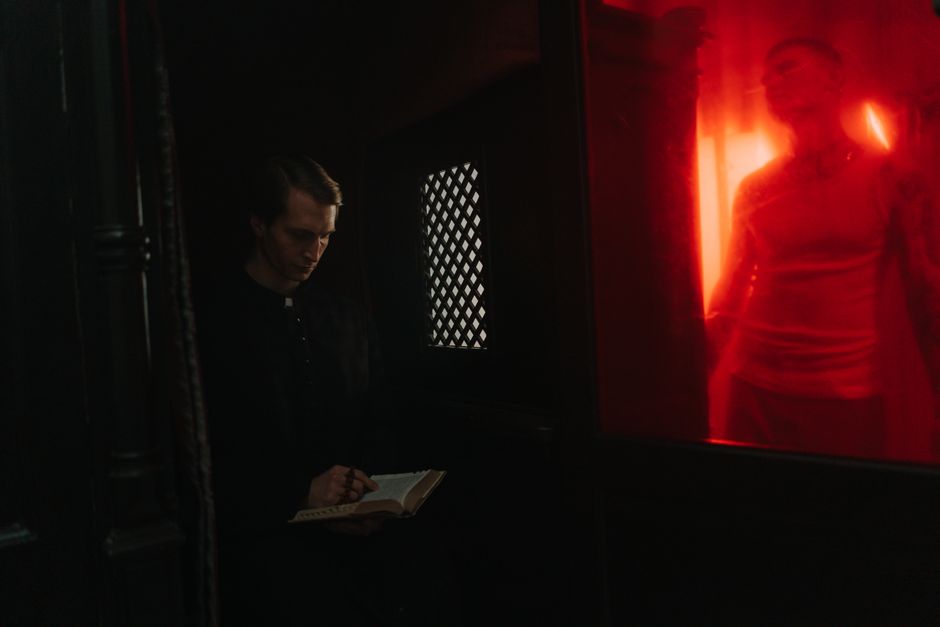
- The Vatican has excommunicated the priesthood of a rebel Catholic faction, exacerbating a decades-long schism.
- Rebel priests affiliated with the Society of St. Pius X remain committed to their traditional teachings and values.
- Followers of the rebel priests have refused to renounce them, citing loyalty to Catholicism’s traditional teachings.
- The Vatican has warned that continued support for the rebels will result in disciplinary action.
- The schism has gained significant support in recent years among conservative Catholics.
The Vatican has taken the extraordinary step of excommunicating the priesthood of a rebel Catholic faction, in a move that has sparked widespread defiance among the group’s followers. The rebel priests, who are affiliated with the Society of St. Pius X, have been at odds with the mainstream Church for decades, and the latest development has only served to deepen the rift. Despite the Vatican’s calls for them to return to the mainstream Church, many of the priests’ followers have refused to renounce them, citing their loyalty to the traditional teachings of the Catholic faith.
Current State of the Schism

The current situation is marked by a high degree of tension and uncertainty, with both sides dug in and refusing to budge. The Vatican has made it clear that it will not tolerate any further dissent from the rebel priests, and has warned that anyone who continues to support them will be subject to disciplinary action. Meanwhile, the rebel priests and their followers remain committed to their cause, and are vowing to continue their fight for what they see as the traditional values of the Catholic Church. The New York Times has reported that the rebel faction has gained significant support in recent years, particularly among conservative Catholics who are disillusioned with the more liberal direction of the mainstream Church.
Historical Context of the Schism

The roots of the current schism can be traced back to the 1960s, when the Catholic Church underwent a period of significant reform and modernization. The Second Vatican Council, which was convened by Pope John XXIII in 1962, introduced a range of changes to the Church’s teachings and practices, including the use of vernacular languages in the liturgy and the establishment of a more collegial approach to Church governance. However, not all Catholics were happy with these changes, and a small but vocal minority began to speak out against what they saw as a betrayal of the Church’s traditional values. The Society of St. Pius X, which was founded by Archbishop Marcel Lefebvre in 1970, emerged as a key player in this movement, and has been at the forefront of the rebel faction’s efforts to resist the mainstream Church’s attempts to bring them back into the fold.
Key Players in the Schism

The key players in the current schism are the rebel priests and their followers, who are motivated by a strong sense of loyalty to the traditional teachings of the Catholic Church. The Vatican, on the other hand, is determined to assert its authority and maintain the unity of the Church. Pope Francis has been a key figure in the Vatican’s efforts to deal with the rebel faction, and has taken a firm but conciliatory approach to the crisis. However, his efforts have been met with resistance from the rebel priests, who see him as a symbol of the mainstream Church’s liberalization and a threat to their traditional way of life. The BBC has reported that the rebel faction has also gained support from some conservative Catholic bishops, who are sympathetic to their cause.
Consequences of the Schism

The consequences of the current schism are far-reaching and potentially devastating for the Catholic Church. The loss of the rebel priests and their followers could result in a significant decline in Church membership, particularly among conservative Catholics who are disillusioned with the mainstream Church’s more liberal direction. The schism could also have a profound impact on the Church’s reputation and credibility, particularly if it is seen as being unable to deal effectively with internal dissent. Furthermore, the schism could have implications for the Church’s relationships with other Christian denominations, and could potentially undermine its efforts to promote ecumenical dialogue and cooperation.
The Bigger Picture
The current schism is not just a internal Church matter, but also reflects broader societal trends and cultural shifts. The rise of conservative and traditionalist movements within the Church is part of a larger reaction against the liberalization of society and the decline of traditional values. The schism also highlights the challenges faced by institutions in adapting to changing social and cultural contexts, while remaining true to their core values and principles. As the Church navigates this complex and sensitive issue, it must balance its need to maintain unity and discipline with its commitment to inclusivity, diversity, and pastoral care.
The outcome of the current schism is far from certain, and it remains to be seen how the Vatican and the rebel priests will ultimately resolve their differences. However, one thing is clear: the future of the Catholic Church hangs in the balance, and the consequences of the current crisis will be felt for generations to come. As the Church moves forward, it must prioritize dialogue, understanding, and reconciliation, and work to build bridges between different factions and communities. Only through a commitment to unity, compassion, and love can the Church hope to overcome its current challenges and emerge stronger and more resilient than ever before.
Source: The New York Times