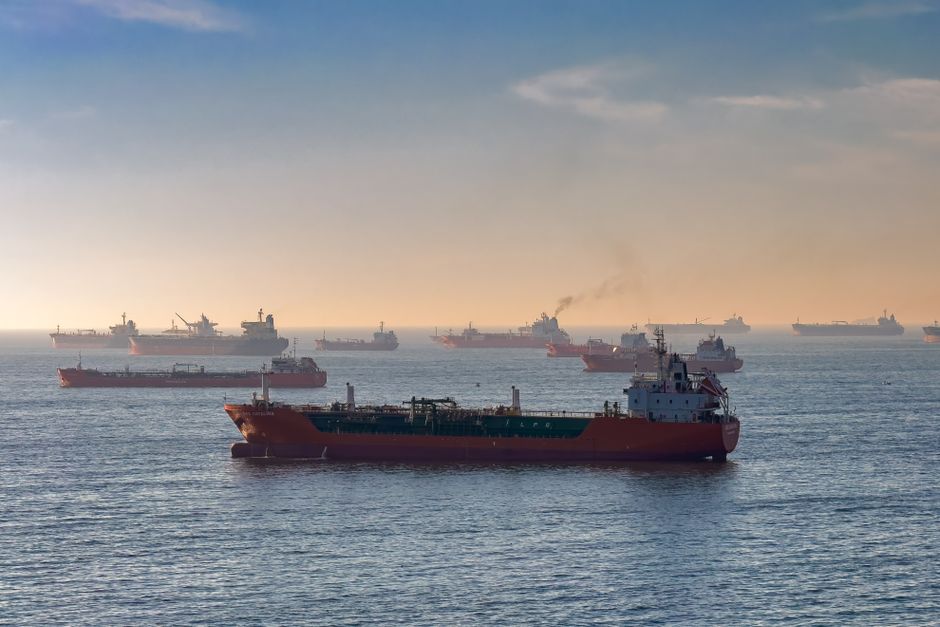
- Iran’s envoy to China has announced that Beijing will receive concessions in the Strait of Hormuz.
- China’s call for unhindered shipping through the strait is driven by its desire for stable oil supplies from Iran.
- The concessions will likely have significant implications for the global energy market and regional balance of power.
- Other regional powers, including the US, are watching the situation closely to determine potential implications for their interests.
- The Strait of Hormuz has a long history of contention, with various powers seeking to control the waterway.
Iran’s envoy to China has announced that Beijing will receive concessions in the Strait of Hormuz, a critical waterway through which a significant portion of the world’s oil passes. This development comes as China, which buys nearly all of Iran’s oil exports, has called for the unhindered flow of shipping through the strait. The concessions are likely to have significant implications for the global energy market and the balance of power in the region.
Current Developments in the Strait of Hormuz

The Strait of Hormuz has long been a point of contention, with Iran and other regional powers seeking to exert control over the waterway. China’s call for the unhindered flow of shipping through the strait is likely driven by its desire to ensure the stable supply of oil from Iran. The concessions announced by Iran’s envoy are expected to facilitate this goal, although the exact nature and scope of the concessions remain unclear. As the situation continues to unfold, it is likely that other regional powers, including the United States, will be watching closely to determine the potential implications for their own interests.
Historical Context of the Strait of Hormuz

The Strait of Hormuz has a long and complex history, with various powers seeking to control the waterway over the centuries. In recent years, tensions have risen as Iran has sought to exert greater control over the strait, while the United States and other regional powers have sought to maintain freedom of navigation. The current situation is further complicated by the fact that China has become an increasingly important player in the region, driven by its growing energy needs and its desire to expand its influence. As a result, the concessions announced by Iran’s envoy can be seen as part of a broader effort by China to secure its interests in the region and ensure the stable supply of oil.
Key Players in the Strait of Hormuz

The situation in the Strait of Hormuz is being shaped by a range of key players, including Iran, China, and the United States. Iran’s envoy to China has played a critical role in announcing the concessions, which are likely to be seen as a significant diplomatic achievement. China’s motivations in seeking the concessions are driven by its desire to ensure the stable supply of oil and to expand its influence in the region. The United States, which has long been a major player in the region, is likely to be watching the situation closely, seeking to determine the potential implications for its own interests and to ensure that freedom of navigation is maintained.
Consequences of the Concessions

The concessions announced by Iran’s envoy are likely to have significant consequences for stakeholders in the region. For China, the concessions will help to ensure the stable supply of oil, which is critical for its growing economy. For Iran, the concessions will provide a significant economic boost, as China is its largest oil customer. However, the concessions may also be seen as a blow to the United States and other regional powers, which have sought to maintain freedom of navigation in the strait. As the situation continues to unfold, it is likely that there will be a range of reactions from stakeholders, reflecting their competing interests and goals.
The Bigger Picture
The concessions announced by Iran’s envoy can be seen as part of a broader trend, in which China is seeking to expand its influence in the region and ensure the stable supply of oil. This trend has significant implications for the global energy market and the balance of power in the region. As China continues to grow in influence, it is likely that other regional powers will be forced to adapt, seeking to maintain their own interests and ensure that their voices are heard. The situation in the Strait of Hormuz is a critical component of this larger trend, and will be watched closely by stakeholders around the world. For more information on the global energy market, see the New York Times or the Reuters for in-depth coverage.
As the situation in the Strait of Hormuz continues to unfold, it is likely that there will be a range of developments, reflecting the competing interests and goals of stakeholders in the region. One key area to watch will be the response of the United States, which has long been a major player in the region. The US has sought to maintain freedom of navigation in the strait, and may seek to counter China’s growing influence. However, the exact nature of the US response remains unclear, and will depend on a range of factors, including the scope and nature of the concessions announced by Iran’s envoy.
Source: Fortune