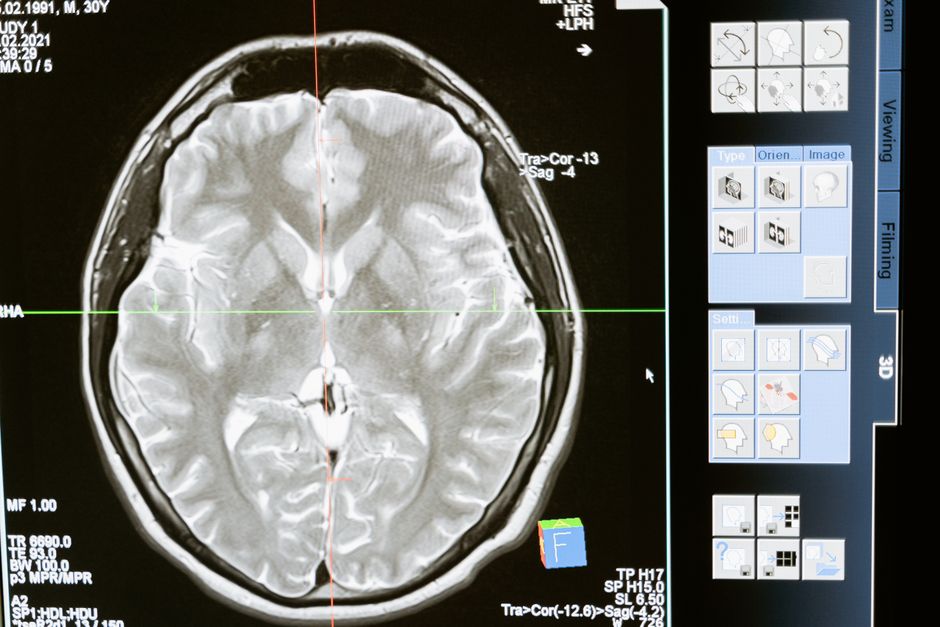
- A new brain study reveals that speech learning relies on processing sounds and sensations rather than motor functions.
- The study challenges traditional views on speech learning, suggesting that auditory and sensory systems play a crucial role.
- Speech therapy should focus on developing sound processing skills, not just mouth and face movements.
- The study’s findings have the potential to improve future brain-based communication technologies.
- Advanced neuroimaging techniques made this breakthrough possible, shedding new light on speech development mechanisms.
Researchers at a leading university have made a significant breakthrough in understanding how the brain learns and remembers speech, challenging traditional views on the subject. According to a new study published in a reputable scientific journal, speech learning relies more on the brain’s ability to process sounds and sensations than on the areas that control mouth and face movements. This discovery, made possible by advanced neuroimaging techniques, has the potential to reshape speech therapy and improve future brain-based communication technologies.
The Neuroscience of Speech Learning

The study’s findings are particularly significant because they shed new light on the complex neural mechanisms that underlie speech development. For decades, scientists have believed that speech learning is primarily controlled by the areas of the brain responsible for motor functions, such as the movement of the mouth and face. However, this new research suggests that the brain’s auditory and sensory systems play a much more critical role in speech processing than previously thought. As a result, the study’s authors argue that speech therapy should focus more on helping patients develop their ability to process and distinguish between different sounds, rather than simply practicing mouth and face movements.
Key Findings and Implications

The researchers used functional magnetic resonance imaging (fMRI) to study the brain activity of participants as they learned and remembered new speech patterns. The results showed that the brain’s auditory cortex, which is responsible for processing sounds, was much more active during speech learning than the motor cortex, which controls movement. This finding has important implications for the development of new speech therapies, as well as for the creation of more sophisticated brain-based communication technologies, such as brain-computer interfaces. By understanding how the brain processes speech, scientists can design more effective treatments for speech disorders and create new technologies that can help people communicate more easily.
Analysis and Expert Insights

The study’s findings are supported by a growing body of research that highlights the importance of the brain’s auditory and sensory systems in speech processing. According to experts in the field, the brain’s ability to process and distinguish between different sounds is critical for speech development, and impairments in this ability can lead to a range of speech disorders. The study’s authors argue that their findings have significant implications for the development of new treatments for these disorders, and could lead to the creation of more effective speech therapies. As the field of neuroscience continues to evolve, it is likely that we will see further breakthroughs in our understanding of the complex neural mechanisms that underlie speech development.
Broader Implications and Future Directions

The study’s findings have significant implications for a wide range of fields, from speech therapy to neuroscience and computer science. By understanding how the brain processes speech, scientists can design more effective treatments for speech disorders, create new technologies that can help people communicate more easily, and develop more sophisticated brain-based communication systems. As the study’s authors note, the potential applications of this research are vast, and could lead to significant improvements in the lives of people with speech disorders. Furthermore, the study’s findings highlight the importance of continued investment in neuroscience research, as this field holds the key to unlocking many of the secrets of the human brain.
Expert Perspectives
Experts in the field have welcomed the study’s findings, noting that they have significant implications for the development of new speech therapies and brain-based communication technologies. According to one expert, the study’s findings highlight the importance of taking a more nuanced approach to speech development, one that takes into account the complex interplay between the brain’s auditory, sensory, and motor systems. Another expert noted that the study’s findings have significant implications for the treatment of speech disorders, and could lead to the development of more effective therapies that target the brain’s auditory and sensory systems.
As researchers continue to explore the complex neural mechanisms that underlie speech development, it is likely that we will see further breakthroughs in our understanding of this critical aspect of human communication. One key question that remains to be answered is how the brain’s auditory and sensory systems interact with the motor systems to produce speech, and how this interaction can be harnessed to develop more effective speech therapies. As scientists continue to investigate this question, it is likely that we will see significant advances in our understanding of speech development, and the development of new technologies that can help people communicate more easily.
Source: ScienceDaily