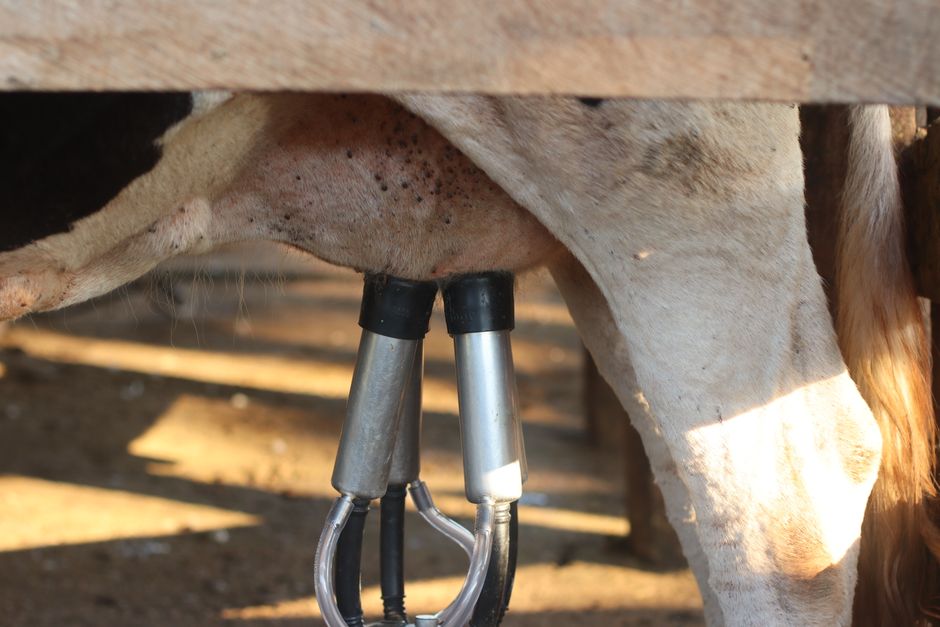
- The H5N1 bird flu virus targets the udders of dairy cows due to a high concentration of preferred receptors in mammary tissue.
- This unique infection pattern has significant implications for understanding and predicting future bird flu outbreaks.
- Researchers have solved the puzzle of the virus’s unusual behavior in dairy cows by studying the receptors that allow it to enter host cells.
- The discovery sheds new light on the complex interactions between the virus and its host in dairy cows.
- Understanding this behavior could lead to more effective strategies for preventing and treating H5N1 infections in dairy cows.
Why does the H5N1 bird flu virus target the udders of dairy cows instead of their lungs? Researchers have finally solved this puzzle, discovering that the virus’s preferred receptors are concentrated in mammary tissue, leading to a unique infection pattern. This breakthrough could have significant implications for understanding and predicting future bird flu outbreaks, making it a crucial development in the field of infectious diseases.
Uncovering the Mystery of H5N1’s Unusual Behavior

The H5N1 bird flu virus has been a concern for both human and animal health, with its ability to jump between species and cause severe illness. However, its behavior in dairy cows has been particularly puzzling, with the virus attacking the udders instead of the lungs, where it typically resides in other animals. By studying the receptors that the virus uses to enter host cells, scientists have found that these receptors are more abundant in mammary tissue, providing a clear explanation for this unusual behavior. This discovery sheds new light on the complex interactions between the virus and its host, and could help researchers develop more effective strategies for preventing and treating H5N1 infections.
Supporting Evidence from Scientific Studies

Studies have consistently shown that the H5N1 virus is capable of infecting a wide range of hosts, from birds to mammals. However, the reasons behind its unique behavior in dairy cows have remained elusive until now. According to research published in Science Daily, the concentration of preferred receptors in mammary tissue is the key factor driving the virus’s unusual behavior. This finding is supported by data from previous studies, which have demonstrated the importance of receptor distribution in determining the tropism of influenza viruses. By understanding the molecular mechanisms underlying H5N1’s behavior, scientists can better predict and prepare for potential outbreaks.
Counter-Perspectives and Limitations

While the discovery of the H5N1 virus’s preferred receptors in mammary tissue is a significant breakthrough, it is not without its limitations and potential counter-perspectives. Some scientists may argue that the study’s findings are specific to dairy cows and may not be applicable to other species or contexts. Additionally, the complexity of the virus-host interaction means that there may be other factors at play that have not yet been fully understood. However, by acknowledging these potential limitations and continuing to investigate the intricacies of H5N1’s behavior, researchers can refine their understanding and develop more effective strategies for mitigating the risks associated with this virus.
Real-World Impact and Implications

The discovery of the H5N1 virus’s preferred receptors in mammary tissue has significant implications for the prevention and control of bird flu outbreaks. By understanding the unique behavior of the virus in dairy cows, scientists can develop more targeted surveillance and monitoring strategies, helping to identify potential outbreaks before they spread widely. This, in turn, could reduce the risk of transmission to humans and other animals, ultimately saving lives and preventing economic losses. As the World Health Organization continues to monitor the situation, this breakthrough could prove to be a crucial development in the global effort to combat infectious diseases.
What This Means For You
The discovery of the H5N1 virus’s preferred receptors in mammary tissue is a significant breakthrough that could have far-reaching implications for public health and animal welfare. As researchers continue to study and understand the behavior of this virus, individuals can take steps to reduce their risk of infection, such as practicing good hygiene and avoiding contact with infected animals. By staying informed and up-to-date on the latest developments, people can play a crucial role in preventing the spread of H5N1 and other infectious diseases.
As scientists continue to unravel the mysteries of the H5N1 bird flu virus, what other secrets will they uncover, and how will this knowledge be used to protect human and animal health? The answer to this question will depend on ongoing research and collaboration between experts in the field, but one thing is clear: the discovery of the virus’s preferred receptors in mammary tissue is a major step forward in the fight against infectious diseases, and its implications will be felt for years to come.
Source: ScienceDaily