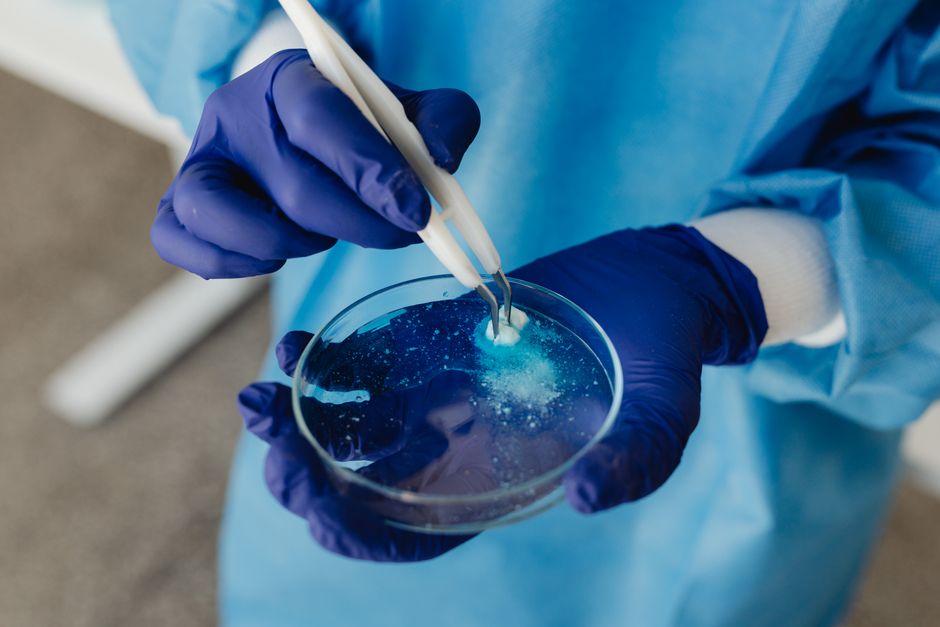
- KAIST researchers developed a spray-on powder that stops life-threatening bleeding in 1 second.
- The innovative technology is designed to work on deep and irregular injuries, where conventional products struggle.
- The powder remains effective after years of storage in harsh conditions, making it a reliable solution for emergencies.
- The technology was originally created for battlefields but has far-reaching implications for emergency care.
- The spray-on powder has the potential to transform emergency care in various settings, including ambulances and hospitals.
Researchers at the Korea Advanced Institute of Science and Technology (KAIST) have developed a groundbreaking spray-on powder that can stop life-threatening bleeding in approximately one second. This innovative technology has the potential to revolutionize emergency care in various settings, including battlefields, disaster zones, ambulances, and hospitals. The powder’s ability to instantly form a strong gel over wounds makes it an invaluable tool for saving lives.
How the Powder Works

According to the researchers, the spray-on powder is designed to work on deep and irregular injuries where conventional hemostatic products often struggle. The powder remains effective even after years of storage in harsh conditions, making it a reliable solution for emergency situations. As noted in the study published on Science Daily, the technology was originally created for the battlefield but has far-reaching implications for emergency care.
Response and Potential Applications

The development of this spray-on powder has significant implications for emergency responders, medical professionals, and individuals in need of urgent care. The affected parties, including emergency medical services and hospitals, are likely to welcome this innovation as a valuable addition to their life-saving toolkit. With its potential to transform emergency care, the powder is expected to have a profound impact on the medical community and beyond.
Where This Stands Now

The current situation suggests that the spray-on powder is poised to become a game-changer in emergency medicine. As researchers continue to refine the technology and explore its applications, the medical community can expect significant advancements in the coming years. For now, the focus will be on further testing, regulatory approvals, and eventual deployment of the powder in various emergency care settings, including global health organizations and emergency response systems.
Source: ScienceDaily