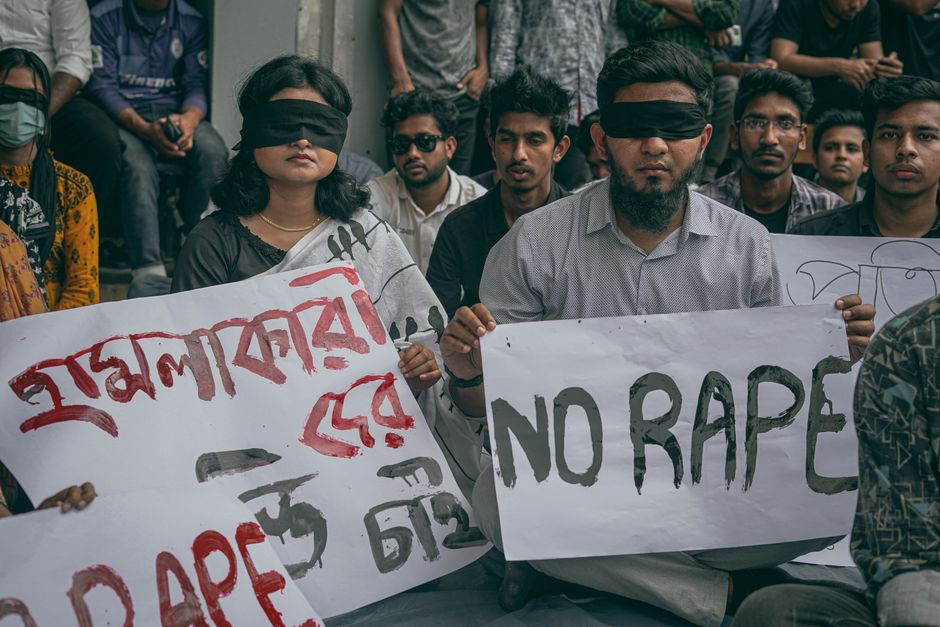
- Drug-facilitated rape survivors are launching an international support group to share experiences and push for tighter laws against online sharing of assault images.
- The UK has seen a significant number of people, including about 80, join the support group, highlighting the demand for such services.
- The lack of support for drug-facilitated rape survivors often leaves them feeling isolated and vulnerable.
- Increased awareness and understanding of this issue are crucial to preventing such crimes and supporting victims.
- The support group aims to raise awareness and promote change by providing a safe space for survivors to share their experiences.
Zoe Watts and Amanda Stanhope, two women who were drugged and raped by their partners while unconscious, have launched an international support group for survivors of drug-facilitated rape, with hundreds of people, including about 80 in the UK, coming forward to join. The group aims to provide a safe space for victims to share their experiences and call for tighter laws to stop men sharing images and videos of sexual assaults and rape online. This development highlights the need for increased support and protection for survivors of drug-facilitated rape, a crime that often leaves victims feeling isolated and vulnerable.
Background and Context

The issue of drug-facilitated rape has been a growing concern in recent years, with many cases going unreported due to the traumatic nature of the crime and the lack of support available to victims. Watts and Stanhope’s experiences are a stark reminder of the need for greater awareness and understanding of this issue, as well as the importance of providing survivors with access to resources and support. The launch of the support group is a crucial step towards addressing this need, and its rapid growth is a testament to the demand for such a service. As the group continues to expand, it is likely to play an increasingly important role in raising awareness and promoting change.
Key Details and Developments

Watts and Stanhope’s decision to launch the support group was motivated by their own experiences of being repeatedly assaulted by their partners while unconscious. The group has attracted hundreds of members from around the world, including about 80 in the UK, who have come forward to share their stories and seek support. The group’s founders are now calling for tighter laws to prevent the sharing of images and videos of sexual assaults and rape online, a practice that can cause further trauma and distress for victims. This call to action highlights the need for policymakers to take a more proactive approach to addressing the issue of drug-facilitated rape and supporting survivors.
Analysis and Implications

The launch of the support group and the response it has received have significant implications for our understanding of drug-facilitated rape and the support needs of survivors. The fact that hundreds of people have come forward to join the group suggests that there is a significant demand for support and resources, and that many survivors are struggling to cope with the aftermath of their experiences. Furthermore, the group’s call for tighter laws to prevent the sharing of images and videos of sexual assaults and rape online highlights the need for a more comprehensive approach to addressing this issue. As reported by the Guardian, this is an issue that requires urgent attention and action.
Impact and Consequences

The impact of drug-facilitated rape on survivors can be severe and long-lasting, with many experiencing anxiety, depression, and post-traumatic stress disorder (PTSD). The launch of the support group is a crucial step towards addressing this issue, as it provides a safe space for survivors to share their experiences and connect with others who have gone through similar traumas. However, more needs to be done to support survivors and prevent further cases of drug-facilitated rape. This includes increasing awareness and education, improving support services, and strengthening laws and policies to protect victims and hold perpetrators accountable.
Expert Perspectives
Experts in the field of sexual violence and support services have welcomed the launch of the support group, highlighting the need for greater awareness and understanding of drug-facilitated rape. According to the World Health Organization, sexual violence is a major public health problem that affects millions of people worldwide, and drug-facilitated rape is a significant component of this issue. The launch of the support group is a positive step towards addressing this problem, but more needs to be done to prevent sexual violence and support survivors.
As the support group continues to grow and evolve, it will be important to monitor its impact and assess its effectiveness in supporting survivors of drug-facilitated rape. This will involve ongoing evaluation and research, as well as collaboration with experts and policymakers to ensure that the group’s work is informed by the latest evidence and best practices. By working together, it is possible to create a more supportive and protective environment for survivors of drug-facilitated rape, and to reduce the incidence of this devastating crime.
Source: The Guardian