- The World Health Organization (WHO) has declared the Hantavirus outbreak linked to a ship over with no new cases since May 25.
- The Hantavirus outbreak highlights the importance of global health security and the need for robust surveillance and response systems.
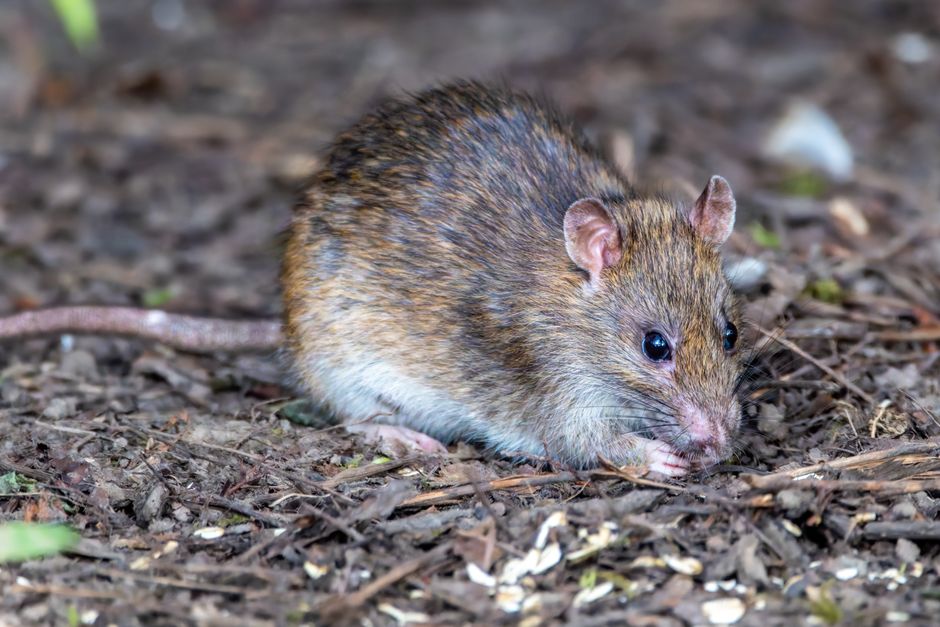
- Hantavirus is a rare but potentially deadly disease transmitted to humans through contact with infected rodents or their droppings.
- The WHO’s swift response and coordination with national health authorities were instrumental in bringing the outbreak under control.
- The outbreak emphasizes the importance of monitoring and containing outbreaks promptly to prevent further spread.
The World Health Organization (WHO) has declared the Hantavirus outbreak linked to a ship over, with no further cases reported since May 25. According to the WHO’s director general, the outbreak has been brought under control, and the global health community can breathe a sigh of relief. The Hantavirus outbreak, which was first reported in May, had raised concerns among health experts and the general public due to its potential to spread quickly.
Background and Significance

The Hantavirus outbreak linked to the ship is a significant development in the global health landscape. Hantavirus is a rare but potentially deadly disease that can be transmitted to humans through contact with infected rodents or their droppings. The fact that the outbreak was linked to a ship highlights the importance of global health security and the need for robust surveillance and response systems to detect and contain outbreaks. The WHO’s swift response and coordination with national health authorities have been instrumental in bringing the outbreak under control.
Key Details of the Outbreak

According to the WHO, the Hantavirus outbreak was first reported on a ship, and subsequent investigations revealed that the virus had been transmitted to humans through contact with infected rodents on board. The WHO worked closely with national health authorities to identify and isolate cases, and implement control measures to prevent further spread. The organization’s director general has confirmed that no new cases have been reported since May 25, indicating that the outbreak has been successfully contained. The WHO’s efforts have been supported by international partners, including the US Centers for Disease Control and Prevention (CDC).
Analysis and Implications

The Hantavirus outbreak linked to the ship has significant implications for global health security. The fact that the outbreak was detected and contained quickly highlights the importance of robust surveillance and response systems. However, it also underscores the need for continued vigilance and investment in global health infrastructure. According to experts, the risk of Hantavirus transmission is still present, particularly in areas where the virus is endemic. The WHO and national health authorities must continue to monitor the situation closely and take proactive measures to prevent future outbreaks. For more information on Hantavirus, visit the WHO website.
Impact and Affected Communities

The Hantavirus outbreak linked to the ship has affected not only the individuals who were infected but also the broader community. The outbreak has raised concerns among the general public and has highlighted the need for increased awareness and education about the risks of Hantavirus transmission. The WHO and national health authorities must work together to develop and implement effective communication strategies to inform the public about the risks and prevention measures. This includes providing information on Hantavirus symptoms and prevention.
Expert Perspectives
Experts in the field of global health have welcomed the WHO’s announcement, citing it as a significant achievement in the fight against infectious diseases. However, some experts have also cautioned that the risk of Hantavirus transmission is still present and that continued vigilance is necessary to prevent future outbreaks. According to Dr. Jennifer Legstrom, a leading expert in infectious diseases, “the WHO’s efforts to contain the outbreak are commendable, but we must not let our guard down. We need to continue to invest in global health infrastructure and surveillance systems to detect and respond to outbreaks quickly and effectively.”
Looking ahead, the global health community must remain vigilant and continue to monitor the situation closely. The WHO and national health authorities must work together to develop and implement effective strategies to prevent future outbreaks and to address the root causes of Hantavirus transmission. As the world becomes increasingly interconnected, the risk of infectious disease transmission will only continue to grow, making it essential to invest in global health security and infrastructure. For the latest updates on global health issues, visit BBC News.
Source: BBC