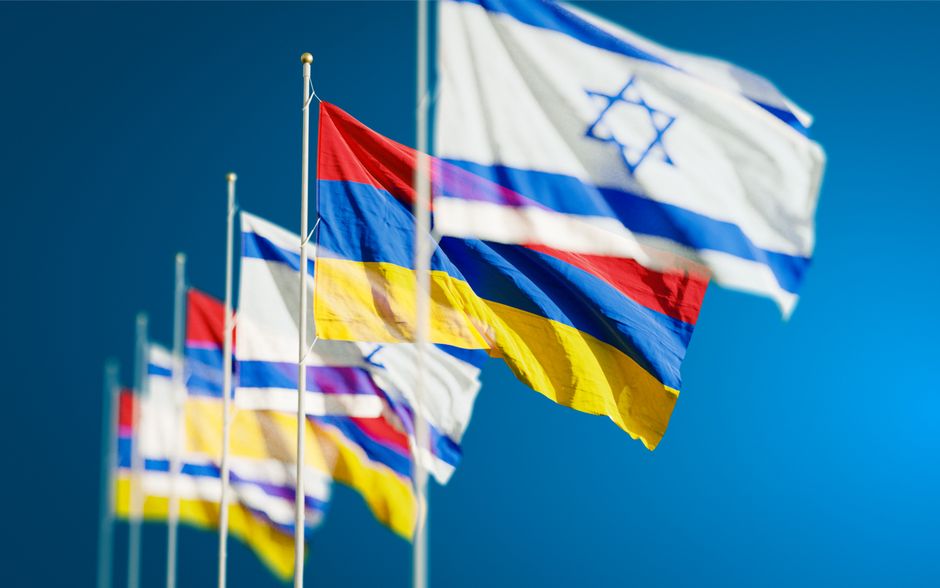
- The US and Israel have signed a historic deal for a permanent embassy in West Jerusalem, sparking controversy and debate in the region.
- The $1 lease agreement marks a significant shift in US policy, moving the embassy from Tel Aviv to a disputed area claimed by both Israelis and Palestinians.
- The embassy deal reaffirms the US’s commitment to Israel’s security and sovereignty, solidifying its relationship with the country.
- The move underscores the strong diplomatic ties between the US and Israel, with Israel being one of the US’s closest allies in the Middle East.
- The embassy deal has far-reaching implications for the Middle East peace process and US-Israel relations, making it a critical issue to understand.
The United States and Israel have signed a historic deal allocating land for a permanent US embassy in West Jerusalem, a move that has sparked controversy and debate in the region. The $1 lease agreement marks a significant shift in US policy, as the embassy will be located in a disputed area claimed by both Israelis and Palestinians. This development has far-reaching implications for the Middle East peace process and US-Israel relations, making it a critical issue for readers to understand now.
What Does the Embassy Deal Mean for US-Israel Relations?

The embassy deal is a direct answer to the question of how the US plans to solidify its relationship with Israel. By signing the lease, the US is reaffirming its commitment to Israel’s security and sovereignty, which has been a cornerstone of US foreign policy in the region. The deal also underscores the strong diplomatic ties between the two nations, with Israel being one of the US’s closest allies in the Middle East. This move is seen as a significant gesture of support for Israel, which has been facing increased pressure from the international community over its settlement policies and treatment of Palestinians.
Supporting Evidence and Reactions

According to Al Jazeera, the lease agreement has been met with widespread criticism from Palestinian leaders, who view the move as a betrayal of their claims to East Jerusalem. The Palestinian Authority has stated that the deal undermines the prospects for a two-state solution and reinforces Israel’s occupation of Palestinian territories. In contrast, Israeli officials have hailed the agreement as a major victory, with Prime Minister Benjamin Netanyahu praising the US for its unwavering support. The deal has also been backed by US lawmakers, who see it as a crucial step in strengthening the US-Israel alliance.
Counter-Perspectives and Controversies

Despite the fanfare surrounding the embassy deal, there are many who oppose the move, citing concerns over its impact on the peace process and the rights of Palestinians. Critics argue that the US is effectively recognizing Israel’s sovereignty over disputed territories, which could embolden Israeli settlement expansion and further marginalize Palestinian communities. Others have raised questions about the legality of the lease agreement, pointing out that it may violate international law and UN resolutions on the status of Jerusalem. These counter-perspectives highlight the complexities and challenges surrounding the embassy deal, which will likely continue to be a source of controversy in the months and years to come.
Real-World Impact and Consequences

The embassy deal will have significant consequences for the region, particularly in terms of the peace process and US credibility. The move is likely to exacerbate tensions between Israelis and Palestinians, making it even more difficult to achieve a lasting peace agreement. Furthermore, the deal may damage US relations with other countries in the region, who may view the move as a betrayal of Arab and Muslim interests. As noted by The New York Times, the embassy deal is a stark reminder of the challenges facing the Middle East peace process, which has been stalled for years due to disagreements over borders, settlements, and Jerusalem’s status.
What This Means For You
The embassy deal has important implications for readers, particularly those interested in US foreign policy and the Middle East peace process. As the US continues to navigate the complex web of alliances and rivalries in the region, it is essential to understand the significance of the embassy deal and its potential consequences. By staying informed about these developments, readers can better appreciate the nuances of US-Israel relations and the challenges facing the peace process, which will be critical in shaping the future of the Middle East.
As the situation continues to unfold, readers may wonder what the future holds for the US embassy in West Jerusalem and how it will impact the broader region. Will the embassy deal mark a new era of cooperation between the US and Israel, or will it exacerbate existing tensions and conflicts? These are questions that will be answered in the months and years to come, making it essential to stay engaged and informed about this critical issue.
Source: Al Jazeera