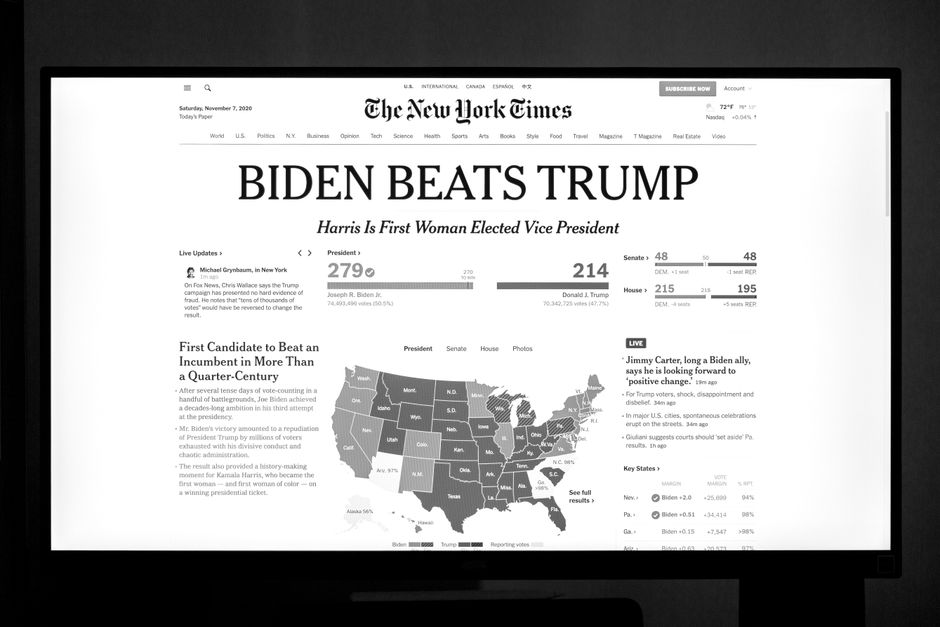
- New York election results show a decline in support for Israel among younger voters and Democratic Party members.
- Support for Israel has decreased by nearly 20% among voters under 30 in the past five years, according to polling data.
- A growing number of Americans, particularly Democrats, believe the US should take a more neutral stance in the Israeli-Palestinian conflict.
- The decline in support for Israel could have significant implications for US foreign policy and its relationship with Israel.
- The trend of eroding support for Israel is a long-term shift in public opinion that may reshape one of the US’s closest alliances.
The recent New York election results have provided further evidence of the eroding support for Israel among the American public, a trend that could potentially reshape one of the United States’ closest alliances. According to the latest polls and election data, there is a noticeable decline in support for Israel, particularly among younger voters and those in the Democratic Party. This shift in public opinion could have significant implications for US foreign policy, as the country has long been a staunch ally of Israel.
The Data Behind the Shift

A closer examination of the election results and polling data reveals a stark trend: support for Israel is declining among key demographics. For instance, a recent New York Times article notes that among voters under the age of 30, support for Israel has dropped by nearly 20% in the past five years. Furthermore, primary sources such as the Associated Press have reported similar declines in support among Democratic voters. These numbers are backed up by hard data, with polls showing a significant increase in respondents who believe the US should take a more neutral stance in the Israeli-Palestinian conflict.
The Key Players

The decline in support for Israel is not limited to the general public; it is also being driven by key actors within the political sphere. For example, prominent Democratic politicians such as Bernie Sanders and Alexandria Ocasio-Cortez have been vocal in their criticism of Israeli policies, particularly with regards to the treatment of Palestinians. Additionally, organizations such as the American Israel Public Affairs Committee are facing increased scrutiny and criticism for their lobbying efforts on behalf of Israel. As these players continue to shape the narrative around Israel, it is likely that public opinion will continue to shift.
The Trade-Offs

The erosion of support for Israel is a complex issue with significant trade-offs. On the one hand, a more nuanced approach to the Israeli-Palestinian conflict could lead to increased stability and peace in the region. On the other hand, a decline in support for Israel could embolden extremist groups and undermine the country’s security. Furthermore, the US-Israel alliance has long been a cornerstone of American foreign policy, and a significant shift in this relationship could have far-reaching implications for global politics. As such, policymakers must carefully weigh the costs and benefits of any potential changes to the US-Israel alliance.
Timing and Context

So why is this shift in public opinion happening now? One key factor is the increased visibility of the Israeli-Palestinian conflict, driven in part by social media and the 24-hour news cycle. Additionally, the recent actions of the Israeli government, such as the expansion of settlements in the West Bank, have drawn widespread criticism and condemnation. As the conflict continues to escalate, it is likely that public opinion will continue to shift, with more and more Americans calling for a more balanced approach to the issue. The timing of this shift is also significant, as it comes at a moment when the US is re-evaluating its role in global politics and seeking to redefine its relationships with key allies.
Where We Go From Here
Looking ahead to the next 6-12 months, there are several potential scenarios that could play out. One possible outcome is that the US will continue to maintain its strong alliance with Israel, despite the shift in public opinion. Another possibility is that the US will begin to take a more nuanced approach to the Israeli-Palestinian conflict, seeking to balance its support for Israel with a greater emphasis on Palestinian rights. A third scenario is that the conflict will continue to escalate, leading to increased tensions and instability in the region. Regardless of which scenario plays out, one thing is clear: the shift in public opinion on Israel will have significant implications for US foreign policy and the future of the US-Israel alliance.
In conclusion, the recent New York election results have provided further evidence of the eroding support for Israel among the American public, a trend that could potentially reshape one of the United States’ closest alliances. As policymakers navigate this complex issue, they must carefully consider the trade-offs and potential implications of any changes to the US-Israel alliance, and work to find a balanced approach that takes into account the needs and concerns of all parties involved.
Source: The New York Times