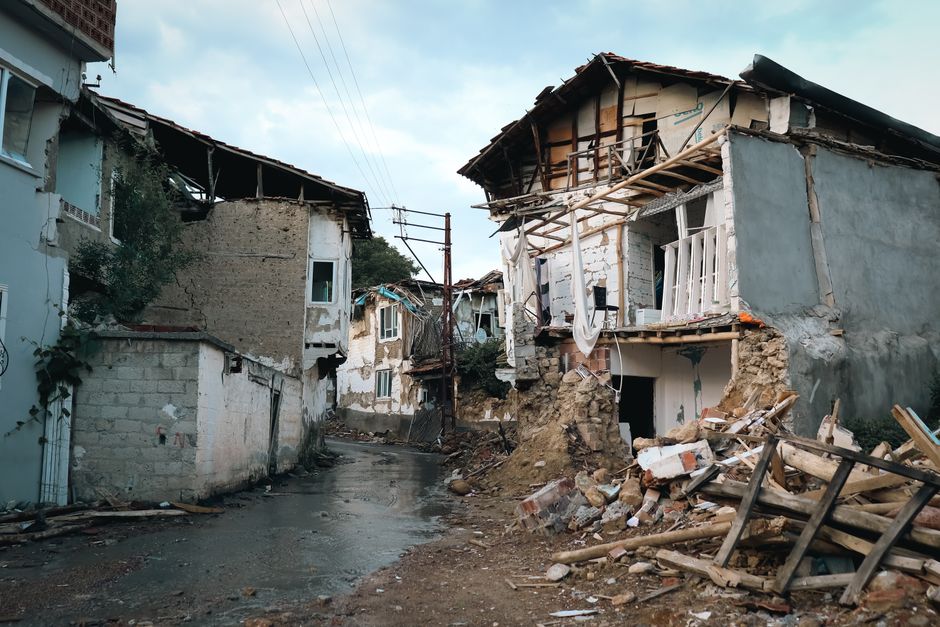
- A fragile truce between Hezbollah and Israel has brought uneasy calm to Lebanon’s Dahiya neighborhood.
- Residents are cautiously rebuilding their lives amidst the uncertainty of a fragile ceasefire.
- Dahiya, a Hezbollah stronghold, has borne the brunt of the conflict, with many buildings scarred by bombardment.
- Despite the challenges, residents are determined to restore their community to its former vibrancy.
- The truce is fragile and could unravel at any moment, with underlying tension still present in the area.
In the aftermath of the truce between Hezbollah and Israel, the Dahiya neighborhood in Beirut, Lebanon, is cautiously emerging from the shadows of war. The area, a longstanding Hezbollah stronghold, has borne the brunt of the conflict, leaving residents to pick up the pieces and rebuild their lives amidst the uncertainty of a fragile ceasefire. As one resident poignantly noted, “This war has brought so much loss,” a sentiment that echoes the somber mood pervading the streets of Dahiya.
Current State of Dahiya

The streets of Dahiya, once bustling with life, are now a testament to the devastating impact of war. Buildings stand as skeletal reminders of what once was, their facades scarred by the relentless bombardment. Despite the challenges, there is a palpable sense of resilience among the residents, who are determined to restore their community to its former vibrancy. As the dust settles, the sounds of reconstruction and rehabilitation are gradually replacing the echoes of gunfire and explosions, signaling a tentative return to normalcy. However, the underlying tension remains, a stark reminder that the truce is fragile and could unravel at any moment.
Historical Context of the Conflict

The conflict between Hezbollah and Israel is rooted in a complex web of historical, political, and ideological differences. The two entities have been embroiled in a cycle of violence and retaliation for decades, with Dahiya often finding itself at the epicenter of the clashes. The area’s strategic importance and its status as a Hezbollah stronghold have made it a prime target for Israeli military operations. Understanding the deep-seated animosities and the labyrinthine geopolitical landscape is crucial to grasping the intricacies of the current situation and the precarious nature of the truce. The history of the conflict is a stark reminder that the path to lasting peace will be long and arduous.
Key Players and Motivations

The dynamics of the conflict are influenced by a multitude of players, each with their own motivations and agendas. Hezbollah, backed by Iran, seeks to assert its dominance in the region and protect its interests. Israel, on the other hand, aims to neutralize the perceived threat posed by Hezbollah’s military capabilities. The residents of Dahiya, caught in the crossfire, are motivated by a desire for peace and stability, hoping to live their lives free from the constant fear of violence. The interplay between these entities and their respective backers adds layers of complexity to the conflict, making a durable resolution challenging to achieve.
Consequences for Stakeholders

The truce, while welcome, has significant implications for all stakeholders involved. For the residents of Dahiya, it means a chance to rebuild and restart their lives, albeit under the shadow of uncertainty. For Hezbollah and Israel, the ceasefire presents an opportunity to regroup and reassess their strategies, though the potential for renewed conflict remains high. The international community, keenly watching the developments, is urged to play a more proactive role in facilitating a lasting peace, recognizing that the stability of the region hinges on the resolution of this longstanding conflict. The humanitarian aspect of the crisis also cannot be overlooked, with many in need of aid and support to recover from the devastating effects of the war.
The Bigger Picture
The situation in Dahiya and the broader conflict between Hezbollah and Israel are not isolated events but are deeply intertwined with the geopolitical landscape of the Middle East. The region, already fraught with tensions and conflicts, is particularly sensitive to any escalation between these two adversaries. A lasting peace would not only benefit the immediate parties involved but also contribute to regional stability, potentially paving the way for resolutions to other longstanding conflicts. The international community’s engagement and support are critical in this endeavor, as a peaceful and stable Middle East is in the interest of global security and prosperity.
As Dahiya and its residents look to the future, the path ahead is fraught with challenges. The immediate focus is on rebuilding and recovery, but the long-term goal must be a durable and lasting peace. This will require not only the commitment of the parties directly involved but also the active support and engagement of the international community. The story of Dahiya serves as a poignant reminder of the human cost of conflict and the imperative for peace, underscoring the need for sustained efforts towards reconciliation and stability in one of the world’s most volatile regions. The coming days and weeks will be crucial in determining the trajectory of this fragile truce, and the world watches with bated breath as the people of Dahiya strive to rebuild their lives and their community.
Source: The New York Times