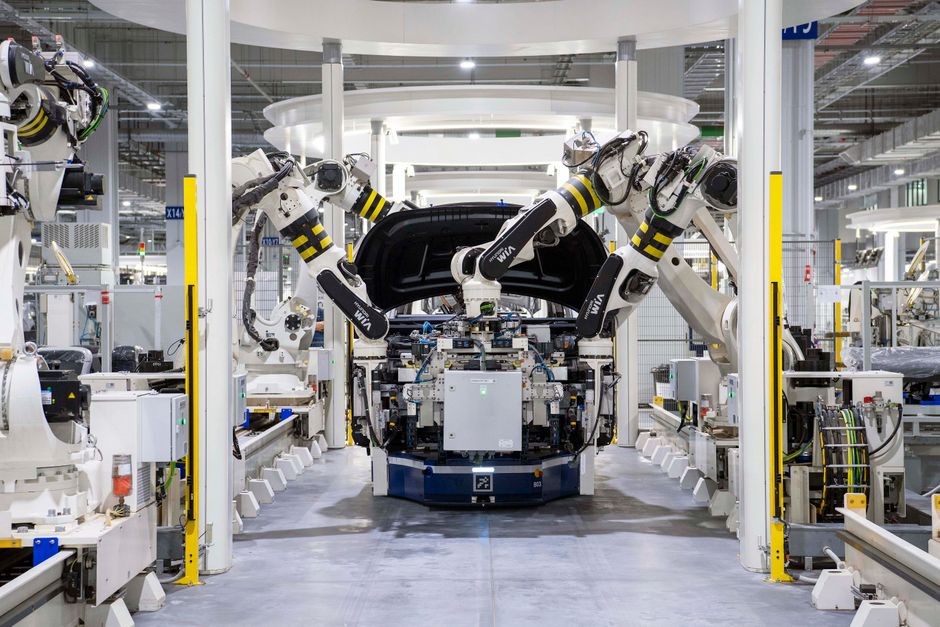
- BMW’s decision to build a new electric S.U.V. in South Carolina highlights the company’s commitment to electric vehicles, despite industry trends.
- The German automaker aims to make at least 50% of its sales electric by 2030, demonstrating its dedication to innovation and sustainability.
- BMW is doubling down on electric vehicle investment, a move that contrasts with other companies pulling back after financial losses.
- The growing demand for sustainable and environmentally friendly vehicles has led BMW to prioritize electric S.U.V. production.
- BMW’s decision is a significant development, warranting closer examination as the world grapples with climate change and sustainable energy challenges.
What does BMW’s decision to build a new electric S.U.V. in South Carolina reveal about the company’s commitment to electric vehicles? The German automaker is doubling down on its investment in electric vehicles, even as other companies are pulling back after acknowledging significant financial losses. This move is particularly noteworthy given the current industry trends, and it raises important questions about the future of electric vehicles. As the world grapples with the challenges of climate change and sustainable energy, BMW’s decision is a significant development that warrants closer examination.
Why is BMW Investing in Electric S.U.V. Production?

BMW’s decision to invest in electric S.U.V. production is a direct response to the growing demand for sustainable and environmentally friendly vehicles. The company has acknowledged the need to reduce its carbon footprint and is taking concrete steps to achieve this goal. By investing in electric vehicle technology, BMW is positioning itself for long-term success in a rapidly changing industry. According to a report by the New York Times, the company is committed to making at least 50% of its sales electric by 2030. This ambitious target demonstrates BMW’s dedication to innovation and sustainability.
What Evidence Supports BMW’s Decision?

Data from the automotive industry suggests that electric vehicles are becoming increasingly popular, with many consumers opting for sustainable and environmentally friendly options. A report by the BBC notes that electric vehicle sales have risen significantly in recent years, with many countries investing heavily in electric vehicle infrastructure. Furthermore, a study by the Nature journal found that electric vehicles produce significantly fewer emissions than traditional gasoline-powered vehicles, making them a more sustainable option for consumers. These findings provide strong evidence to support BMW’s decision to invest in electric S.U.V. production.
Are There Counter-Perspectives to Consider?

While BMW’s decision to invest in electric S.U.V. production is a positive development, there are also potential drawbacks to consider. Some critics argue that the production of electric vehicles is not as sustainable as it seems, given the environmental impact of mining for raw materials such as lithium and cobalt. Additionally, the high upfront costs of electric vehicles can make them inaccessible to many consumers, particularly in low-income communities. These concerns highlight the need for a nuanced discussion about the benefits and limitations of electric vehicles, and the importance of considering multiple perspectives when evaluating the sustainability of this technology.
What are the Real-World Implications of BMW’s Decision?

The real-world implications of BMW’s decision to build a new electric S.U.V. in South Carolina are significant. The production of electric vehicles will create new job opportunities and stimulate local economic growth, while also reducing the company’s carbon footprint and contributing to a more sustainable future. Furthermore, the increased availability of electric vehicles will provide consumers with more options for sustainable transportation, which can help to reduce greenhouse gas emissions and mitigate the impacts of climate change. As the world continues to grapple with the challenges of sustainable energy and environmental protection, BMW’s decision is an important step in the right direction.
What This Means For You
So what does BMW’s decision mean for consumers and the environment? In practical terms, it means that there will be more sustainable and environmentally friendly vehicle options available in the market, which can help to reduce our reliance on fossil fuels and mitigate the impacts of climate change. As consumers, we can support companies like BMW that are committed to sustainability and innovation, and we can also make informed choices about the vehicles we purchase and the impact they have on the environment. By working together, we can create a more sustainable future for ourselves and for future generations.
As we look to the future, it is clear that the automotive industry will continue to evolve and adapt to changing consumer demands and environmental concerns. What role will electric vehicles play in this future, and how will companies like BMW continue to innovate and invest in sustainable technologies? These are important questions that warrant further exploration and discussion, and they highlight the need for ongoing research and development in the field of sustainable energy and transportation.
Source: The New York Times