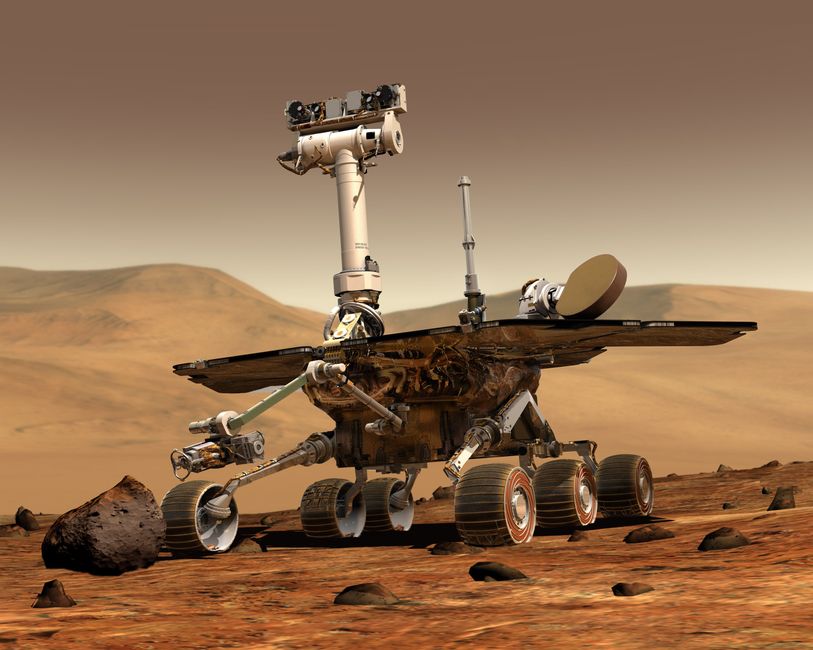
- NASA plans to repurpose a spare Mars rover for a lunar mission to support its lunar base research.
- The agency aims to reduce costs and accelerate research by utilizing existing technology and equipment.
- The mission demonstrates NASA’s innovative approach to space exploration and its commitment to lunar research.
- The proposed lunar mission could pave the way for future human missions to the moon.
- NASA’s willingness to adapt and innovate is crucial in overcoming the challenges of space exploration.
NASA is exploring the possibility of sending a spare test version of its Mars rover to the moon, a move that could support the agency’s plans to establish a lunar base. The proposed mission, which would also include a soccer ball, underscores the space agency’s efforts to repurpose existing technology and equipment to achieve its ambitious goals. This development is significant as it highlights NASA’s commitment to lunar research and its potential to pave the way for future human missions to the moon.
Lunar Base Research and Development

The potential deployment of a Mars rover to the moon is a testament to NASA’s resourcefulness and innovative approach to space exploration. By repurposing a spare test version of the rover, the agency can reduce costs and accelerate the development of its lunar base research. This move also demonstrates NASA’s ability to think outside the box and explore new ways to utilize its existing assets. As the space agency continues to push the boundaries of space exploration, its willingness to adapt and innovate will be crucial in overcoming the challenges that lie ahead.
Mission Details and Objectives

The proposed mission to send a Mars rover to the moon is still in its planning stages, but it is expected to include a range of equipment and experiments designed to support lunar base research. The inclusion of a soccer ball, for example, may seem unusual, but it could be used to test the rover’s mobility and navigation systems in a low-gravity environment. The mission would also provide NASA with an opportunity to test its communication systems and to gather valuable data on the lunar surface. As the agency moves forward with its plans, it will be important to carefully consider the mission’s objectives and to ensure that the rover is equipped with the necessary tools and instruments to achieve its goals.
Analysis and Implications

The decision to send a Mars rover to the moon has significant implications for NASA’s lunar base research and development. By leveraging its existing technology and expertise, the agency can accelerate the development of its lunar base plans and reduce the costs associated with establishing a human presence on the moon. The mission would also provide valuable insights into the challenges and opportunities associated with lunar exploration, and it could pave the way for future missions to the moon and beyond. As NASA continues to push the boundaries of space exploration, its ability to adapt and innovate will be crucial in overcoming the challenges that lie ahead and in achieving its ambitious goals.
Impact and Future Directions

The potential deployment of a Mars rover to the moon could have a significant impact on NASA’s lunar base research and development. The mission would provide valuable insights into the challenges and opportunities associated with lunar exploration, and it could pave the way for future missions to the moon and beyond. As the agency moves forward with its plans, it will be important to consider the potential risks and challenges associated with the mission, as well as the opportunities for scientific discovery and exploration. By carefully planning and executing the mission, NASA can ensure that it achieves its goals and makes significant progress in its efforts to establish a human presence on the moon.
Expert Perspectives
Experts in the field of space exploration are cautiously optimistic about NASA’s plans to send a Mars rover to the moon. While the mission poses significant technical challenges, it also offers a unique opportunity for scientific discovery and exploration. According to NASA, the mission would provide valuable insights into the lunar surface and the challenges associated with establishing a human presence on the moon. As the agency moves forward with its plans, it will be important to consider the potential implications and to ensure that the mission is carefully planned and executed.
Looking ahead, the success of the mission to send a Mars rover to the moon could have significant implications for NASA’s future plans and ambitions. As the agency continues to push the boundaries of space exploration, it will be important to carefully consider the challenges and opportunities associated with lunar and planetary research. By leveraging its existing technology and expertise, NASA can accelerate the development of its lunar base plans and reduce the costs associated with establishing a human presence on the moon. For more information on NASA’s lunar base research and development, visit The New York Times for the latest news and updates.
Source: The New York Times