- The United Nations warns that uneven AI adoption may worsen global inequality, exacerbating disparities between rich and poor countries.
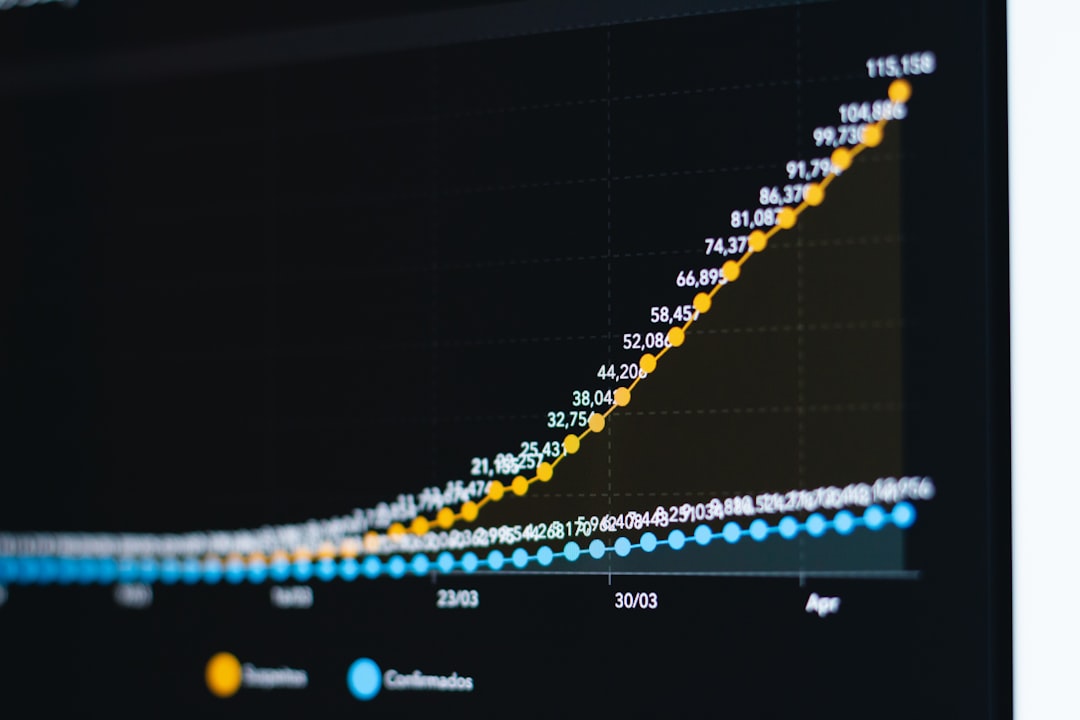
- AI adoption has surged 30% in 2023, with growth largely concentrated in developed countries.
- Developing countries struggle to keep pace with the rapid spread of AI technology.
- The UN proposes a shared framework for responsible AI development to mitigate these risks.
- Key players in the AI development landscape include governments, tech companies, and international organizations.
The rapid spread of artificial intelligence may worsen global inequality, according to a new report by the United Nations. The report warns that as AI adoption grows unevenly across the world, it may exacerbate existing disparities between rich and poor countries. The UN proposes a shared framework for responsible AI development to mitigate these risks and ensure that the benefits of AI are shared by all.
Evidence of Uneven AI Adoption

Hard data from the report reveals that AI adoption is growing at an unprecedented rate, with some countries investing heavily in the technology while others lag behind. For example, a recent survey by the International Telecommunication Union found that AI adoption has increased by 30% in the past year alone. However, this growth is largely concentrated in developed countries, with many developing countries struggling to keep pace.
Key Players in the AI Development Landscape

The report identifies several key actors in the AI development landscape, including governments, tech companies, and international organizations. These players have a critical role to play in shaping the future of AI and ensuring that it is developed and deployed in a responsible and equitable manner. For example, companies like Google and Microsoft are investing heavily in AI research and development, while governments like the United Nations are working to establish international standards and guidelines for AI development.
Trade-Offs and Risks of AI Development

The report highlights several trade-offs and risks associated with AI development, including the potential for job displacement, bias in AI decision-making, and the concentration of economic power in the hands of a few large tech companies. For example, a recent study by the McKinsey Global Institute found that up to 800 million jobs could be lost worldwide due to automation by 2030. On the other hand, AI also has the potential to bring significant benefits, including improved healthcare outcomes, increased efficiency, and enhanced productivity.
Timing and Next Steps

The report emphasizes that the time to act is now, as the development and deployment of AI are accelerating rapidly. The UN proposes that governments, companies, and international organizations work together to establish a shared framework for responsible AI development, including standards for transparency, accountability, and fairness. This framework should be developed and implemented in the next 6-12 months, with regular review and updating to ensure that it remains relevant and effective.
Where We Go From Here
Looking ahead, there are several possible scenarios for the development and deployment of AI over the next 6-12 months. One scenario is that governments and companies will work together to establish a shared framework for responsible AI development, leading to more equitable and sustainable outcomes. Another scenario is that the development of AI will continue to be driven by commercial interests, leading to increased inequality and social unrest. A third scenario is that the risks associated with AI will become more apparent, leading to increased regulation and oversight of the technology.
In conclusion, the rapid spread of AI has the potential to worsen global inequality, but it also presents opportunities for growth and development. As the UN report makes clear, the key to realizing these opportunities is to establish a shared framework for responsible AI development, one that prioritizes transparency, accountability, and fairness. Ultimately, the future of AI will depend on the choices we make today, and it is up to governments, companies, and individuals to work together to ensure that the benefits of AI are shared by all.
Source: The Guardian