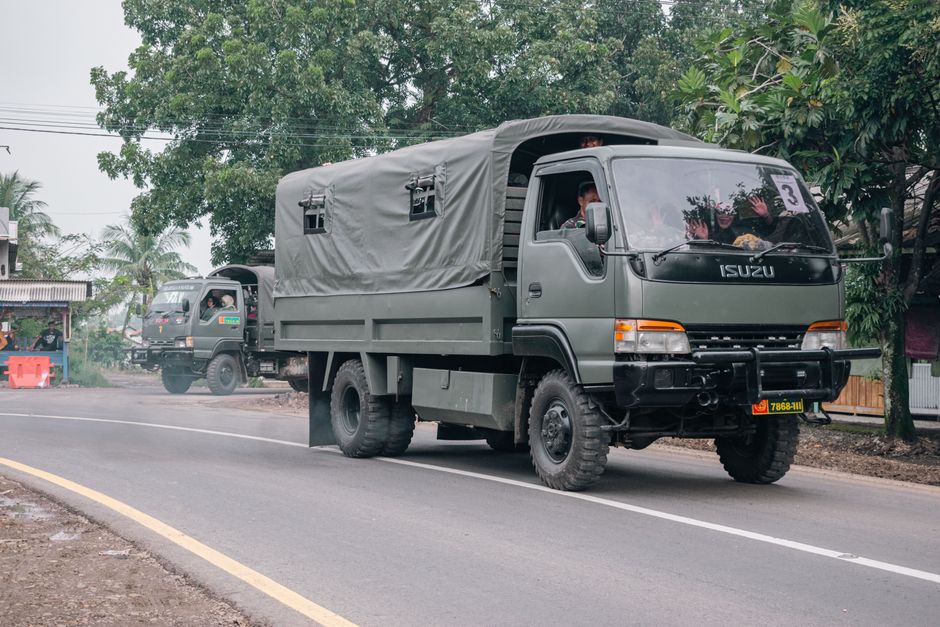
- Myanmar has experienced its highest monthly civilian death toll since the war began in 2021, sparking concern over the escalating conflict.
- The military coup in 2021 ousted the democratically elected government, leading to a full-blown civil war.
- Human rights abuses, including targeting civilians and forced labor, have been reported throughout the conflict.
- The international community has condemned the violence, but a unified response has been slow to materialize.
- The humanitarian situation in Myanmar continues to worsen, with thousands displaced and in need of aid.
Myanmar, a Southeast Asian nation, has recently experienced its highest monthly civilian death toll since the war began in 2021, sparking widespread concern over the escalating conflict. The surge in violence has raised questions about the stability of the region and the international community’s response to the crisis. As the situation continues to deteriorate, it is essential to understand the root causes of the conflict and its far-reaching implications. The main entity involved, the Myanmar military, has been accused of human rights abuses, adding complexity to the issue.
Background of the Conflict

The conflict in Myanmar began in 2021, following a military coup that ousted the democratically elected government. The power grab was met with widespread resistance, and the situation quickly escalated into a full-blown civil war. The conflict has been marked by reports of human rights abuses, including the targeting of civilians and the use of forced labor. The international community has condemned the violence, but a unified response has been slow to materialize. As the conflict drags on, the humanitarian situation continues to worsen, with thousands displaced and in need of aid. The situation on the ground is dire, and the need for a peaceful resolution is becoming increasingly urgent.
Key Developments in the Conflict

The recent surge in civilian deaths is a grim reminder of the conflict’s devastating toll. The violence has been concentrated in certain regions, with ethnic minorities bearing the brunt of the attacks. The Myanmar military has been accused of using disproportionate force, including airstrikes and artillery bombardments, in civilian areas. The opposition forces, comprised of various ethnic groups and pro-democracy activists, have also been involved in the fighting, although the extent of their involvement is difficult to ascertain. As the conflict continues to unfold, it is essential to monitor the actions of all parties involved and to hold those responsible for human rights abuses accountable.
Analysis of the Conflict

The causes of the conflict in Myanmar are complex and multifaceted. The military’s seizure of power in 2021 was the catalyst for the violence, but underlying tensions, including ethnic and religious divisions, have contributed to the conflict’s escalation. The international community’s response has been criticized for being slow and ineffective, with some arguing that more robust action is needed to bring the parties to the negotiating table. According to reports from the BBC, the situation on the ground is increasingly dire, with the humanitarian crisis deepening by the day. As the conflict drags on, it is essential to examine the root causes of the violence and to develop a comprehensive strategy for achieving a lasting peace.
Implications of the Conflict

The implications of the conflict in Myanmar are far-reaching and devastating. The humanitarian crisis is worsening by the day, with thousands displaced and in need of aid. The conflict is also having a significant impact on the regional economy, with trade and investment drying up. The international community is under increasing pressure to act, with some calling for tougher sanctions and others advocating for a more nuanced approach. As the situation continues to deteriorate, it is essential to consider the potential consequences of inaction and to develop a comprehensive strategy for addressing the crisis. The people of Myanmar are in urgent need of assistance, and the international community must respond with haste.
Expert Perspectives
Experts are divided on the best course of action for addressing the crisis in Myanmar. Some argue that tougher sanctions are needed to pressure the military into negotiations, while others believe that a more nuanced approach is required. According to reports from Reuters, the situation on the ground is increasingly complex, with multiple parties involved and competing interests at play. As the conflict continues to unfold, it is essential to consider a range of perspectives and to develop a comprehensive strategy for achieving a lasting peace. The international community must work together to address the crisis and to find a solution that works for all parties involved.
Looking to the future, it is essential to consider what steps can be taken to address the crisis in Myanmar. The international community must work together to develop a comprehensive strategy for achieving a lasting peace, and the parties involved must be held accountable for their actions. As the situation continues to deteriorate, it is essential to monitor developments closely and to be prepared to respond to any changes on the ground. The people of Myanmar are in urgent need of assistance, and the international community must respond with haste. The coming weeks and months will be critical in determining the course of the conflict, and it is essential to be vigilant and to advocate for a peaceful resolution.
Source: The New York Times