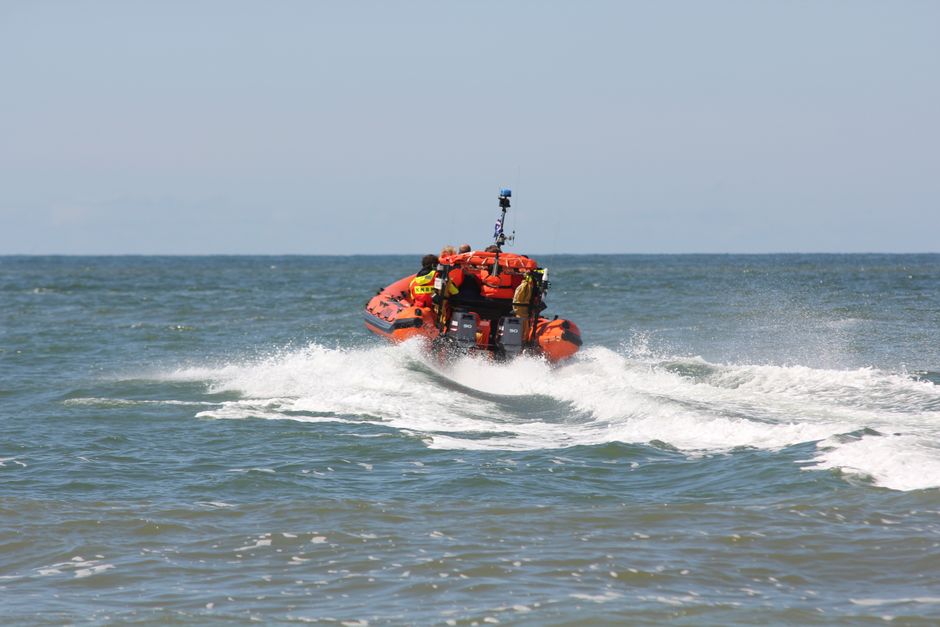
- The UK’s Maritime and Coastguard Agency will no longer pay volunteer coastguard officers for callouts, sparking concerns about emergency response.
- A court ruling classified volunteers as workers, entitling them to benefits such as pensions and paid leave.
- The MCA stopped £11 hourly payments to avoid granting these benefits, leaving volunteers uncertain about future.
- The removal of callout payments may lead to a decline in volunteer numbers, affecting the quality of emergency services.
- The coastguard’s ability to respond quickly and effectively may be compromised without the £11 hourly payment incentive.
The UK’s Maritime and Coastguard Agency (MCA) has announced it will no longer pay its volunteer coastguard officers for callouts, sparking concerns among seaside towns about the potential impact on emergency response. The decision comes after a court ruling classified the volunteers as workers, entitling them to benefits such as pensions and paid leave. The MCA has opted to stop the £11 hourly payments to avoid granting these benefits, leaving many to wonder how this will affect the coastguard’s ability to respond to emergencies.
Current State of Coastguard Callouts

The MCA’s decision has sent shockwaves through coastal communities, where volunteers are often the first line of response in emergency situations. With the coastguard playing a crucial role in search and rescue operations, the removal of callout payments may lead to a decline in volunteer numbers, ultimately affecting the quality of emergency services. The £11 hourly payment, although modest, served as an incentive for volunteers to respond to callouts, often in challenging and hazardous conditions. Without this payment, some fear that the coastguard’s ability to respond quickly and effectively may be compromised.
Historical Context of Coastguard Classification

The court ruling that led to the MCA’s decision is a significant turning point in the history of the coastguard. Previously, volunteer coastguard officers were not considered workers, and therefore, were not entitled to the same benefits as paid employees. However, the ruling has brought attention to the critical role that these volunteers play in maintaining coastal safety. The MCA must now navigate the implications of this ruling, balancing the need to provide adequate emergency services with the financial and administrative burdens of classifying volunteers as workers. This dilemma highlights the complexities of relying on volunteers in critical services and the need for a sustainable and equitable solution.
Key Players and Motivations

At the heart of this issue are the volunteer coastguard officers themselves, who are driven by a desire to serve their communities and protect those in need. Volunteers like Ray Wicks, who expressed his admiration for the local coastguard in Shoreham-by-Sea, embody the spirit of public service that defines the coastguard. However, the MCA’s decision may test the dedication of these volunteers, as they weigh the personal costs of responding to callouts without financial compensation. The motivations of the MCA, on the other hand, appear to be centered around avoiding the financial and administrative implications of classifying volunteers as workers, a decision that may have far-reaching consequences for coastal communities.
Consequences for Stakeholders

The cessation of callout payments will have significant consequences for stakeholders, including the volunteers themselves, coastal residents, and the broader community. For volunteers, the loss of payment may lead to a decline in participation, as individuals reassess their ability to dedicate time and resources to the coastguard. Coastal residents, who rely on the coastguard for emergency response, may face increased risks if the quality of service declines. The community as a whole may also feel the impact, as the coastguard plays a vital role in promoting coastal safety and preventing accidents. As the MCA navigates this new landscape, it must consider the potential consequences of its decision and work to mitigate any negative effects on stakeholders.
The Bigger Picture
The MCA’s decision to stop paying volunteer coastguard officers for callouts reflects a broader challenge facing organizations that rely on volunteers to deliver critical services. As the classification of workers continues to evolve, organizations must adapt to ensure that they are providing fair compensation and benefits to those who serve. This issue also highlights the importance of sustainable funding models for emergency services, which often rely on the dedication of volunteers. By examining the implications of the MCA’s decision, we can gain a deeper understanding of the complex interplay between volunteerism, worker classification, and the delivery of critical services.
As the situation unfolds, it remains to be seen how the MCA will address the concerns of coastal communities and ensure the continued effectiveness of the coastguard. One possible solution may involve exploring alternative funding models or compensation structures that recognize the value of volunteer contributions. For now, the UK’s seaside towns will be watching closely, hoping that the coastguard can continue to provide the high level of service that their communities rely on. As the coastguard navigates this challenging new landscape, it is essential that the needs of both volunteers and the community are taken into account, ensuring that the coastguard remains a vibrant and effective force in promoting coastal safety.
Source: The Guardian