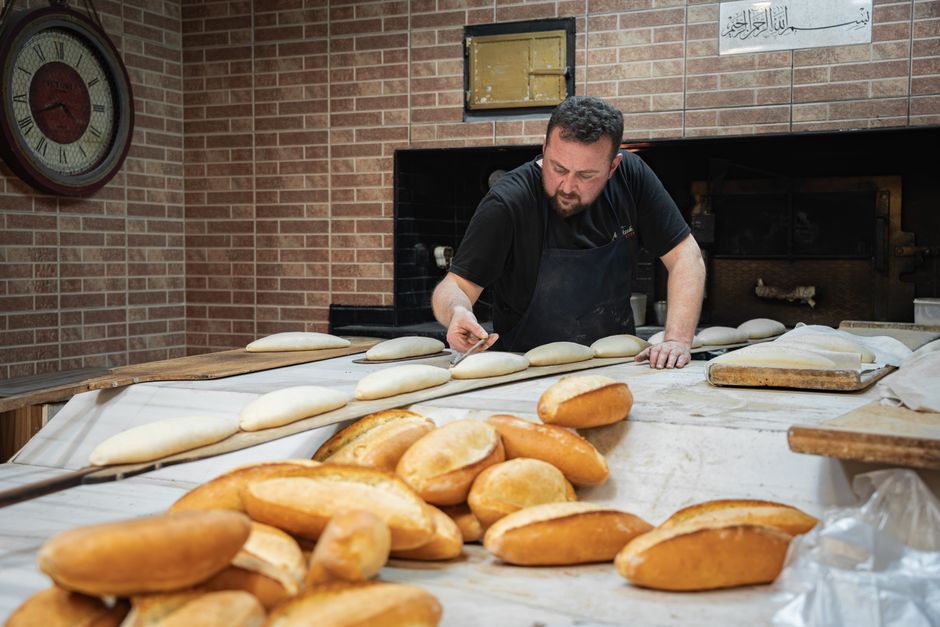
- The UK’s mass-produced white bread market is declining as consumers opt for artisanal alternatives.
- Artisanal breads are driven by a growing demand for higher-quality, unique products and supporting local bakeries.
- The traditional British supermarket loaf may soon be replaced by craft breads catering to evolving consumer tastes.
- The artisanal bread trend reflects a deeper change in how people think about food, prioritizing wholesome ingredients and health benefits.
- A new wave of skilled bakers, or ‘bread heads,’ is driving the growth of the artisanal bread market.
The UK’s mass-produced white bread market is experiencing a significant decline, as consumers increasingly opt for artisanal alternatives. This shift is largely driven by a growing demand for higher-quality, unique bread products, with many Britons seeking to support local bakeries and experience the distinct flavors of handmade loaves. As a result, the traditional British supermarket loaf may soon become a thing of the past, replaced by a diverse range of craft breads that cater to evolving consumer tastes.
The Rise of Artisanal Bread

The current trend towards artisanal bread is not merely a fleeting fad, but rather a long-term movement that reflects a deeper change in the way people think about food. With the rise of the wellness movement and increasing awareness about the importance of nutrition, many consumers are now prioritizing bread products that are made with high-quality, wholesome ingredients and offer distinct health benefits. Furthermore, the growing popularity of baking as a hobby has also contributed to the surge in demand for artisanal bread, as enthusiasts seek out new and exciting recipes to try at home.
Key Players in the Bread Revolution

A key factor driving the growth of the artisanal bread market is the emergence of a new wave of skilled bakers who are passionate about creating unique, high-quality products. These bread enthusiasts, often referred to as ‘bread heads,’ are dedicated to perfecting their craft and experimenting with innovative recipes and ingredients. By combining traditional techniques with modern flavors and presentation styles, they are helping to redefine the UK bread scene and attract a new generation of consumers who are eager to experience the richness and diversity of artisanal bread.
Understanding the Shift in Consumer Preferences

So, what is driving the shift towards artisanal bread, and why are consumers increasingly turning their backs on mass-produced loaves? According to experts, the answer lies in a combination of factors, including a growing awareness of the importance of nutrition, a desire for unique and exciting flavors, and a willingness to support local businesses and communities. Additionally, the rise of social media has also played a significant role, as platforms like Instagram and Facebook provide bakeries with a powerful tool for showcasing their products and connecting with customers. As recent reports have highlighted, this trend is not limited to the UK, with artisanal bread markets experiencing significant growth worldwide.
Implications of the Artisanal Bread Trend

The implications of the artisanal bread trend are far-reaching, with potential consequences for both the food industry and the wider economy. As consumers become increasingly discerning about the products they buy, bakeries and food manufacturers will need to adapt to meet changing demands and preferences. This may involve investing in new equipment and training, as well as developing innovative marketing strategies to attract and retain customers. Furthermore, the growth of the artisanal bread market may also have a positive impact on local communities, as bakeries and related businesses contribute to the development of vibrant and sustainable food systems.
Expert Perspectives
According to food expert, fermentation specialist, and author, Sandor Katz, the trend towards artisanal bread reflects a deeper desire for connection and community. ‘People are looking for ways to engage with their food and with each other,’ he explains. ‘Artisanal bread provides a platform for this, as it is often made and consumed in a social context, such as at farmers’ markets or in local bakeries.’ In contrast, other experts argue that the trend is primarily driven by economic factors, such as the growing demand for premium and unique products.
As the UK bread scene continues to evolve, it will be interesting to see how the market responds to changing consumer demands and preferences. Will the traditional supermarket loaf eventually become a thing of the past, replaced by a diverse range of artisanal breads that cater to every taste and dietary requirement? Only time will tell, but one thing is certain – the future of bread in the UK looks set to be shaped by a new wave of innovative and passionate bakers who are dedicated to creating high-quality, unique products that delight and inspire consumers.
Source: The Guardian