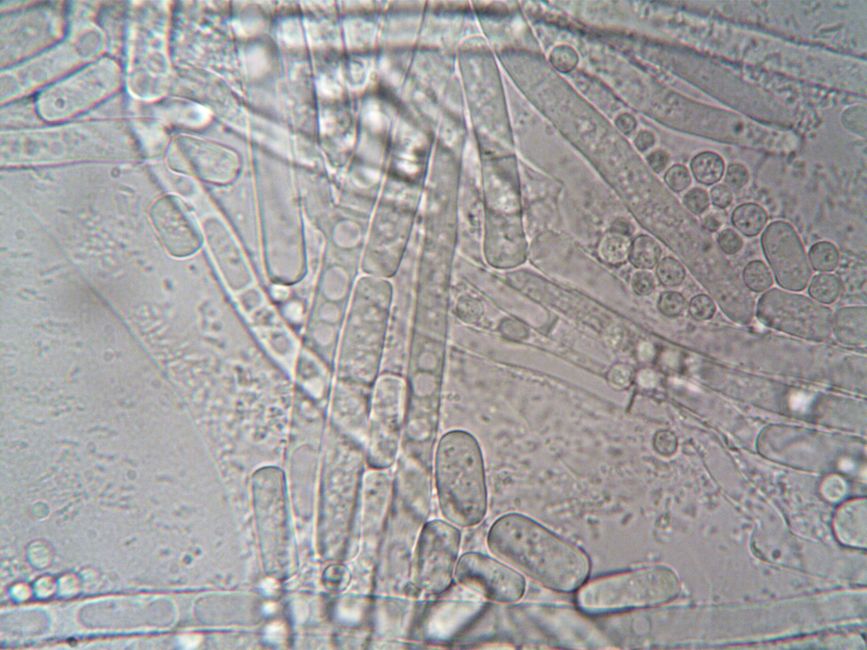
- Scientists discovered soil microbes that can enhance crop resilience in salty farmland, potentially enabling farmers to grow crops on previously unsuitable land.
- Beneficial soil bacteria stimulate the production of lignin, strengthening plant roots and making them more resilient in salty conditions.
- The discovery could have significant implications for global food production, enabling farmers to utilize previously unsuitable land for agriculture.
- Researchers conducted extensive greenhouse and field tests to validate the potential of these microbes to enhance crop resilience.
- The breakthrough may pave the way for future innovations in sustainable agriculture, including bio-based treatments for salty land.
Scientists have made a groundbreaking discovery that could revolutionize agriculture in salty soils. Researchers have found that certain soil microbes can enhance crop resilience in salty farmland, potentially enabling farmers to grow crops on land previously considered unsuitable. This breakthrough could have significant implications for global food production, as it may allow farmers to utilize land that was previously too salty for agriculture.
The Microbial Solution

According to the study, beneficial soil bacteria stimulate the production of lignin, a natural compound that strengthens plant roots and makes them more resilient. This unexpected survival advantage allows plants to thrive in salty conditions, resulting in healthier plants and higher yields. The researchers conducted extensive greenhouse and field tests to validate their findings, demonstrating the potential of these microbes to enhance crop resilience.
Key Players in the Discovery

The research team, consisting of experts in microbiology, plant biology, and agriculture, played a crucial role in the discovery. Their collaborative efforts led to a deeper understanding of the complex interactions between soil microbes, plants, and their environment. The team’s findings have significant implications for the development of bio-based treatments that can help farmers grow crops on salty land, and their work may pave the way for future innovations in sustainable agriculture.
Trade-Offs and Opportunities

While the discovery of these beneficial soil microbes offers tremendous opportunities for agriculture, there are also potential trade-offs to consider. For instance, the large-scale adoption of bio-based treatments may require significant investments in infrastructure and technology. However, the potential benefits of increased crop yields and improved food security could far outweigh the costs. Furthermore, the use of natural microbes could provide a more sustainable alternative to traditional chemical-based solutions, reducing the environmental impact of agriculture.
Timing and Context

The discovery of these soil microbes comes at a critical time, as the global demand for food continues to rise. With the world’s population projected to reach 9 billion by 2050, finding innovative solutions to increase food production is essential. The research team’s findings may provide a vital piece of the puzzle, enabling farmers to utilize previously unsuitable land and helping to ensure global food security. As the world grapples with the challenges of climate change, sustainable agriculture, and environmental conservation, this breakthrough could have a significant impact on the future of food production.
Where We Go From Here
Looking ahead, there are several possible scenarios for the next 6-12 months. One potential outcome is the development of bio-based treatments that can be applied to salty soils, enabling farmers to grow crops on land that was previously unsuitable. Another possibility is that the research team’s findings will inspire further innovation in the field of sustainable agriculture, leading to new breakthroughs and discoveries. A third scenario is that the discovery of these beneficial soil microbes will prompt policymakers to re-examine agricultural practices and consider new strategies for promoting food security and environmental conservation.
In conclusion, the discovery of these tiny soil microbes has the potential to revolutionize agriculture in salty soils, enabling farmers to grow crops on land previously considered unsuitable. As the world continues to grapple with the challenges of food production, sustainability, and environmental conservation, this breakthrough could have a profound impact on the future of agriculture, and its implications will be closely watched by scientists, policymakers, and farmers around the world.
Source: ScienceDaily