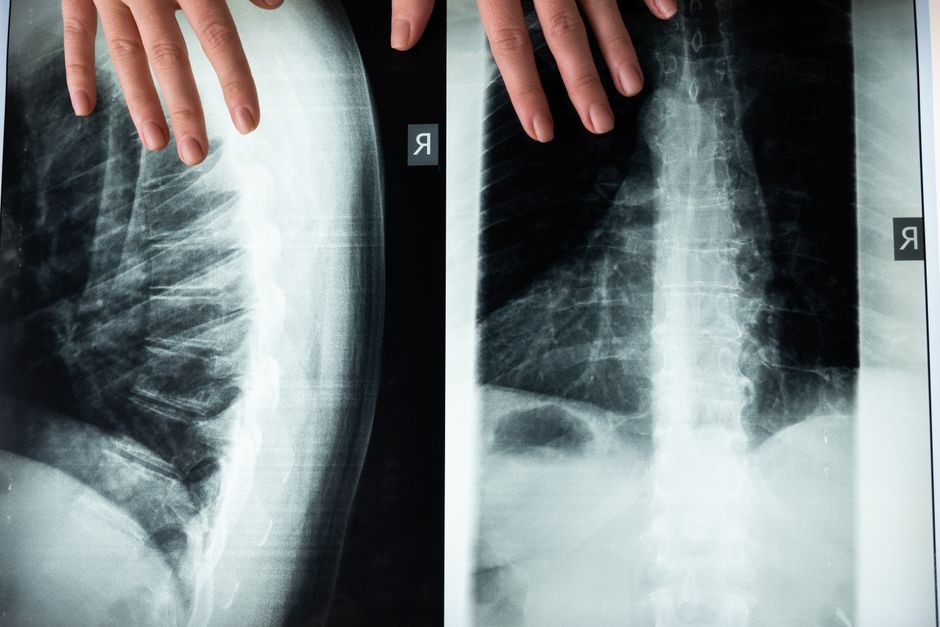
- Osteopenia affects millions silently, often undetected until a fracture or bone scan reveals the diagnosis.
- Aging, menopause, poor diet, and inactivity contribute to bone loss, making osteopenia a significant global health issue.
- The asymptomatic nature of osteopenia allows the condition to develop unnoticed over time, increasing the risk of fractures.
- Hormonal changes during menopause and inadequate nutrition are significant risk factors associated with osteopenia.
- Understanding the causes and consequences of osteopenia can help individuals take proactive measures to prevent or slow down bone loss.
Osteopenia, a condition characterized by the weakening of bones, is silently affecting millions of people worldwide, often going undetected until a fracture or bone scan reveals the diagnosis. According to recent findings, this prevalent yet overlooked condition can be attributed to various factors, including aging, menopause, poor diet, and inactivity, which collectively contribute to bone loss. As the global population ages, the importance of addressing osteopenia has become increasingly significant, with potential consequences on the quality of life and healthcare systems.
The Silent Progression of Osteopenia

The progression of osteopenia is particularly concerning due to its asymptomatic nature, allowing the condition to develop unnoticed over time. As bones become less dense and more fragile, individuals may only become aware of the condition after experiencing a fracture, which can be a life-altering event. The risk factors associated with osteopenia, such as hormonal changes during menopause and inadequate nutrition, highlight the need for proactive measures to prevent or slow down bone loss. By understanding the causes and consequences of osteopenia, individuals can take informed decisions about their lifestyle and health.
Causes and Risk Factors of Osteopenia

Research has identified several key factors that contribute to the development of osteopenia, including aging, menopause, poor diet, and inactivity. As people age, their bones naturally lose density, making them more susceptible to osteopenia. Additionally, the decrease in estrogen levels during menopause can accelerate bone loss, while a diet lacking essential nutrients, such as calcium and vitamin D, can further exacerbate the condition. Sedentary lifestyles also play a significant role, as regular exercise is crucial for maintaining strong bones. By addressing these modifiable risk factors, individuals can reduce their likelihood of developing osteopenia.
Analysis and Prevention of Osteopenia

Fortunately, osteopenia can be prevented or managed through a combination of healthy habits and lifestyle modifications. Regular exercise, such as weight-bearing activities, can help maintain bone density, while a balanced diet rich in calcium and vitamin D is essential for supporting bone health. Furthermore, health organizations recommend regular bone density screenings to detect osteopenia in its early stages, allowing for timely interventions. By adopting these preventive measures, individuals can significantly reduce their risk of developing osteopenia and related fractures.
Implications of Osteopenia on Public Health

The implications of osteopenia on public health are far-reaching, with potential consequences on healthcare systems and the quality of life for affected individuals. As the prevalence of osteopenia continues to rise, it is essential to raise awareness about the condition, its risk factors, and prevention methods. By doing so, individuals can take proactive steps to protect their bone health, reducing the burden on healthcare systems and improving overall well-being. Moreover, global health initiatives can play a crucial role in promoting bone health and preventing osteopenia, particularly in vulnerable populations.
Expert Perspectives
Experts in the field of bone health emphasize the importance of addressing osteopenia through a multifaceted approach, incorporating lifestyle modifications, nutritional interventions, and regular screenings. While some experts advocate for increased awareness and education, others highlight the need for more research into the causes and consequences of osteopenia, particularly in relation to other health conditions. By considering these diverse perspectives, individuals can gain a deeper understanding of osteopenia and its implications, ultimately informing their decisions about bone health.
Looking ahead, it is essential to continue monitoring the progression of osteopenia and its impact on public health, while exploring innovative strategies for prevention and management. As research unfolds, individuals can expect to see new developments in the diagnosis, treatment, and prevention of osteopenia, ultimately leading to improved bone health and a reduced risk of related fractures. By staying informed and proactive, individuals can take control of their bone health, mitigating the silent yet significant effects of osteopenia.
Source: ScienceDaily