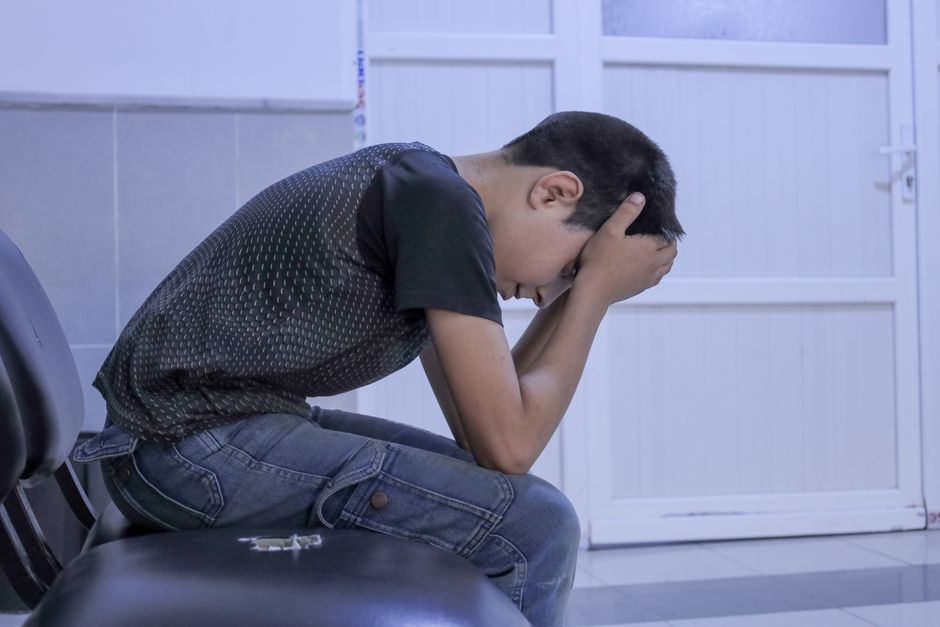
- More than one million children in England have been referred for mental health care due to anxiety.
- Mental health services in England are facing capacity issues, resulting in lengthy waiting times for children.
- Inadequate funding, insufficient resources, and a shortage of trained mental health professionals contribute to the crisis.
- Long waiting times can exacerbate children’s mental health conditions and have long-term consequences for their wellbeing.
- Historical underfunding and stigma have contributed to the growing mental health crisis among children in England.
More than one million children in England have been referred for mental health care, with anxiety being the primary reason for these referrals. According to recent data, the demand for mental health services is exceeding capacity, resulting in children waiting years for essential support. This alarming trend highlights the urgent need for increased funding and resources to address the growing mental health concerns among children in England.
Current State of Mental Health Services for Children

The current situation is dire, with many children facing lengthy waiting times for mental health support. The referrals, which have surpassed one million, are a testament to the escalating mental health crisis among children in England. Key factors contributing to this crisis include inadequate funding, insufficient resources, and a shortage of trained mental health professionals. As a result, children are being forced to wait for extended periods, which can exacerbate their conditions and have long-term consequences for their mental wellbeing.
Historical Context: How We Got Here

The story behind the soaring demand for mental health services among children in England is complex and multifaceted. Historically, mental health has been stigmatized, and services have been underfunded. In recent years, however, there has been a growing recognition of the importance of mental health, particularly among children. The COVID-19 pandemic has further highlighted the need for robust mental health services, as children have faced unprecedented challenges, including social isolation, academic disruption, and economic uncertainty. Despite these efforts, the system remains overwhelmed, and children are paying the price.
Key Players: Who is Shaping the Response to the Crisis

The response to the mental health crisis among children in England is being shaped by various stakeholders, including policymakers, healthcare professionals, and advocacy groups. NHS England is working to increase funding and resources for mental health services, while organizations like WHO are providing guidance and support to address the global mental health crisis. Additionally, advocacy groups are raising awareness about the issue and pushing for policy changes to ensure that children receive the support they need.
Consequences: The Impact on Children and Families

The consequences of the mental health crisis among children in England are far-reaching and devastating. Children who are forced to wait for extended periods for support are at risk of experiencing worsening symptoms, decreased academic performance, and strained relationships with family and friends. Furthermore, the lack of timely support can have long-term consequences for their mental wellbeing, increasing the risk of mental health disorders, such as depression and anxiety, later in life. Families are also affected, as they struggle to cope with the emotional and financial burden of supporting a child with mental health needs.
The Bigger Picture
The mental health crisis among children in England is part of a broader global trend. According to the World Health Organization, half of all mental health issues start by the age of 14, but most cases go untreated. This highlights the urgent need for increased investment in mental health services, particularly for children and adolescents. By addressing the mental health needs of children, we can help them develop into healthy, resilient adults, capable of reaching their full potential and contributing to society in meaningful ways.
In conclusion, the mental health crisis among children in England is a pressing concern that requires immediate attention and action. As we move forward, it is essential to prioritize increased funding and resources for mental health services, reduce waiting times, and provide support to families and caregivers. By working together, we can ensure that children in England receive the mental health support they need to thrive and reach their full potential.
Source: BBC