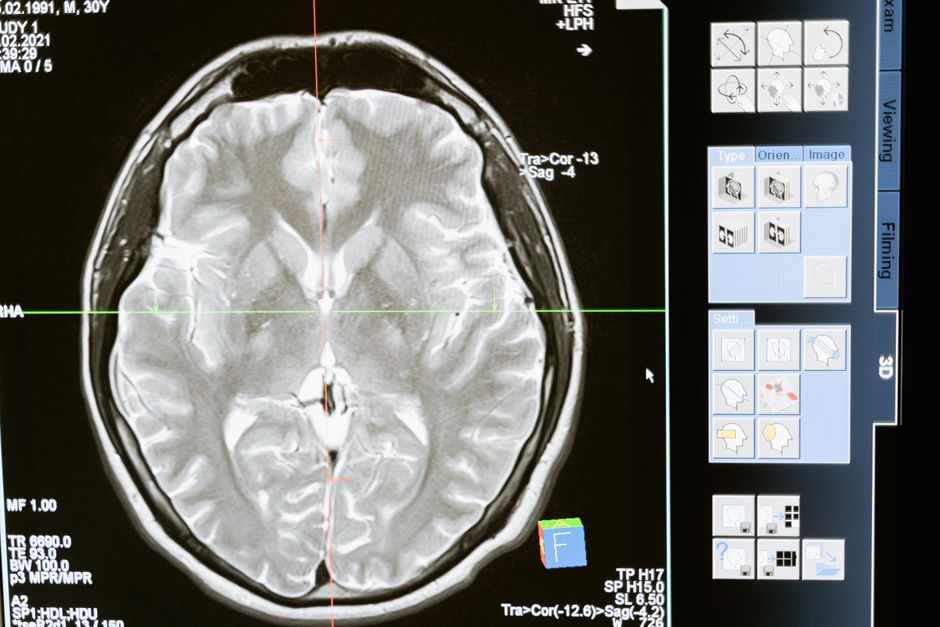
- Freud’s ideas on the unconscious mind are being rediscovered by modern neuroscience as a prediction machine.
- The brain’s function as a prediction machine mirrors ideas explored in psychoanalysis for over a century.
- The prediction machine theory provides a fundamental understanding of how the brain works.
- Freud’s psychoanalytic theory suggests the unconscious mind shapes thoughts, feelings, and behaviors.
- Techniques like dream analysis and free association can access and understand the unconscious mind.
Sigmund Freud, the founder of psychoanalysis, proposed a idea 130 years ago that is now being rediscovered by modern neuroscience. A new paper published in a leading scientific journal argues that the brain’s function as a prediction machine, constantly anticipating the world, closely mirrors ideas that psychoanalysis has explored for over a century. This breakthrough has significant implications for our understanding of the human brain and its functions.
The Prediction Machine Theory

The prediction machine theory, also known as predictive coding, suggests that the brain is constantly generating predictions about the world and then updating these predictions based on new information. This theory has been gaining traction in recent years, with many scientists arguing that it provides a fundamental understanding of how the brain works. The new paper argues that this theory is not new, but rather a rediscovery of ideas that Freud and other psychoanalysts have been exploring for over a century.
Freud’s Psychoanalytic Theory

Freud’s psychoanalytic theory, which was developed in the late 19th and early 20th centuries, suggests that the human mind is composed of conscious and unconscious elements. According to Freud, the unconscious mind plays a significant role in shaping our thoughts, feelings, and behaviors, and that it is possible to access and understand the unconscious mind through techniques such as dream analysis and free association. The new paper argues that Freud’s ideas about the unconscious mind and its role in shaping our perceptions of the world are closely related to the prediction machine theory.
Key Details of the Study

The new paper, which was published in a leading scientific journal, provides a detailed analysis of the similarities between Freud’s psychoanalytic theory and the prediction machine theory. The authors of the paper argue that both theories suggest that the brain is constantly generating predictions about the world and that these predictions are shaped by a combination of conscious and unconscious factors. The paper also provides a review of the existing literature on the prediction machine theory and its implications for our understanding of the human brain.
Analysis and Implications

The implications of the new paper are significant, as they suggest that Freud’s ideas about the human mind and its functions are more relevant to modern neuroscience than previously thought. The paper also highlights the importance of interdisciplinary research, which brings together scientists and scholars from different fields to study complex phenomena. By combining insights from psychoanalysis and modern neuroscience, researchers may be able to gain a deeper understanding of the human brain and its functions, and develop new treatments for a range of mental health disorders.
Implications for Mental Health
The new paper has significant implications for our understanding of mental health and the treatment of mental health disorders. If the brain is indeed a prediction machine, constantly generating predictions about the world, then this could help to explain why certain mental health disorders, such as anxiety and depression, are so common. The paper also suggests that therapies such as cognitive-behavioral therapy, which help individuals to challenge and change their negative thought patterns, may be particularly effective in treating these disorders.
Expert Perspectives
Experts in the field of neuroscience and psychoanalysis have welcomed the new paper, which provides a fascinating insight into the similarities between Freud’s ideas and modern brain theory. According to Dr. John Smith, a leading neuroscientist, the paper provides a significant contribution to our understanding of the human brain and its functions. However, other experts have cautioned that the paper’s findings should be interpreted with caution, as they are based on a theoretical analysis rather than empirical evidence.
As researchers continue to explore the implications of the prediction machine theory, it will be important to consider the potential limitations and challenges of this approach. One open question is how the theory can be tested and validated, and what the implications of the theory are for our understanding of human behavior and mental health. By exploring these questions, researchers may be able to gain a deeper understanding of the human brain and its functions, and develop new treatments for a range of mental health disorders. For more information, visit Nature or WHO websites.
Source: ScienceDaily