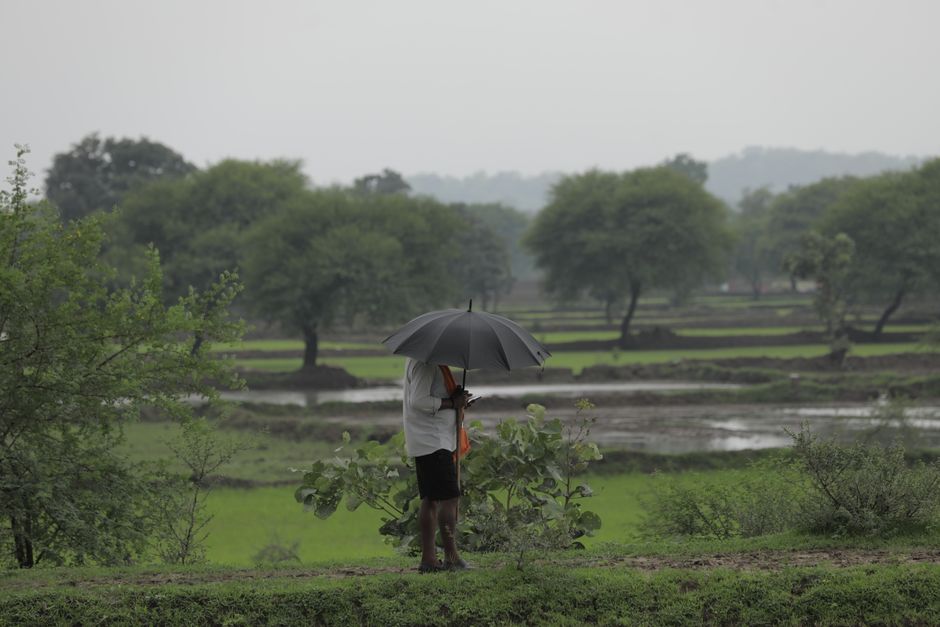
- India has recorded its driest June in over 12 years, sparking concerns over the country’s farming sector.
- Weaker monsoon rains are likely to impact farm output, leading to potential grain shortages.
- India’s agricultural sector accounts for a significant portion of the country’s economy and employs a substantial workforce.
- The government has assured that it has enough grain stocks to deal with any potential shortages.
- The long-term implications of the weaker monsoon rains on India’s farming sector remain a significant concern.
India has recorded its driest June in over a decade, sparking concerns over the country’s farming sector and potential grain shortages. The weaker monsoon rains are likely to impact farm output, but the government has assured that it has enough grain stocks to deal with any shortages. This development is crucial for India, as the country’s agricultural sector accounts for a significant portion of its economy and employs a substantial percentage of its workforce.
Current State of India’s Monsoon Season

The current monsoon season in India has been marked by weaker-than-expected rainfall, with June being the driest month in over 12 years. This has raised concerns among farmers, who rely heavily on the monsoon rains to irrigate their crops. The Indian government has been closely monitoring the situation and has assured that it has sufficient grain stocks to deal with any potential shortages. However, the long-term implications of the weaker monsoon rains on India’s farming sector remain a significant concern.
Historical Context of India’s Monsoon Season

India’s monsoon season has always been a crucial factor in the country’s agricultural sector. The monsoon rains, which typically last from June to September, account for approximately 70% of India’s annual rainfall. The rains are essential for irrigating crops, replenishing water sources, and sustaining the country’s agricultural production. Over the years, India has experienced fluctuations in monsoon rainfall, with some years being more abundant than others. However, the current trend of weaker monsoon rains is a cause for concern, as it may have long-term implications for the country’s food security and agricultural sector.
Key Players in India’s Farming Sector

The Indian government, farmers, and agricultural experts are the key players in the country’s farming sector. The government has been working to support farmers by providing them with subsidies, credit facilities, and other forms of assistance. Farmers, on the other hand, are the backbone of India’s agricultural sector, and their livelihoods are heavily dependent on the monsoon rains. Agricultural experts have been warning about the potential consequences of weaker monsoon rains, including reduced crop yields and decreased farm output. As the situation continues to unfold, these stakeholders will play a crucial role in determining the future of India’s farming sector.
Consequences of Weaker Monsoon Rains

The weaker monsoon rains are likely to have significant consequences for India’s farming sector, including reduced crop yields, decreased farm output, and potential grain shortages. This may lead to increased food prices, which could have a negative impact on the country’s economy and the livelihoods of its citizens. The government has assured that it has sufficient grain stocks to deal with any shortages, but the long-term implications of the weaker monsoon rains remain a concern. As the situation continues to unfold, it is essential to monitor the developments closely and take proactive measures to mitigate the potential consequences.
The Bigger Picture
The weaker monsoon rains in India are part of a larger global trend of climate change and its impact on agricultural production. Rising temperatures, changing precipitation patterns, and increased frequency of extreme weather events are all contributing to a more uncertain and challenging environment for farmers. As the global population continues to grow, it is essential to address these challenges and work towards ensuring food security and sustainable agricultural practices. The Indian government’s efforts to support its farming sector and mitigate the consequences of weaker monsoon rains are a step in the right direction, but more needs to be done to address the broader implications of climate change on global food systems. For more information on climate change and its impact on agriculture, visit NASA’s website or the IPCC website.
In conclusion, the weaker monsoon rains in India are a significant concern for the country’s farming sector and its economy. As the situation continues to unfold, it is essential to monitor the developments closely and take proactive measures to mitigate the potential consequences. The Indian government’s efforts to support its farming sector are a step in the right direction, but more needs to be done to address the broader implications of climate change on global food systems. As the world continues to grapple with the challenges of climate change, it is essential to work towards ensuring food security and sustainable agricultural practices for future generations.
Source: BBC