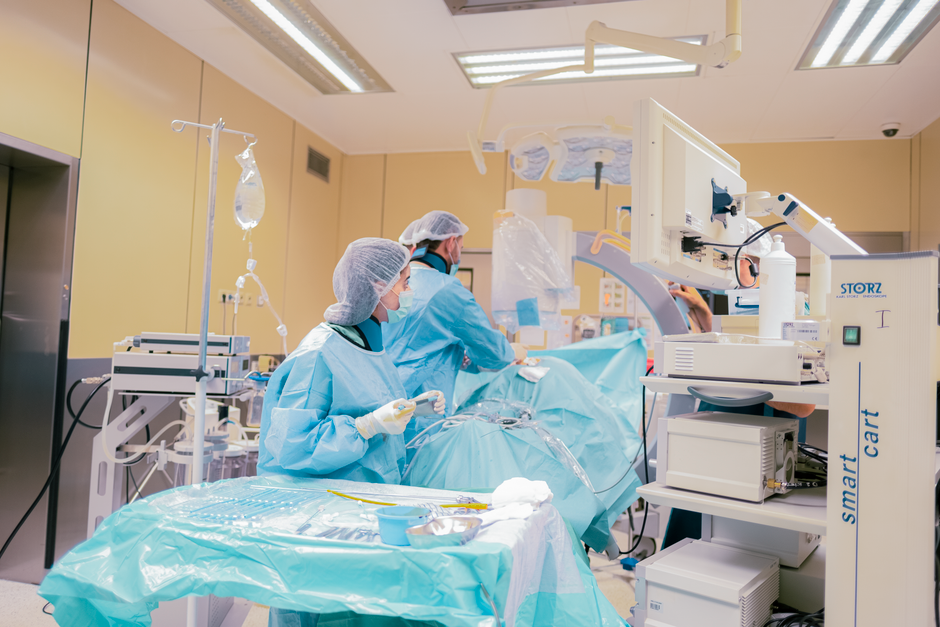
- Fusogenic neurosurgery involves using a combination of drugs and electrical impulses to fuse severed spinal cords.
- The technique has shown remarkable success in animal trials, with paralyzed pigs regaining significant mobility and coordination.
- Researchers are hopeful that their approach could lead to human trials and potentially even full head or brain transplants.
- The method relies on a complex interplay of biochemical and electrical signals to stimulate the growth of new nerve tissue.
- Experts remain cautious about the prospects of translating this technology to humans due to the need for safe and effective scaling.
Can a revolutionary new surgical technique that has enabled paralyzed pigs to walk again be successfully applied to humans? Researchers behind the innovative fusogenic neurosurgery method are hopeful that their approach could lead to human trials and potentially even full head or brain transplants. The technique involves using a combination of drugs and electrical impulses to fuse severed spinal cords, allowing paralyzed pigs to regain mobility and walk again. While the results are promising, experts remain cautious about the prospects of translating this technology to humans.
How Does Fusogenic Neurosurgery Work?

The fusogenic neurosurgery technique relies on a complex interplay of biochemical and electrical signals to stimulate the growth of new nerve tissue and repair damaged spinal cords. By administering a specific cocktail of drugs and applying targeted electrical impulses, researchers can encourage the fusion of severed nerve endings, effectively bridging the gap in the spinal cord. This innovative approach has shown remarkable success in animal trials, with paralyzed pigs regaining significant mobility and coordination. However, the question remains as to whether this technique can be safely and effectively scaled up for human application.
What Evidence Supports the Efficacy of Fusogenic Neurosurgery?

Studies published in reputable scientific journals have consistently demonstrated the potential of fusogenic neurosurgery in restoring mobility to paralyzed animals. Researchers have reported significant improvements in motor function and coordination in pigs treated with the technique, with some animals regaining up to 80% of their pre-injury mobility. While these results are undoubtedly impressive, experts emphasize the need for further research and rigorous testing to fully understand the mechanisms underlying the technique and to identify potential risks or side effects. As New Scientist reports, the road to human trials will be long and challenging, but the potential rewards are substantial.
What Are the Counter-Perspectives and Challenges?

Despite the promising results, not all experts are convinced that fusogenic neurosurgery is ready for human trials. Some skeptics point out that the technique is still in its infancy and that significant technical and safety hurdles must be overcome before it can be safely applied to humans. Others raise concerns about the potential risks of the procedure, including the possibility of adverse reactions to the drugs used or unintended consequences of the electrical impulses. Additionally, the complexity of the human nervous system and the variability of individual responses to treatment may limit the effectiveness of the technique in humans. As columnist Helen Thomson notes, a healthy dose of skepticism is warranted when evaluating the prospects of this innovative technology.
What Are the Real-World Implications of Fusogenic Neurosurgery?

If fusogenic neurosurgery can be successfully translated to humans, the implications would be profound. The technique could potentially offer new hope to individuals with spinal cord injuries or other debilitating neurological conditions, enabling them to regain mobility and independence. Furthermore, the technology could also pave the way for more ambitious procedures, such as full head or brain transplants, which could revolutionize the field of neuroscience and raise fundamental questions about the nature of identity and consciousness. As researchers continue to explore the possibilities of fusogenic neurosurgery, they must also confront the ethical and societal implications of this groundbreaking technology.
What This Means For You
While the prospects of fusogenic neurosurgery are undoubtedly exciting, it is essential to approach this technology with a critical and nuanced perspective. As a reader, it is crucial to stay informed about the latest developments in this field and to recognize both the potential benefits and the challenges associated with this innovative approach. By doing so, you can better understand the complexities of this technology and its potential impact on society, and make more informed decisions about the role that fusogenic neurosurgery may play in shaping the future of neuroscience and medicine.
As researchers continue to push the boundaries of what is possible with fusogenic neurosurgery, one question remains: what other breakthroughs can we expect in the field of neuroscience, and how will they transform our understanding of the human brain and body? The answer to this question will depend on the continued advancement of scientific knowledge and the collaboration of experts from diverse disciplines, but one thing is certain – the future of neuroscience holds much promise and excitement, and it is essential to stay curious and engaged as we embark on this journey of discovery.
Source: New Scientist