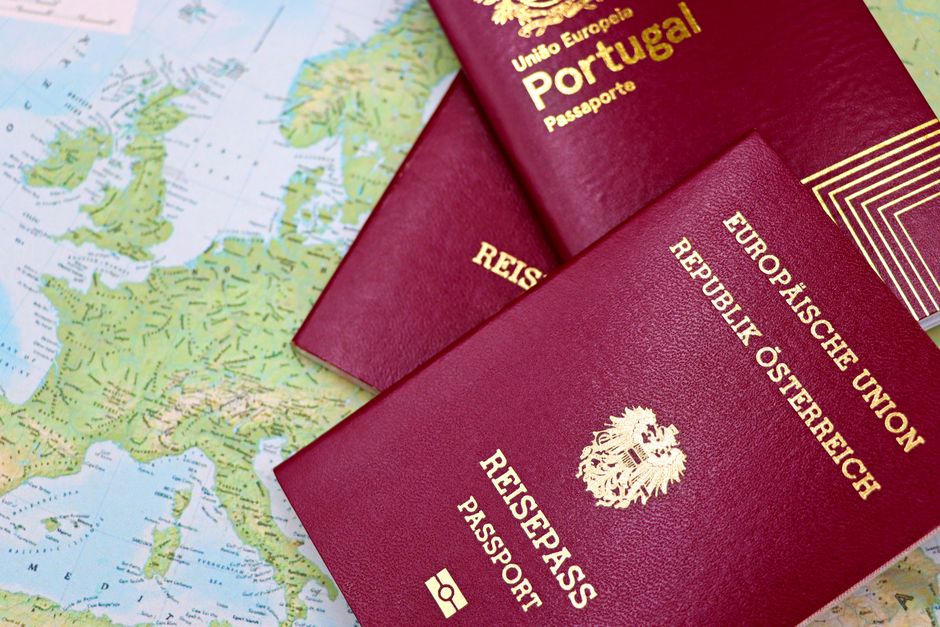
- The Supreme Court has upheld birthright citizenship, ruling that US-born children are entitled to automatic citizenship.
- The decision blocks President Trump’s executive order to limit citizenship rights for certain immigrant groups.
- Birthright citizenship is guaranteed by the 14th Amendment, which was passed in 1868.
- The ruling ensures that thousands of US-born children will retain their right to citizenship.
- The decision has far-reaching implications for immigrant communities and the country as a whole.
The Supreme Court has upheld the principle of birthright citizenship, ruling that all children born in the United States are entitled to automatic citizenship, regardless of their parents’ immigration status. This decision blocks an executive order by President Donald Trump, who had sought to limit citizenship rights for certain immigrant groups. The ruling is a significant victory for immigrant advocacy groups and ensures that thousands of US-born children will retain their right to citizenship.
Current State of Birthright Citizenship

The Supreme Court’s decision comes after months of intense debate and speculation over the future of birthright citizenship. President Trump had argued that the 14th Amendment, which guarantees citizenship to all persons born in the United States, was being misinterpreted and that only children of lawful permanent residents should be entitled to automatic citizenship. However, the court disagreed, citing the amendment’s clear language and the long-standing precedent of granting citizenship to all US-born children. The ruling is expected to have far-reaching implications for immigrant communities and the country as a whole.
Historical Context of Birthright Citizenship

The concept of birthright citizenship has been a cornerstone of American law since the passage of the 14th Amendment in 1868. The amendment was designed to ensure that former slaves and their children would be granted citizenship, but its provisions have been interpreted to apply to all persons born in the United States, regardless of their parents’ immigration status. Over the years, the principle of birthright citizenship has been upheld by numerous court decisions, including a landmark Supreme Court ruling in 1898. Despite this, the issue has remained contentious, with some arguing that it creates an incentive for illegal immigration.
Key Players in the Birthright Citizenship Debate

The debate over birthright citizenship has been shaped by a range of key players, including President Trump, immigrant advocacy groups, and congressional leaders. President Trump has been a vocal opponent of birthright citizenship, arguing that it is a magnet for illegal immigration and a burden on the US economy. In contrast, immigrant advocacy groups have argued that the principle is essential for ensuring the rights and dignity of immigrant families. Congressional leaders, including Democratic and Republican lawmakers, have also weighed in on the issue, with some proposing legislation to limit or expand birthright citizenship.
Consequences of the Supreme Court Ruling

The Supreme Court’s ruling on birthright citizenship is expected to have significant consequences for immigrant communities and the country as a whole. For thousands of US-born children, the decision ensures that they will retain their right to citizenship, regardless of their parents’ immigration status. The ruling is also likely to impact the ongoing debate over immigration reform, with some arguing that it creates an opportunity for lawmakers to pass comprehensive legislation that addresses the complexities of the US immigration system. However, others have warned that the decision may also create new challenges, including the potential for increased immigration enforcement and discrimination against immigrant families.
The Bigger Picture
The Supreme Court’s ruling on birthright citizenship is part of a broader debate over the meaning and scope of citizenship in the United States. The decision reflects a long-standing tension between the idea of citizenship as a birthright and the notion that it should be reserved for those who have earned it through lawful residence or military service. As the US continues to grapple with the challenges of immigration and demographic change, the principle of birthright citizenship is likely to remain a contentious and deeply divisive issue. For more information on the history of birthright citizenship, visit the Wikipedia page on birthright citizenship.
In the coming months and years, it will be important to watch how the Supreme Court’s ruling is implemented and how it impacts immigrant communities and the broader debate over immigration reform. As the US continues to evolve and change, the principle of birthright citizenship is likely to remain a vital and contested part of the national conversation. For updates on the latest developments, visit The New York Times for in-depth coverage of US news and politics.
Source: CNBC