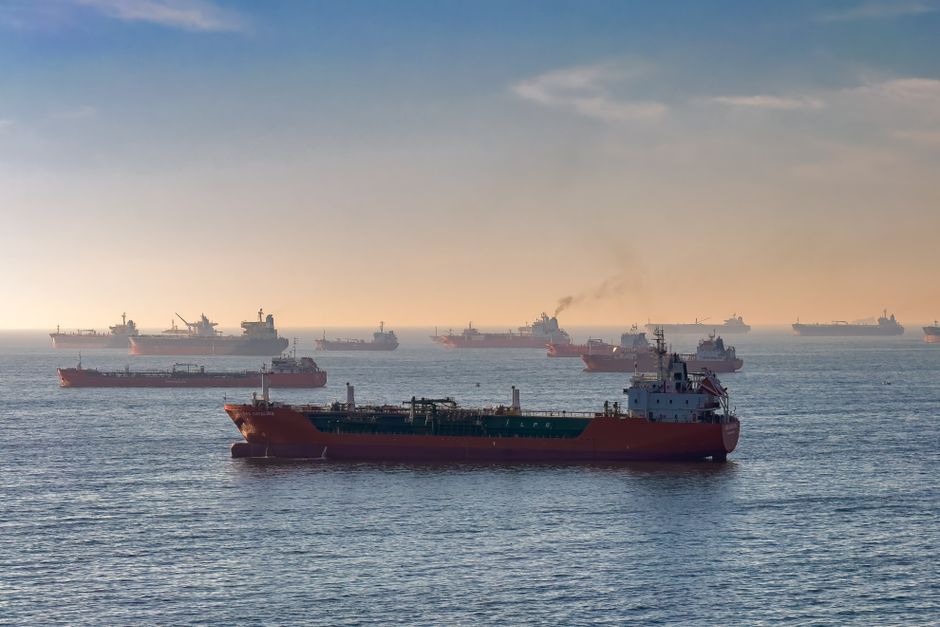
- The US-Iran deal has led to an increase in ship traffic through the Strait of Hormuz, with dozens of ships passing through daily.
- The Strait of Hormuz is a critical waterway, with approximately 20% of the world’s oil passing through it.
- The surge in maritime activity has major implications for global trade and energy markets, potentially leading to lower oil prices.
- The deal has paved the way for increased economic activity, with the shipping industry benefiting from renewed regional stability.
- The increase in ship traffic through the Strait of Hormuz is a clear indication of positive regional stability and global trade.
Traffic in the Strait of Hormuz has significantly increased since the US and Iran signed a deal aimed at ending the war, with dozens of ships, including 42 on Saturday alone, passing through the critical waterway. This surge in maritime activity is a direct result of the easing of tensions between the two nations, and it has major implications for global trade and energy markets. The Strait of Hormuz is a vital shipping lane, with approximately 20% of the world’s oil passing through it, making this development a crucial one for the global economy.
Current Maritime Activity

The recent increase in ship traffic through the Strait of Hormuz is a clear indication of the positive impact of the US-Iran deal on regional stability and global trade. With 42 ships passing through on Saturday, this marks a significant rise in maritime activity, reflecting the renewed sense of security and cooperation in the region. The deal has paved the way for increased economic activity, and the shipping industry is one of the first to benefit from this newfound stability. As more ships navigate through the Strait, it is likely that we will see a decrease in oil prices and an increase in global trade, having a positive impact on economies around the world.
Historical Context

The Strait of Hormuz has long been a source of tension between the US and Iran, with both nations having a significant interest in the region. The waterway’s strategic importance cannot be overstated, as it connects the Persian Gulf to the Arabian Sea, making it a critical passage for oil exports. In recent years, the region has seen numerous incidents of ships being seized or attacked, leading to a significant increase in insurance costs and a decrease in maritime activity. However, with the signing of the US-Iran deal, the region has entered a new era of cooperation, and the increase in ship traffic is a testament to this positive development.
Key Players and Motivations

The US and Iran are the primary players in this development, with both nations having a significant interest in the stability of the region. The US has long been concerned about the security of the Strait of Hormuz, given its importance to global energy markets. Iran, on the other hand, has sought to exert its influence in the region, often using the Strait as a bargaining chip in its negotiations with the West. The motivations behind the US-Iran deal are complex, but it is clear that both nations recognize the importance of cooperation in the region. By easing tensions and increasing maritime activity, both nations can benefit from increased trade and economic activity, making this development a win-win for all parties involved.
Consequences and Implications

The increase in ship traffic through the Strait of Hormuz has significant implications for global trade and energy markets. As more ships navigate through the region, we can expect to see a decrease in oil prices, which will have a positive impact on economies around the world. Additionally, the increased stability in the region will lead to a decrease in insurance costs, making it more economical for ships to pass through the Strait. This development will also have a positive impact on the environment, as the increased efficiency of maritime activity will lead to a reduction in greenhouse gas emissions. Overall, the consequences of the US-Iran deal are far-reaching, and it is likely that we will see a significant improvement in global trade and energy markets in the coming months.
The Bigger Picture
The increase in ship traffic through the Strait of Hormuz is not just a regional development, but rather a global one. The implications of this surge in maritime activity will be felt around the world, from the oil markets of New York and London to the manufacturing hubs of Asia. As the world becomes increasingly interconnected, developments such as this one highlight the importance of cooperation and diplomacy in maintaining global stability. The US-Iran deal is a testament to the power of diplomacy, and it serves as a reminder that even in the most complex and contentious of regions, cooperation is possible. For more information on the Strait of Hormuz and its importance to global trade, visit the Wikipedia page on the Strait of Hormuz.
As the situation in the Strait of Hormuz continues to evolve, it is likely that we will see further developments in the region. The US and Iran will need to continue to work together to maintain stability and cooperation, and the international community will be watching closely to see how this situation unfolds. For now, the increase in ship traffic through the Strait of Hormuz is a positive development, one that highlights the potential for cooperation and diplomacy in maintaining global stability. As we look to the future, it is clear that this development will have far-reaching implications, and it will be important to continue to monitor the situation closely.
Source: BBC