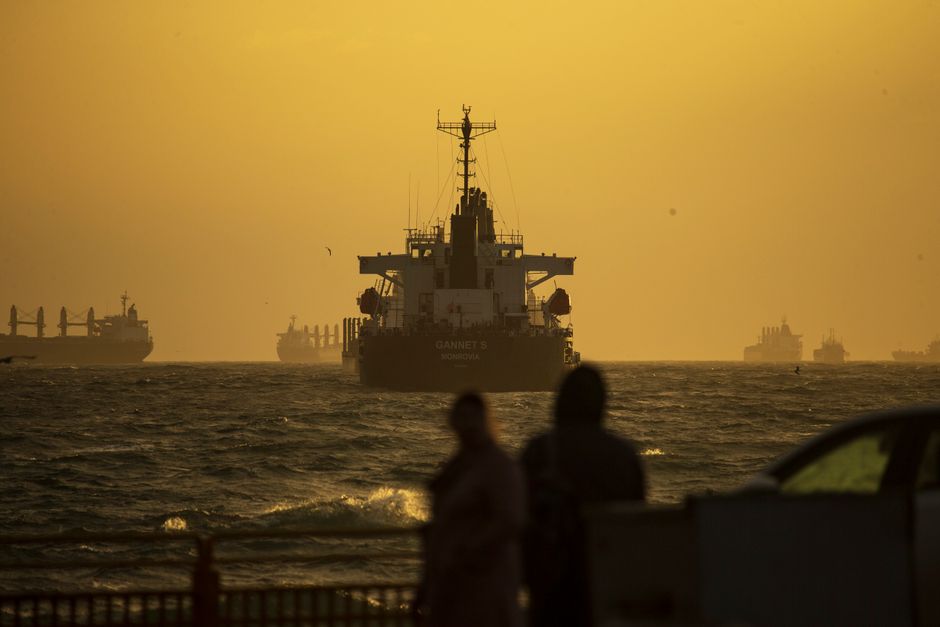
- The Strait of Hormuz is a critical waterway connecting the Persian Gulf to the Arabian Sea, with 20% of global oil passing through it daily.
- Tensions between the US and Iran have escalated, with the US warning Iran not to charge fees for ships to travel through the strait.
- A disruption to traffic in the Strait of Hormuz could have significant implications for the global economy, making it a critical issue to address.
- The UN is working to evacuate stranded sailors and find a permanent solution to the crisis, but a long-term resolution remains elusive.
- The US, Iran, and the UN are key players in the crisis, each with their own interests and motivations that drive their actions.
The United Nations has announced plans to evacuate a group of sailors stranded in the Strait of Hormuz, a critical waterway connecting the Persian Gulf to the Arabian Sea, amidst escalating tensions between the US and Iran. The development comes after US Secretary of State Marco Rubio warned Iran that no country can charge fees for ships to travel through the strait, a move that could disrupt global oil supplies and exacerbate regional instability.
Strait of Hormuz: A Global Flashpoint

The Strait of Hormuz has long been a source of contention between Iran and the international community, with the US and its allies accusing Tehran of attempting to exert control over the waterway. The strait is a vital shipping lane, with approximately 20% of the world’s oil passing through it every day. As such, any disruption to traffic in the area could have significant implications for the global economy, making it a critical issue for the international community to address. The UN’s decision to evacuate the stranded sailors is a welcome development, but it also highlights the need for a more permanent solution to the crisis.
Key Players and Interests

The US, Iran, and the UN are key players in the Strait of Hormuz crisis, each with their own interests and motivations. The US is keen to maintain the free flow of oil through the strait, while Iran sees the waterway as a means of exerting its influence in the region. The UN, meanwhile, is working to find a peaceful resolution to the crisis, one that balances the interests of all parties involved. As the situation continues to unfold, it is likely that other regional actors, such as Saudi Arabia and the UAE, will also become increasingly involved, adding to the complexity of the crisis.
Analysis and Implications

Analysts warn that the imposition of tolls on ships traveling through the Strait of Hormuz could have far-reaching consequences, including increased costs for consumers and a potential shift in global trade patterns. Furthermore, the move could also embolden other countries to impose similar fees on strategic waterways, leading to a destabilization of the global economy. According to a report by the Reuters news agency, the US and its allies are exploring alternative shipping routes, a move that could reduce their reliance on the Strait of Hormuz and limit Iran’s ability to exert control over the waterway.
Regional Consequences

The Strait of Hormuz crisis has significant implications for the region, with the potential to disrupt the economies of countries that rely heavily on oil exports. According to the BBC, the crisis could also lead to an increase in tensions between Iran and its regional rivals, potentially drawing in other countries and escalating the conflict. As such, it is essential that the international community works to find a peaceful resolution to the crisis, one that addresses the concerns of all parties involved and prevents a wider conflict.
Expert Perspectives
Experts are divided on the best course of action to resolve the Strait of Hormuz crisis, with some arguing that the US and its allies should take a tough stance against Iran, while others advocate for a more diplomatic approach. According to Dr. Sanam Vakil, a specialist in Middle East politics at the Chatham House think tank, the key to resolving the crisis lies in finding a balance between the interests of all parties involved, one that addresses the concerns of Iran while also maintaining the free flow of oil through the strait.
As the situation in the Strait of Hormuz continues to unfold, it is essential that the international community remains vigilant, working to find a peaceful resolution to the crisis and prevent a wider conflict. The UN’s decision to evacuate the stranded sailors is a welcome development, but it is only the first step in a long and complex process. As such, it is crucial that all parties involved work together to find a solution, one that addresses the concerns of everyone and maintains the stability of the region.
Source: BBC