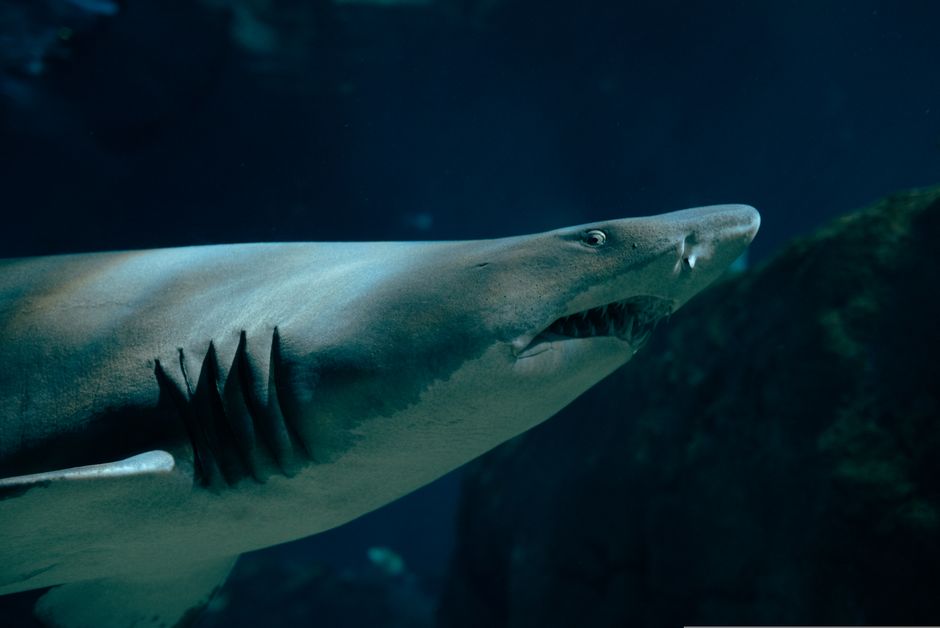
- Shark attacks in Australia have increased, with an average of 15-20 incidents per year, often with devastating consequences.
- The majority of shark attacks in Australia are non-fatal, but the fatality rate is around 15%, highlighting the severity of the issue.
- Australia’s shark attack response involves multiple agencies, including lifeguards, paramedics, and medical staff, working together to save lives.
- Prompt medical treatment is crucial in treating shark attack victims, and the effectiveness of emergency response systems is critical in saving lives.
- Beach safety measures, such as warning systems and shark surveillance, are essential in preventing shark attacks and protecting beachgoers.
Leah Stewart, a 34-year-old woman from Sydney, has awoken from an induced coma more than a week after a shark attack at Coogee Beach. The incident occurred while she was swimming, resulting in the amputation of one of her arms. This shocking event has raised concerns about ocean safety and the risk of shark attacks in popular beach destinations. The fact that Stewart has regained consciousness is a positive development, but the road to recovery will be long and challenging.
Evidence of Shark Attacks in Australia

According to data from the International Shark Attack File, Australia experiences an average of 15-20 shark attacks per year, with a fatality rate of around 15%. While shark attacks are rare, they can have devastating consequences. In this case, Stewart’s arm was severely injured, necessitating amputation. The incident highlights the importance of beach safety and the need for effective measures to prevent such attacks.
Key Players in Shark Attack Response

The response to the shark attack involved multiple agencies, including local lifeguards, paramedics, and medical staff. The prompt action of these individuals helped save Stewart’s life, and their efforts are a testament to the effectiveness of emergency response systems in place. The incident also underscores the critical role of medical professionals in treating shark attack victims, often requiring specialized care and equipment.
Trade-Offs in Shark Attack Prevention

While shark attacks are a significant concern, they are relatively rare compared to other ocean-related hazards, such as drowning or rip currents. However, the risk of shark attacks can have a disproportionate impact on local communities and beachgoers. To mitigate this risk, authorities must balance the need for safety measures with the potential impact on marine ecosystems and the economy. This includes implementing effective shark monitoring and warning systems, as well as educating the public about shark safety and prevention strategies.
Timing of Shark Attacks

The timing of shark attacks can be influenced by various factors, including the presence of bait fish, water temperature, and human activity. In this case, the attack occurred at a popular beach during a time of year when shark sightings are relatively common. Understanding the factors that contribute to shark attacks can help authorities develop targeted prevention strategies and improve beach safety.
Where We Go From Here
As Stewart continues her recovery, the incident serves as a reminder of the importance of ocean safety and the need for continued research into shark behavior and prevention strategies. Over the next 6-12 months, we can expect to see increased efforts to improve beach safety, including enhanced monitoring and warning systems. Additionally, there may be a renewed focus on shark conservation and education initiatives, aiming to reduce the risk of shark attacks while promoting a better understanding of these marine predators.
In conclusion, the shark attack on Leah Stewart is a sobering reminder of the risks associated with ocean activities, and the need for continued vigilance and education to prevent such incidents. As the community rallies around Stewart and her family, it is essential to acknowledge the complexities of shark attack prevention and the importance of a multifaceted approach to ensuring beach safety.
Source: BBC