Why Lebanon Conflict Escalates

Why Lebanon Conflict Escalates - VirentaNews

💡 Key Takeaways
  • Israeli forces intensify attacks across southern Lebanon, despite ongoing diplomatic efforts.
  • Escalating violence results in significant damage and raises concerns about regional stability.
  • The international community urges a peaceful resolution to the conflict, but violence continues.
  • The conflict threatens to spread beyond Lebanon’s borders, with significant implications for the Middle East.
  • The Lebanese government and United Nations call for an immediate ceasefire and withdrawal of Israeli forces.
VirentaNews Analysis
Why it matters

The escalating conflict in Lebanon poses significant regional and global implications, threatening to destabilize the delicate balance of power in the Middle East. The situation's severity and potential for further escalation underscore the need for a peaceful resolution, which could have far-reaching consequences for regional stability and global security.

Context

The conflict in Lebanon has its roots in a long-standing dispute between Israel and Lebanon, exacerbated by the involvement of other regional actors, including Iran and Syria. Ongoing diplomatic efforts have yet to establish a ceasefire, with the international community continuing to urge a peaceful resolution.

What to watch

The situation in Lebanon is likely to remain volatile, with a ceasefire and peaceful resolution remaining uncertain. The international community's response, particularly the United Nations' efforts, will be crucial in mitigating the conflict's regional and global implications, and the world will be watching for any signs of a meaningful breakthrough.

Israeli forces have intensified their attacks across southern Lebanon, despite ongoing diplomatic efforts to establish a ceasefire. The escalation in violence has resulted in significant damage and raised concerns about regional stability. The situation in Lebanon continues to deteriorate, with the international community urging for a peaceful resolution. The latest developments have significant implications for the Middle East, as the conflict threatens to spread beyond Lebanon’s borders.

Current Situation

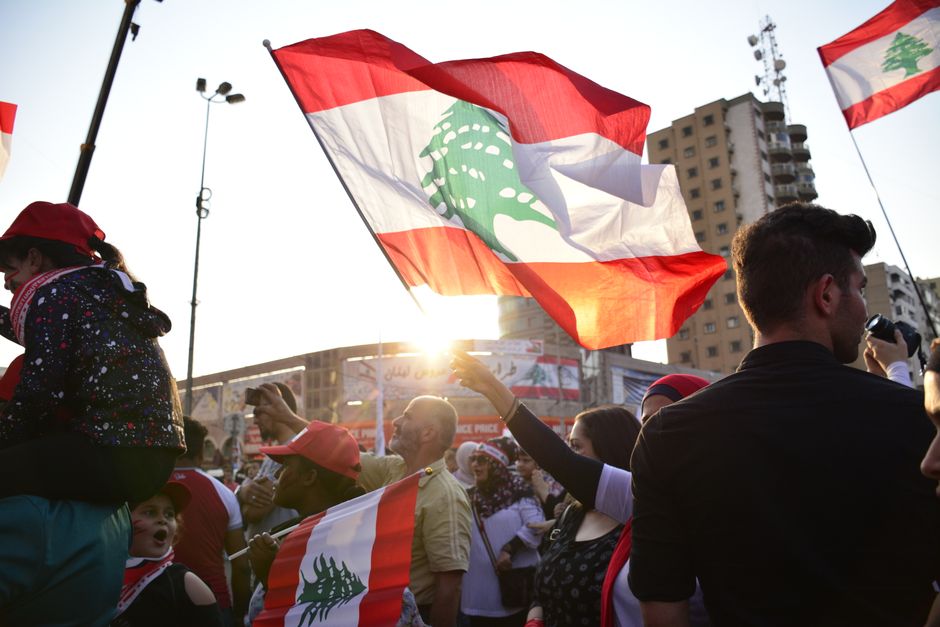
A vibrant rally in Tripoli, Lebanon, showcasing patriotism with waving national flags at sunset.

The Israeli attacks have targeted various locations in southern Lebanon, resulting in widespread destruction and displacement of civilians. The Lebanese government has condemned the attacks, calling for an immediate ceasefire and withdrawal of Israeli forces. The international community, including the United Nations, has also urged for a peaceful resolution to the conflict. Despite these efforts, the violence continues to escalate, with both sides suffering significant losses.

Background and Context

Round eyeglasses rest on an antique world map, evoking a sense of exploration.

The conflict in Lebanon has its roots in a long-standing dispute between Israel and Lebanon, with both countries having competing claims over territory and resources. The situation has been exacerbated by the involvement of other regional actors, including Iran and Syria. The conflict has significant implications for the region, as it threatens to destabilize the delicate balance of power in the Middle East. The international community has been working to establish a ceasefire and negotiate a peaceful resolution, but the latest escalation in violence has raised concerns about the prospects for a lasting peace.

What to Watch

A group of police officers facing protesters under a bridge with banners and flags.

The situation in Lebanon is likely to continue to deteriorate unless a ceasefire is established. The international community will be closely watching the developments, with the United Nations and other organizations working to negotiate a peaceful resolution. The latest news from the region suggests that the conflict is far from over, and the world will be watching to see how the situation unfolds. As the conflict continues to escalate, the regional implications will become increasingly significant, with the potential for the conflict to spread beyond Lebanon’s borders.

❓ Frequently Asked Questions
What is the current situation in Lebanon, and why is it a concern for the international community?
The current situation in Lebanon is one of escalating violence, with Israeli forces targeting various locations and causing widespread destruction and displacement of civilians. This situation is a concern for the international community because it threatens regional stability and has significant implications for the Middle East.
What are the underlying causes of the conflict in Lebanon, and how has it escalated?
The conflict in Lebanon has its roots in a long-standing dispute between Israel and Lebanon over territory and resources. The situation has been exacerbated by the involvement of other regional actors, including Iran and Syria, which has led to the escalation of violence and the destabilization of the region.
What are the implications of the conflict in Lebanon for the international community, and how can it be resolved?
The conflict in Lebanon has significant implications for the international community, as it threatens regional stability and the delicate balance of power in the Middle East. The conflict can be resolved through a peaceful resolution, such as a ceasefire and the withdrawal of Israeli forces, which would require the involvement and cooperation of all parties involved, including the international community.

Source: Al Jazeera


Sponsored
VirentaNews may earn a commission from qualifying purchases via eBay Partner Network.

Discover more from VirentaNews

Subscribe now to keep reading and get access to the full archive.

Continue reading