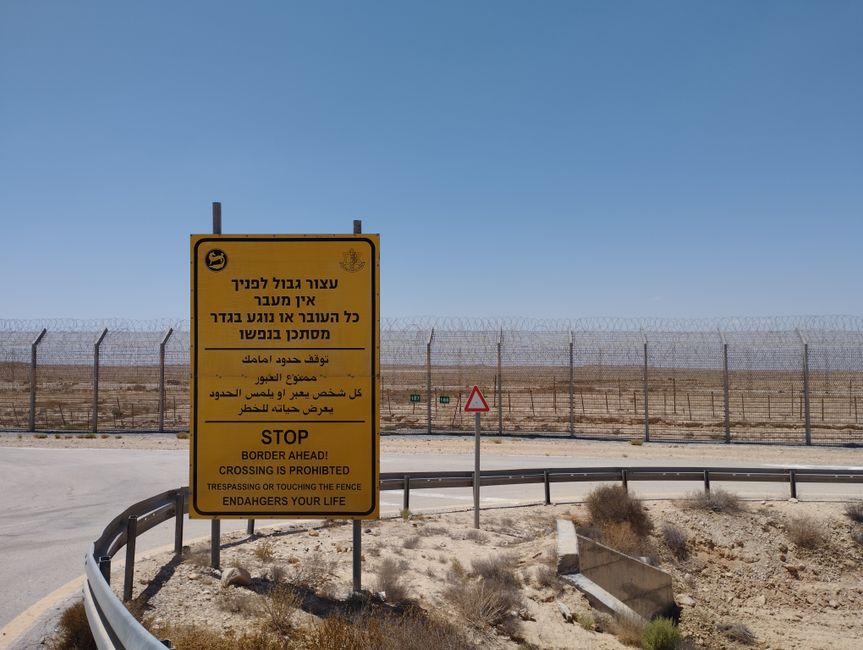
- Israel’s military has been directed to limit its actions in Lebanon to ease tensions, but its effectiveness remains uncertain.
- The conflict between Israel and Hezbollah has been ongoing for decades, with periods of relative calm punctuated by outbreaks of violence.
- The US-Iran peace deal is seen as a critical step towards reducing tensions in the Middle East, but the conflict between Israel and Hezbollah poses a significant challenge.
- The Israeli military’s actions in Lebanon have long been a point of contention, with Hezbollah vowing to retaliate against any perceived aggression.
- The international community is watching closely, with the US and other nations urging calm and restraint.
Israel has directed its military to limit its actions in Lebanon, following deadly clashes with Hezbollah that threatened to derail a preliminary US-Iran peace deal. The new directive, announced on Sunday, aims to reduce tensions in the region, but its effectiveness remains uncertain. The Israeli military’s actions in Lebanon have long been a point of contention, with Hezbollah vowing to retaliate against any perceived aggression. As the situation continues to unfold, the international community is watching closely, with the US and other nations urging calm and restraint.
Background on the Conflict

The conflict between Israel and Hezbollah has been ongoing for decades, with periods of relative calm punctuated by outbreaks of violence. The latest escalation began on Friday, with clashes between Israeli forces and Hezbollah militants resulting in multiple casualties. The violence has sparked concerns that the fragile peace in the region could be disrupted, with potentially far-reaching consequences. The US-Iran peace deal, which is still in its preliminary stages, is seen as a critical step towards reducing tensions in the Middle East, but the conflict between Israel and Hezbollah poses a significant challenge to its success.
Key Details of the Clashes

The clashes between Israeli forces and Hezbollah militants began on Friday, with both sides exchanging fire along the Lebanon-Israel border. The violence resulted in multiple casualties, including several Hezbollah fighters and at least one Israeli soldier. The Israeli military has stated that its actions were in response to Hezbollah’s aggression, while Hezbollah has vowed to continue fighting against Israeli aggression. The situation remains volatile, with both sides on high alert and the potential for further violence still present. The international community has urged calm and restraint, with the US and other nations calling for a peaceful resolution to the conflict.
Analysis of the Situation

The situation in Lebanon is complex and multifaceted, with a range of factors contributing to the ongoing tensions. The conflict between Israel and Hezbollah is fueled by a deep-seated animosity, with both sides having a long history of violence and aggression. The Israeli military’s actions in Lebanon have been a major point of contention, with Hezbollah vowing to retaliate against any perceived aggression. The US-Iran peace deal has added a new layer of complexity to the situation, with the potential for a broader regional conflict still present. According to reports from the New York Times, the situation remains volatile, with both sides on high alert and the potential for further violence still present.
Implications of the Conflict

The conflict between Israel and Hezbollah has significant implications for the region and beyond. The violence has sparked concerns that the fragile peace in the region could be disrupted, with potentially far-reaching consequences. The US-Iran peace deal, which is still in its preliminary stages, is seen as a critical step towards reducing tensions in the Middle East, but the conflict between Israel and Hezbollah poses a significant challenge to its success. The situation also has implications for the broader region, with the potential for a wider conflict still present. As noted by the BBC, the conflict has sparked concerns among regional leaders, who are urging calm and restraint.
Expert Perspectives
Experts are divided on the potential outcome of the conflict, with some warning of a wider regional war and others urging calm and restraint. According to some analysts, the conflict between Israel and Hezbollah is a symptom of a broader regional problem, with the US-Iran peace deal offering a potential solution. Others, however, warn that the situation is more complex, with a range of factors contributing to the ongoing tensions. As one expert noted, the situation requires a nuanced and multifaceted approach, with a range of stakeholders working together to reduce tensions and promote peace.
As the situation continues to unfold, it remains to be seen whether the new directive will be effective in reducing tensions. The international community will be watching closely, with the US and other nations urging calm and restraint. The conflict between Israel and Hezbollah is a complex and multifaceted issue, with a range of factors contributing to the ongoing tensions. As the situation continues to evolve, it is likely that new developments will emerge, and the international community will need to remain vigilant and adapt to the changing circumstances.
Source: The New York Times