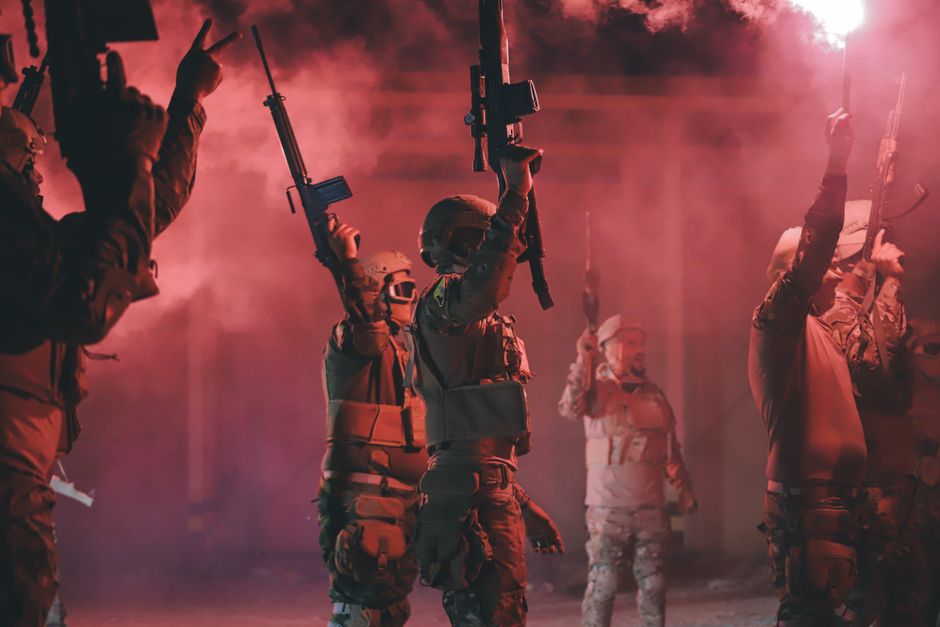
- Israel has directed its military to limit its actions in Lebanon to reduce escalating tensions between the two nations.
- The Israeli government’s decision is seen as a strategic move to avoid further provocation, despite underlying issues remaining unresolved.
- The current situation in Lebanon is marked by heightened tensions, with both sides maintaining a strong military presence along the border.
- The Israeli military’s decision to limit its actions is likely intended to prevent a wider conflict and allow for a diplomatic resolution.
- The ongoing tensions in Lebanon are rooted in a long history of conflict between Israel and its neighbors, dating back to the 2006 Lebanon War.
Israel has directed its military to limit its actions in Lebanon, a move aimed at reducing escalating tensions between the two nations. The decision comes as the region remains on high alert, with both countries maintaining a strong military presence along their shared border. The Israeli government’s decision to scale back its military operations is seen as a strategic move to avoid further provocation, although the underlying issues driving the conflict remain unresolved.
Current Tensions and Military Posture

The current situation in Lebanon is marked by heightened tensions, with Israel’s military limiting its actions in response to growing concerns over potential escalation. Key facts include the continued presence of Israeli troops along the border, as well as the reported mobilization of Lebanese military forces in response. Despite the reduced military operations, the region remains volatile, with both sides maintaining a state of readiness. The Israeli military’s decision to limit its actions is likely intended to prevent a wider conflict, while also allowing for a potential diplomatic resolution to the ongoing tensions.
Historical Context and Past Conflicts

The story behind the current tensions in Lebanon is rooted in a long history of conflict between Israel and its neighbors. Past conflicts, including the 2006 Lebanon War, have contributed to the ongoing tensions and mistrust between the two nations. The region’s complex history, including the presence of militant groups such as Hezbollah, has further complicated the situation. Understanding this historical context is crucial in grasping the complexities of the current conflict and the challenges faced by diplomats seeking a resolution. The Israeli government’s decision to limit its military actions in Lebanon must be seen in the context of this broader history, as well as the ongoing regional dynamics.
Key Players and Motivations

The individuals and groups shaping the current conflict in Lebanon are driven by a range of motivations, including national security concerns, political interests, and ideological beliefs. Israeli Prime Minister Benjamin Netanyahu has been a key figure in the current tensions, with his government’s actions reflecting a desire to maintain a strong military posture while also avoiding escalation. On the other side, Lebanese leaders, including President Michel Aoun, have sought to maintain stability and sovereignty in the face of Israeli military actions. The role of militant groups such as Hezbollah adds a further layer of complexity, with their actions and motivations influencing the decisions of both the Israeli and Lebanese governments.
Consequences and Implications

The consequences of the current tensions in Lebanon are far-reaching, with significant implications for stakeholders on both sides of the conflict. For Israel, the ongoing tensions pose a challenge to national security, while also potentially undermining diplomatic efforts to resolve the conflict peacefully. For Lebanon, the presence of Israeli military forces along the border poses a significant threat to sovereignty and stability, with the potential for escalation risking widespread harm to civilians and infrastructure. The international community, including the United States and European nations, has a critical role to play in supporting diplomatic efforts to resolve the conflict, with the potential for regional instability and conflict posing a threat to global security.
The Bigger Picture
The current conflict in Lebanon must be seen in the context of broader regional dynamics, including the ongoing tensions between Israel and Iran, as well as the role of militant groups such as Hezbollah. The conflict also reflects the complex interplay of national security concerns, political interests, and ideological beliefs that shape the decisions of leaders in the region. Understanding these dynamics is crucial in grasping the challenges faced by diplomats seeking a resolution to the conflict, as well as the potential consequences of failure. As noted by the New York Times, the situation in Lebanon remains highly volatile, with the potential for escalation posing a significant threat to regional stability.
In conclusion, the decision by Israel to limit its military actions in Lebanon reflects a complex interplay of national security concerns, political interests, and diplomatic efforts. As the situation continues to evolve, it is crucial that leaders on both sides of the conflict prioritize diplomacy and seek a peaceful resolution to the ongoing tensions. The international community has a critical role to play in supporting these efforts, with the potential consequences of failure posing a significant threat to regional stability and global security. As the region moves forward, it is essential that all parties prioritize a peaceful and diplomatic resolution to the conflict, seeking to address the underlying issues driving the tensions and promote a lasting and stable peace.
Source: The New York Times