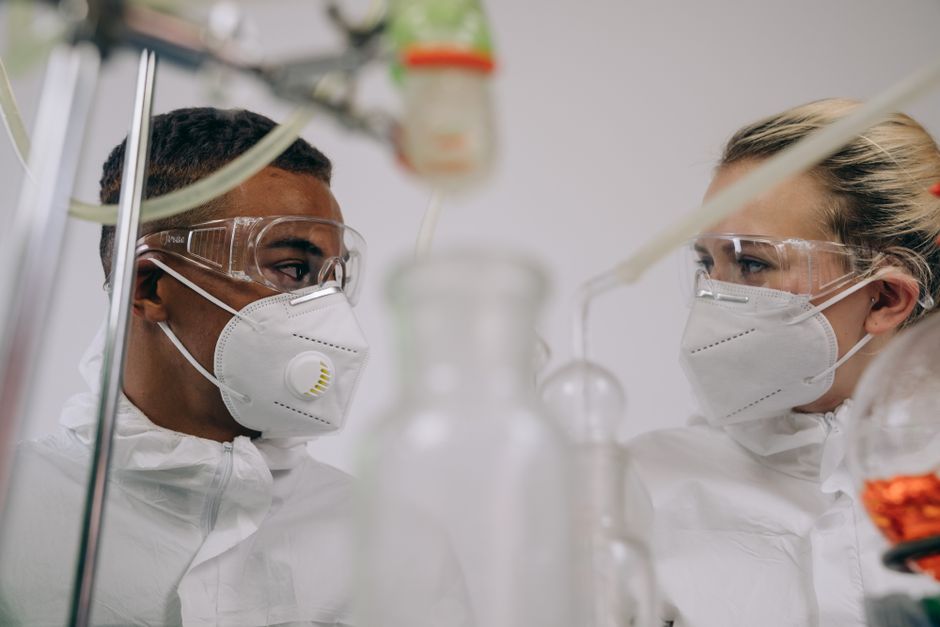
- Ebola and hantavirus are highly infectious and potentially deadly diseases that can spread rapidly and cause severe health complications.
- There is no specific treatment or vaccine available for hantavirus, making it a significant concern for public health officials.
- Ebola outbreaks have resulted in significant mortality rates, with some strains killing up to half of those infected.
- Hantavirus can spread between people, making it a global health concern and requiring close monitoring from health officials.
- Understanding the causes, symptoms, and prevention measures for Ebola and hantavirus is essential to preventing widespread outbreaks.
Ebola and hantavirus, two highly infectious and potentially deadly diseases, are once again in the spotlight, reminding health officials of the rapid spread and severity of infectious diseases. The World Health Organization (WHO) and the Centers for Disease Control and Prevention (CDC) are closely monitoring the situation, as these diseases can quickly become serious threats to public health. With their high mortality rates and potential for widespread outbreaks, it is essential to understand the causes, symptoms, and prevention measures for these diseases.
Understanding the Viruses

According to recent reports, hantavirus, often linked to rodents, can cause severe heart and lung complications, with no specific treatment or vaccine available. Certain strains of the virus can even spread between people, making it a significant concern for public health officials. Ebola, on the other hand, remains one of the world’s most feared diseases, with some outbreaks killing up to half of those infected. While vaccines and antivirals have improved outcomes for some strains, the disease still poses a significant threat to global health. Data from the WHO shows that Ebola outbreaks have resulted in significant mortality rates, with the 2014-2016 outbreak in West Africa being one of the most devastating, resulting in over 11,000 deaths.
Key Players and Response Efforts

Health officials, including the WHO and the CDC, are working together to respond to the outbreaks and prevent further spread. The CDC has issued guidelines for healthcare professionals, and the WHO has deployed teams to affected areas to provide support and guidance. Additionally, researchers are working to develop effective treatments and vaccines for these diseases, with several promising candidates currently in clinical trials.
Trade-Offs and Challenges

The response efforts to the outbreaks are not without challenges and trade-offs. The development of effective treatments and vaccines requires significant resources and funding, which can be difficult to secure, particularly in low-income countries. Furthermore, the implementation of public health measures, such as quarantine and contact tracing, can have significant social and economic impacts on affected communities. Balancing the need to protect public health with the need to minimize disruptions to daily life is a critical challenge for health officials.
Timing and Outbreak Dynamics

The timing of the outbreaks is critical, as the spread of the diseases can be influenced by various factors, including climate, human behavior, and animal migration patterns. The CDC and the WHO are closely monitoring the situation, as the outbreaks can quickly evolve and spread to new areas. Understanding the dynamics of the outbreaks is essential for developing effective response strategies and preventing further spread.
Where We Go From Here
Looking ahead, there are several possible scenarios for the next 6-12 months. One scenario is that the outbreaks will be brought under control through the implementation of effective public health measures and the development of new treatments and vaccines. Another scenario is that the diseases will continue to spread, potentially leading to significant mortality rates and social and economic disruptions. A third scenario is that the outbreaks will highlight the need for increased investment in global health infrastructure and research, leading to improved preparedness and response capabilities for future outbreaks.
In conclusion, the outbreaks of Ebola and hantavirus highlight the significant threats posed by infectious diseases and the need for continued investment in global health infrastructure and research. As the situation continues to evolve, it is essential to remain vigilant and adapt response strategies to the changing dynamics of the outbreaks.
Source: ScienceDaily