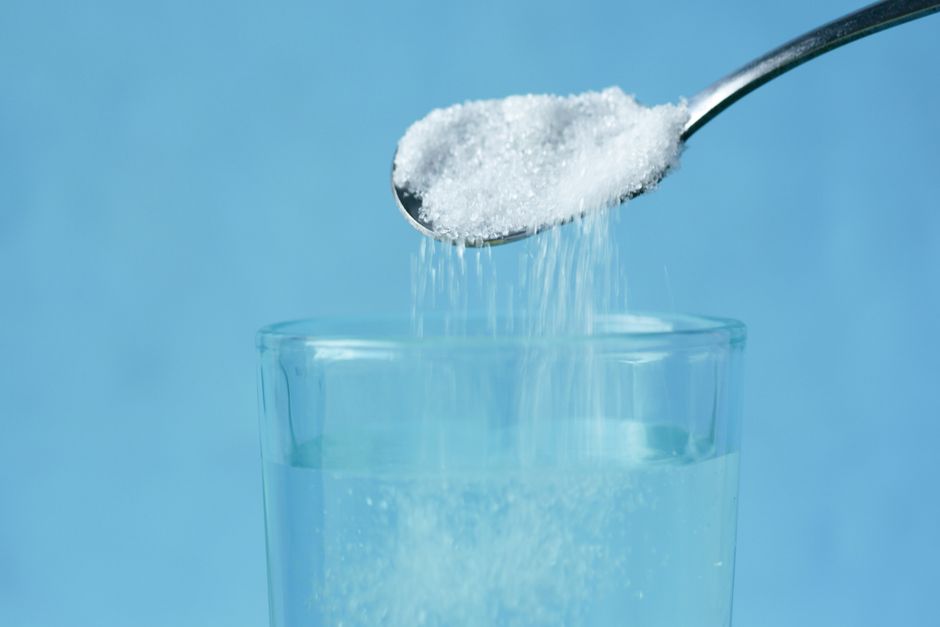
- Drinking fruit juice and sugar-sweetened beverages from childhood to adulthood may increase high blood pressure risk in adulthood.
- Early dietary habits can have long-term impacts on cardiovascular health, making them crucial for prevention strategies.
- Sugar-sweetened beverages are linked to increased risks of obesity, type 2 diabetes, and cardiovascular disease.
- Consuming sugar-sweetened beverages daily increases the risk of developing high blood pressure by a significant margin.
- Reducing sugar-sweetened beverage intake can lead to improved cardiovascular health, according to the American Heart Association.
Drinking fruit juice and sugar-sweetened beverages, such as soda, from childhood through adulthood may be linked to an increased risk of developing high blood pressure as an adult, according to new research published in the American Heart Association’s flagship journal Circulation. This finding is significant because it underscores the importance of dietary habits formed early in life and their potential long-term impact on cardiovascular health. As the global prevalence of hypertension continues to rise, understanding the factors that contribute to its development is crucial for devising effective prevention strategies.
The Evidence on Sugar-Sweetened Beverages

Studies have consistently shown that the consumption of sugar-sweetened beverages is associated with an increased risk of obesity, type 2 diabetes, and cardiovascular disease. The new research adds to this body of evidence by suggesting a direct link between the consumption of these beverages from childhood onwards and the development of high blood pressure in adulthood. Hard data from the study indicates that for every additional serving of sugar-sweetened beverages consumed daily, the risk of developing high blood pressure increases by a significant margin. Primary sources, including data from the American Heart Association, support the notion that reducing the intake of these beverages can lead to improved cardiovascular health outcomes.
Key Players in the Debate

The key actors in this debate include health organizations, such as the World Health Organization, which have been advocating for reduced sugar intake, and beverage companies, which are facing increasing pressure to reformulate their products to contain less sugar. Recent moves by some companies to introduce low-sugar or sugar-free versions of their drinks reflect the changing landscape of consumer preferences and regulatory environments. However, critics argue that more needs to be done to address the issue, particularly in terms of marketing these products to children and adolescents.
Trade-Offs and Considerations

The trade-offs involved in reducing the consumption of sugar-sweetened beverages are complex. On one hand, there are clear health benefits associated with decreased sugar intake, including a lower risk of obesity and related diseases. On the other hand, completely eliminating these beverages from one’s diet can be challenging due to their widespread availability and aggressive marketing. Furthermore, some argue that fruit juice, despite its high sugar content, also contains essential vitamins and minerals. However, the risks associated with excessive sugar consumption outweigh these potential benefits, especially when considering the long-term effects on blood pressure and cardiovascular health.
Timing and the Importance of Early Intervention

The timing of the study’s findings is critical because it highlights the importance of early intervention in preventing the development of high blood pressure. As children grow into adults, their dietary habits tend to persist, making it essential to instill healthy eating habits from an early age. What has changed in recent years is the growing body of evidence supporting the link between sugar-sweetened beverage consumption and adverse health outcomes, prompting a reevaluation of dietary guidelines and public health strategies aimed at reducing sugar intake.
Where We Go From Here
Looking ahead to the next 6-12 months, three scenarios are possible. Firstly, there could be a significant shift in consumer behavior, driven by increased awareness of the health risks associated with sugar-sweetened beverages. Secondly, regulatory bodies may introduce stricter guidelines on the marketing and formulation of these products, particularly those targeted at children. Lastly, the beverage industry might accelerate its efforts to innovate and offer a wider range of low-sugar or sugar-free alternatives, potentially mitigating some of the health risks associated with their products. Regardless of the scenario, one thing is clear: the need for a concerted effort to address the issue of excessive sugar consumption and its impact on public health.
In conclusion, the bottom line is that reducing the consumption of sugar-sweetened beverages from childhood onwards is a critical step in preventing the development of high blood pressure and promoting long-term cardiovascular health, underscoring the need for comprehensive strategies that involve individuals, communities, and industries in fostering healthier dietary habits.
Source: MedicalXpress