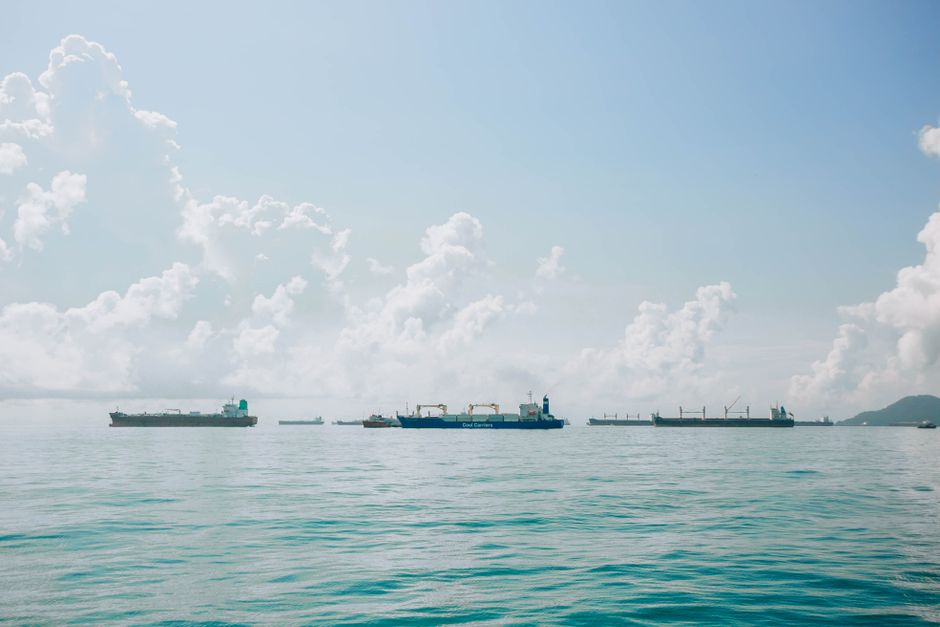
- Iran’s declaration of the Strait of Hormuz shutdown has caused a 70% drop in shipping transits, disrupting the global oil trade.
- The shutdown threatens to destabilize the fragile peace framework in place between Iran and the US.
- Oil-producing countries and global economic leaders are concerned about increased oil prices and decreased economic stability.
- The US and Iranian officials are holding talks to save the peace framework, but the outcome is uncertain.
- The Strait of Hormuz is a critical waterway connecting the Persian Gulf to the Gulf of Oman, vital for global oil trade.
The question on everyone’s mind is what happens when a critical waterway for global oil trade is disrupted. The answer lies in the Strait of Hormuz, where shipping has stalled after Iran declared the key waterway shut. With a sharp fall in transits, the move has sparked concerns over the stability of the global oil market and the potential for an escalation of tensions between Iran and the US. The shutdown matters now because it threatens to disrupt the fragile peace framework that has been in place, and readers should care about the potential economic and geopolitical implications.
Understanding the Strait of Hormuz Shutdown

The Strait of Hormuz is a vital waterway that connects the Persian Gulf to the Gulf of Oman, and it is a critical passage for global oil trade. Iran’s declaration of the shutdown has caused a significant drop in shipping transits, with some reports indicating a 70% decrease. This has raised concerns among oil-producing countries and global economic leaders, as the disruption could lead to increased oil prices and decreased economic stability. The US and Iranian officials are holding talks to save the fragile peace framework, but the outcome is still uncertain.
Supporting Evidence and Data

Ship tracking data shows a sharp fall in transits through the Strait of Hormuz, confirming the significant impact of Iran’s declaration. According to Al Jazeera, the shutdown has caused a significant backlog of ships waiting to pass through the strait. Experts warn that the disruption could lead to increased oil prices, decreased economic stability, and potentially even a global recession. The data and quotes from officials suggest that the situation is critical, and a resolution is needed soon to avoid further escalation.
Counter-Perspectives and Skeptics

Some skeptics argue that the shutdown is a negotiating tactic by Iran to gain leverage in its talks with the US. Others believe that the move is a response to the US’s withdrawal from the Joint Comprehensive Plan of Action (JCPOA) and the reimposition of sanctions. However, most experts agree that the shutdown is a serious escalation of tensions and could have far-reaching consequences. The Reuters reports that the US has warned Iran of severe consequences if the shutdown continues, highlighting the gravity of the situation.
Real-World Impact and Consequences

The shutdown of the Strait of Hormuz has significant real-world implications, from increased oil prices to decreased economic stability. The disruption could lead to a shortage of oil supplies, causing prices to rise and potentially leading to a global recession. The consequences of the shutdown are not limited to the oil market; it could also lead to an escalation of tensions between Iran and the US, potentially drawing in other countries and leading to a wider conflict. The situation is critical, and a resolution is needed soon to avoid further escalation and potential catastrophic consequences.
What This Means For You
The practical takeaway for the reader is that the shutdown of the Strait of Hormuz is a critical situation that requires attention and monitoring. The potential consequences of the shutdown are far-reaching, and it is essential to stay informed about the developments. As the situation unfolds, it is crucial to consider the potential impact on the global economy, oil prices, and geopolitical stability. The key is to stay vigilant and prepared for any eventuality, as the situation could change rapidly.
The open question for further inquiry is what will happen next in the talks between the US and Iranian officials. Will they be able to reach a resolution and save the fragile peace framework, or will the situation escalate further? The answer to this question will have significant implications for the global economy, oil trade, and geopolitical stability. As the situation continues to unfold, it is essential to monitor the developments and consider the potential consequences of different outcomes.
Source: Al Jazeera