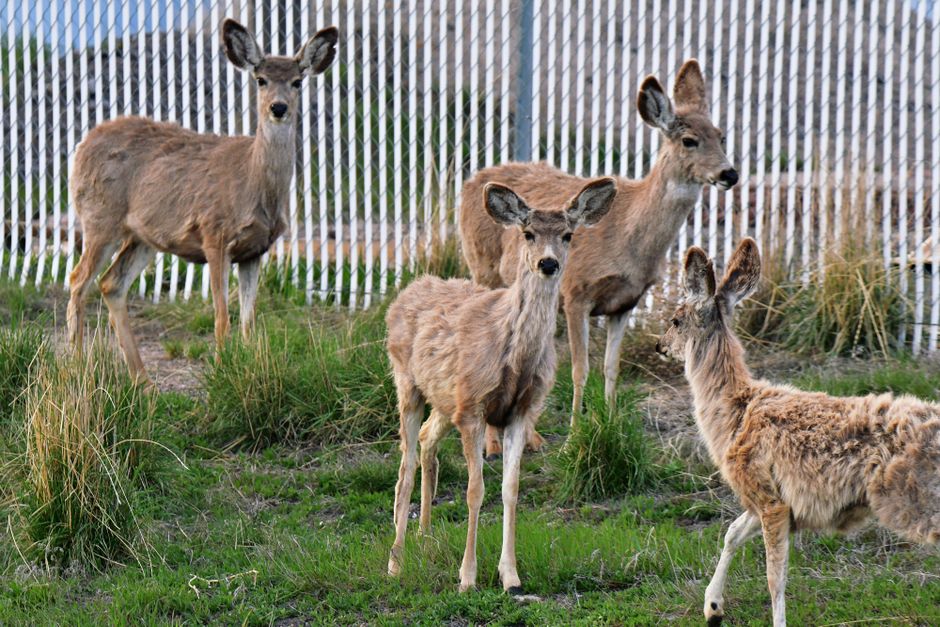
- A new study reveals that chronic wasting disease can spread silently across species.
- Chronic wasting disease is a fatal neurological disorder affecting deer, elk, and moose.
- The disease can transmit between animals through direct contact or contaminated environments.
- The spread of chronic wasting disease has significant implications for wildlife management and human health.
- Researchers warn that the disease’s ability to evolve and spread increases the potential for transmission to humans.
What happens when a deadly disease spreads silently across species, with infectious agents present even in animals showing no symptoms? A new study explores the potential cross-species spread of chronic wasting disease, a fatal neurological disorder affecting deer, elk, and moose, and raises important questions about human risk. Chronic wasting disease has been found in wild and farmed animals in several countries, including the United States, Canada, and Norway, and researchers say its ability to evolve and spread warrants close attention.
Understanding Chronic Wasting Disease

Chronic wasting disease is a type of prion disease, caused by misfolded proteins that can transmit between animals through direct contact or contaminated environments. The disease has been detected in over 30 states and provinces in North America, and its spread has significant implications for wildlife management and human health. While there is currently no confirmed human risk, researchers warn that the disease’s ability to evolve and spread across species increases the potential for transmission to humans. According to the Centers for Disease Control and Prevention, the exact risk of chronic wasting disease transmission to humans is still unknown.
Evidence of Silent Spread

The new study found that chronic wasting disease can sometimes spread silently, with infectious prions present even in animals that show no symptoms. This means that animals can carry the disease without displaying any visible signs, making it difficult to detect and track. The study’s findings are based on data from over 1,000 animals tested for chronic wasting disease, and the results have significant implications for disease management and control. As reported by Science Daily, the study’s authors warn that the silent spread of chronic wasting disease increases the risk of transmission to other species, including humans.
Counter-Perspectives and Limitations

While the study’s findings are significant, some researchers argue that the risk of chronic wasting disease transmission to humans is still relatively low. They point out that there have been no confirmed cases of human infection with chronic wasting disease, despite decades of exposure to infected animals. However, others argue that the lack of confirmed cases does not necessarily mean that the risk is low, and that more research is needed to fully understand the potential risks. Additionally, the study’s authors acknowledge that their findings are based on a limited sample size and that more research is needed to confirm the results.
Real-World Impact

The potential cross-species spread of chronic wasting disease has significant implications for wildlife management, agriculture, and human health. If the disease were to spread to other species, including livestock or humans, it could have devastating consequences for animal and human health, as well as the economy. For example, a outbreak of chronic wasting disease in livestock could lead to significant economic losses for farmers and the agriculture industry. Similarly, if the disease were to spread to humans, it could lead to a significant public health crisis.
What This Means For You
The study’s findings highlight the importance of continued research and monitoring of chronic wasting disease. While the risk of transmission to humans is still unknown, it is essential to take precautions when handling or consuming wild game meat, and to support efforts to control and manage the disease in wildlife populations. By staying informed and taking action, individuals can help reduce the risk of transmission and protect both animal and human health.
As researchers continue to study chronic wasting disease, one key question remains: what other species may be at risk of infection? Further research is needed to fully understand the potential risks and to develop effective strategies for disease management and control. As the disease continues to evolve and spread, it is essential to stay vigilant and to prioritize continued research and monitoring to protect both animal and human health.
Source: ScienceDaily