- Newborns’ brains have the hardware for thought and conscious awareness.
- Infants’ neural structures for thought and consciousness are present from birth.
- Default mode network in newborns suggests complex mental processes.
- Brain development is not solely postnatal; birth is a crucial stage.
- Study of infant brain development is a rapidly evolving field.
Our brains have their first thoughts surprisingly early in life, with research suggesting that infants as young as newborns may possess the capacity for thought and conscious awareness. By the time we’re born, our brains have all the hardware in place to form thoughts, and possibly even some conscious awareness. This challenges traditional notions of brain development, which often emphasize the importance of postnatal experience in shaping our cognitive abilities.
The Science Behind Infant Brain Development

Studies have shown that the neural structures responsible for thought and consciousness are present in infants from a very early age. For example, research has found that the default mode network, a set of brain regions involved in introspection and self-reflection, is active in newborns. This suggests that infants may be capable of complex mental processes, including thinking and problem-solving, from a surprisingly early age. According to New Scientist, the findings have significant implications for our understanding of human brain development.
Key Players in Infant Brain Research

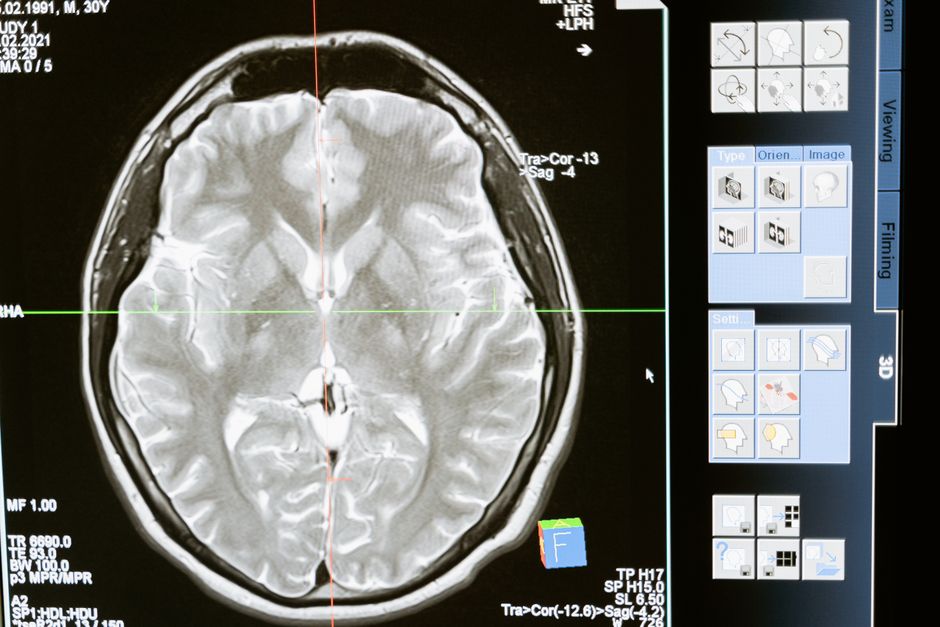
The study of infant brain development is a rapidly evolving field, with researchers from around the world contributing to our understanding of this complex and fascinating topic. Key players in this field include neuroscientists, psychologists, and pediatricians, who are working together to uncover the secrets of infant brain development. Recent moves in this field have included the use of advanced neuroimaging techniques, such as functional magnetic resonance imaging (fMRI), to study the developing brain. These techniques have enabled researchers to non-invasively examine the structure and function of the infant brain, providing valuable insights into the neural mechanisms underlying thought and consciousness.
The Trade-Offs of Early Brain Development

While the findings of early brain development are exciting, they also raise important questions about the potential costs and benefits of this rapid growth. On the one hand, the early development of thought and consciousness may provide infants with a head start in terms of cognitive ability, enabling them to adapt more quickly to their environment and learn from experience. On the other hand, this rapid development may also come at a cost, potentially increasing the risk of neurodevelopmental disorders such as autism and schizophrenia. As researchers continue to explore the complexities of infant brain development, it is essential to consider these trade-offs and to work towards a deeper understanding of the underlying mechanisms.
Timing is Everything

So why are we only now beginning to appreciate the complexity of infant brain development? One reason is that recent advances in neuroimaging and other technologies have enabled researchers to study the developing brain in greater detail than ever before. Additionally, a growing recognition of the importance of early experience in shaping lifelong health and wellbeing has led to increased investment in this area of research. As a result, we are now able to ask more sophisticated questions about the nature of infant brain development, and to explore the implications of these findings for our understanding of human cognition and behavior.
Where We Go From Here
Looking to the future, there are several potential scenarios for the next 6-12 months in infant brain research. One possibility is that researchers will continue to refine our understanding of the neural mechanisms underlying thought and consciousness in infancy, leading to new insights into the nature of human cognition. Another possibility is that the findings of early brain development will be translated into practical applications, such as new approaches to early childhood education or interventions for neurodevelopmental disorders. Finally, it is possible that the study of infant brain development will lead to a deeper understanding of the complex interplay between genetic and environmental factors in shaping human behavior, with significant implications for fields such as psychology and education.
Bottom line: the discovery that our brains have their first thoughts surprisingly early in life challenges traditional notions of brain development and highlights the complexity and sophistication of the infant brain, with significant implications for our understanding of human cognition and behavior.
Source: New Scientist