- Future lunar missions may uncover the Moon’s deepest secrets by walking on mantle rocks that were blasted from the interior.
- A colossal ancient collision formed the giant South Pole-Aitken basin and brought material from the Moon’s mantle to the surface.
- The collision was likely caused by a low-angle strike from a large, iron-cored object over 3.9 billion years ago.
- NASA’s Artemis program aims to return humans to the Moon by 2025 and establish a sustainable presence on the lunar surface.
- Private companies like SpaceX and Blue Origin are also involved in lunar exploration, with significant implications for future research.
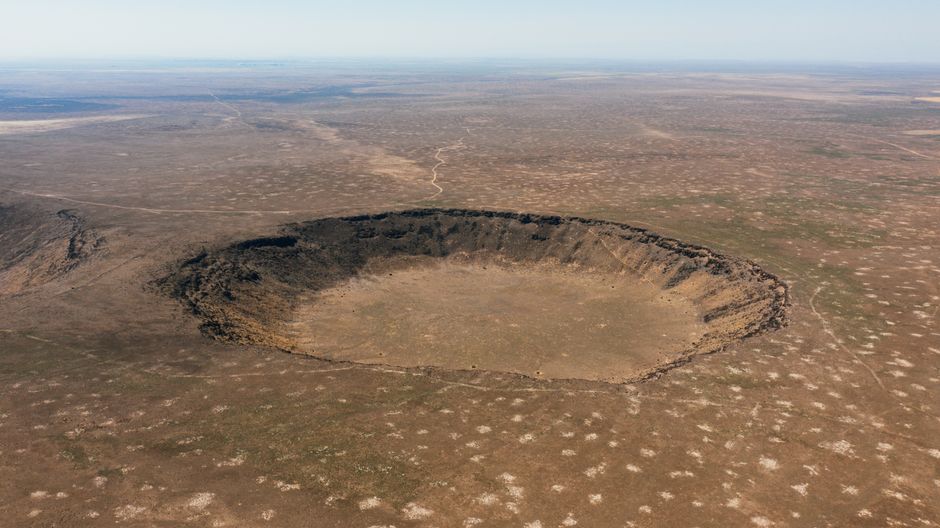
Forthcoming lunar missions may uncover the Moon’s deepest secrets as scientists suggest that future astronauts could walk across rocks from deep inside the Moon. A colossal ancient collision, which formed the giant South Pole-Aitken basin, may have blasted material from the Moon’s mantle and brought it to the surface. This discovery is crucial as it provides insight into the Moon’s internal structure and composition, and could have significant implications for future lunar exploration.
The Ancient Collision Evidence

By recreating the impact that formed the South Pole-Aitken basin, scientists found that a low-angle strike from a large, iron-cored object was responsible for the massive crater. The research suggests that this strike was powerful enough to blast material from deep inside the Moon, including mantle rocks, and deposit them near the surface. According to recent studies, this collision may have occurred over 3.9 billion years ago, providing a unique window into the Moon’s early history.
The Key Players in Lunar Exploration

NASA’s Artemis program is at the forefront of lunar exploration, with plans to return humans to the Moon by 2025. The program’s objectives include establishing a sustainable presence on the lunar surface and conducting extensive scientific research. Private companies, such as SpaceX and Blue Origin, are also playing a crucial role in the development of lunar exploration technologies. The discovery of mantle rocks near the surface could provide these organizations with valuable insights into the Moon’s internal structure and composition.
The Trade-Offs of Lunar Exploration

While the discovery of mantle rocks near the surface presents significant opportunities for scientific research, it also poses several challenges. The harsh lunar environment, lack of resources, and radiation exposure are just a few of the obstacles that future astronauts will face. Furthermore, the cost of lunar exploration is substantial, and the benefits of such missions must be carefully weighed against the risks. However, the potential rewards of uncovering the Moon’s deepest secrets make the challenges worthwhile, as they could lead to a greater understanding of the Moon’s history and the development of new technologies.
The Timing of Lunar Exploration

The discovery of mantle rocks near the surface is particularly significant given the current state of lunar exploration. With NASA’s Artemis program and private companies pushing the boundaries of space technology, the timing is ripe for a new era of lunar exploration. The fact that these rocks may be accessible to future astronauts makes the prospect of uncovering the Moon’s deepest secrets even more exciting. As NASA and other organizations continue to develop new technologies and strategies for lunar exploration, the potential for groundbreaking discoveries is vast.
Where We Go From Here
Over the next 6-12 months, several scenarios could unfold in the field of lunar exploration. Firstly, NASA’s Artemis program could successfully establish a sustainable presence on the lunar surface, paving the way for extensive scientific research. Secondly, private companies could make significant breakthroughs in the development of lunar exploration technologies, reducing the cost and increasing the accessibility of space travel. Finally, the discovery of mantle rocks near the surface could lead to a greater understanding of the Moon’s internal structure and composition, revealing new insights into the Moon’s history and the formation of the solar system.
In conclusion, the discovery that future astronauts could walk across rocks from deep inside the Moon is a significant breakthrough in the field of lunar exploration. As scientists continue to uncover the Moon’s deepest secrets, the potential for groundbreaking discoveries is vast, and the implications for our understanding of the Moon’s history and the development of new technologies are substantial. The future of lunar exploration is bright, and the next few years will be crucial in determining the course of this exciting and rapidly evolving field.
Source: ScienceDaily