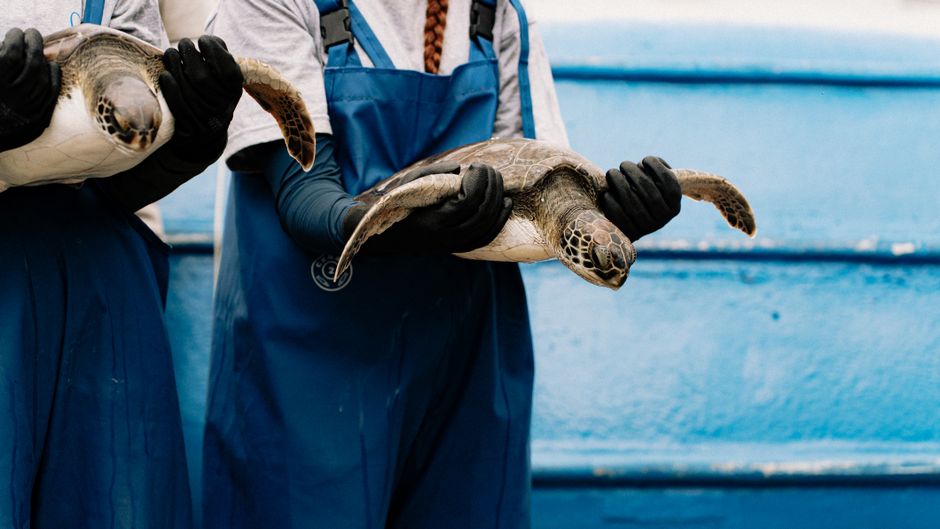
- Dedicated conservationist Mona Kahlil was killed in an Israel strike while defending endangered sea turtles in Lebanon.
- The loss of Mona Kahlil is a significant blow to sea turtle conservation in the region, highlighting the human cost of conflict on environmental efforts.
- The conservation of sea turtles is crucial to maintaining healthy marine ecosystems, and their loss could have far-reaching consequences for the environment.
- Mona Kahlil’s 25 years of work had a profound impact on protecting endangered sea turtles and their habitats in Lebanon.
- The Israel strike that killed Mona Kahlil has raised concerns about the escalation of violence in the region and its impact on civilian life and environmental conservation.
Mona Kahlil, a dedicated conservationist who spent 25 years protecting endangered sea turtles in Lebanon, was killed in a recent Israel strike in the country. The incident occurred near Tyre, Lebanon, where Ms. Kahlil ran a guesthouse and worked tirelessly to safeguard the turtles’ nesting sites. Her death has sparked widespread outrage and concern for the future of sea turtle conservation in the region, highlighting the human cost of conflict on environmental efforts.
Background and Conservation Efforts

The loss of Mona Kahlil is a significant blow to the conservation community, as her work had a profound impact on the protection of endangered sea turtles. For over two decades, Ms. Kahlil dedicated herself to preserving the turtles’ habitat and ensuring the survival of their species. Her guesthouse, located near the turtles’ nesting sites, served as a hub for conservation efforts, providing a safe haven for the turtles and a platform for educational initiatives. The conservation of sea turtles is crucial, as these creatures play a vital role in maintaining the health of marine ecosystems, and their loss could have far-reaching consequences for the environment.
The Israel Strike and Its Consequences

The Israel strike that resulted in Ms. Kahlil’s death has raised concerns about the escalation of violence in the region and its impact on civilian life and environmental conservation. The incident has sparked outrage among conservationists and human rights activists, who argue that the conflict is not only harming humans but also devastating the environment. The strike has also highlighted the vulnerability of conservation efforts in conflict zones, where the protection of endangered species often takes a backseat to human security concerns. As the situation in Lebanon continues to deteriorate, there are fears that the conservation of sea turtles and other endangered species may be compromised.
Analysis of the Conflict’s Environmental Impact

The conflict in Lebanon has had a devastating impact on the environment, with the destruction of habitats, the pollution of water sources, and the loss of biodiversity. The killing of Mona Kahlil has brought attention to the human cost of the conflict, but it also highlights the need to consider the environmental consequences of war. According to reports, the conflict has already led to the destruction of several protected areas, including nature reserves and wildlife sanctuaries. The long-term effects of the conflict on the environment are still unknown, but it is clear that the conservation of endangered species like the sea turtle will be a significant challenge in the years to come.
Implications for Conservation Efforts

The death of Mona Kahlil has significant implications for conservation efforts in Lebanon and beyond. Her work had inspired a generation of conservationists, and her loss will be deeply felt. The incident has also raised concerns about the safety of conservationists working in conflict zones, where they often face significant risks to their lives. As the conservation community mourns the loss of Ms. Kahlil, there is a growing recognition of the need to protect not only endangered species but also the people who dedicate their lives to conservation. The international community must come together to support conservation efforts in conflict zones and to ensure that the protection of endangered species is not compromised by human conflict.
Expert Perspectives
Conservation experts and human rights activists have condemned the killing of Mona Kahlil, highlighting the need for greater protection of civilians and the environment in conflict zones. According to experts, the conservation of endangered species like the sea turtle requires a concerted effort from governments, NGOs, and local communities. The killing of Ms. Kahlil has underscored the importance of protecting conservationists and the environments in which they work, and the need for a more nuanced approach to conflict resolution that takes into account the environmental consequences of war.
As the situation in Lebanon continues to unfold, the international community will be watching closely to see how the conflict affects conservation efforts in the region. The death of Mona Kahlil has raised important questions about the protection of endangered species in conflict zones, and the need for a more sustainable approach to conservation that prioritizes both human and environmental security. As the world mourns the loss of a dedicated conservationist, there is a growing recognition of the need to support conservation efforts in conflict zones and to ensure that the protection of endangered species is not compromised by human conflict.
Source: The New York Times