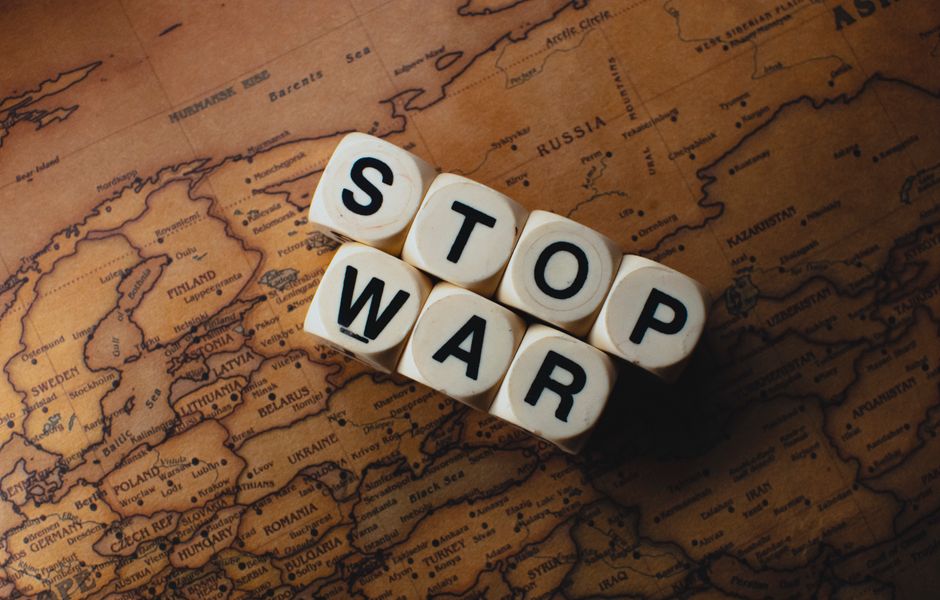
- A cease-fire agreement has been reached in Lebanon after 8 days of fighting between Israel and Hezbollah.
- The truce was brokered by diplomats from the United States and other European nations, marking a rare instance of cooperation between the two nations.
- The cease-fire has brought a temporary halt to the fighting in the region, with talks on a long-term peace deal expected to resume in the near future.
- The fragile U.S.-Iran truce has the potential to be bolstered by the cooperation between the United States and Iran in brokering the cease-fire.
- The international community is watching the situation closely, with hopes that the cease-fire will lead to a more permanent peace agreement in the region.
The United States and Iran have taken a crucial step towards stabilizing the Middle East, as a cease-fire agreement has been reached in Lebanon after a tumultuous start to the negotiations. The truce, which was agreed upon by Israel and Hezbollah, has brought a temporary halt to the fighting in the region, and talks on a long-term peace deal are expected to resume in the near future. The development is significant, as it marks a rare instance of cooperation between the two nations, and has the potential to bolster the fragile U.S.-Iran truce.
Current State of the Cease-Fire

The cease-fire agreement, which was brokered by diplomats from the United States and other European nations, has been in effect for several days, and so far, it has held. The agreement was reached after Iran pulled out of peace talks, citing Israeli strikes in Lebanon, but hours later, Israel and Hezbollah agreed to halt fighting in the region. The current situation is delicate, with both sides maintaining a cautious stance, but the fact that the fighting has stopped is a positive development. The international community is watching the situation closely, and there are hopes that the cease-fire will lead to a more permanent peace agreement in the region.
History of the Conflict

The conflict in Lebanon has a long and complex history, with roots dating back to the civil war in the 1970s and 1980s. The region has been a battleground for various factions, including Hezbollah, Israel, and other militant groups. The situation has been further complicated by the involvement of external powers, including the United States and Iran, which have often found themselves on opposite sides of the conflict. The history of the conflict is marked by periods of intense fighting, followed by fragile cease-fires and failed peace agreements. However, the current cease-fire agreement offers a glimmer of hope that a more lasting peace may be possible.
Key Players and Motivations

The key players in the conflict are Israel, Hezbollah, the United States, and Iran. Each of these parties has its own motivations and interests, which have driven the conflict to date. Israel is concerned about the threat posed by Hezbollah, which it views as a terrorist organization, while Hezbollah is determined to defend its territory and people against Israeli aggression. The United States has been attempting to broker a peace agreement, while Iran has been providing support to Hezbollah. The motivations of these parties are complex and multifaceted, but ultimately, they are all seeking to advance their own interests and protect their own people.
Consequences of the Cease-Fire

The consequences of the cease-fire agreement are significant, and will be felt by various stakeholders in the region. For Israel and Hezbollah, the agreement offers a temporary reprieve from the fighting, and a chance to regroup and reassess their positions. For the United States and Iran, the agreement has the potential to bolster their relationship, and create a foundation for further cooperation in the region. However, the agreement is fragile, and there are many potential pitfalls that could derail the peace process. The international community will be watching the situation closely, and will be working to support the parties in their efforts to achieve a lasting peace.
The Bigger Picture
The cease-fire agreement in Lebanon is part of a larger landscape of conflict and diplomacy in the Middle East. The region is home to numerous conflicts, including the wars in Syria and Yemen, and the ongoing tensions between Iran and Saudi Arabia. The agreement in Lebanon has the potential to have a positive impact on these other conflicts, by creating a model for peaceful resolution and cooperation. However, the region is also marked by deep-seated divisions and rivalries, which will make it difficult to achieve a lasting peace. As reported by the New York Times, the situation in the Middle East is complex and multifaceted, and will require sustained effort and diplomacy to resolve.
The cease-fire agreement in Lebanon is a significant development, and offers a glimmer of hope that a more lasting peace may be possible in the region. However, the agreement is fragile, and there are many potential pitfalls that could derail the peace process. As the parties move forward, they will need to be cautious and flexible, and willing to make compromises in order to achieve a lasting peace. The international community will be watching the situation closely, and will be working to support the parties in their efforts to achieve a peaceful resolution to the conflict. For more information on the conflict in Lebanon, visit Wikipedia.
Source: The New York Times