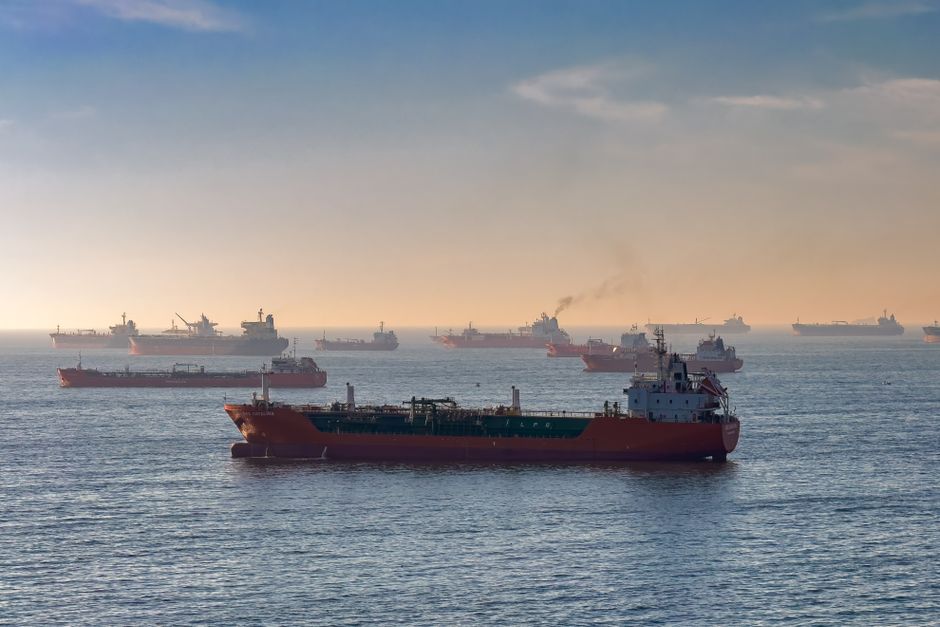
- The US and Iran are set to begin diplomatic talks in Switzerland to address rising tensions over the Strait of Hormuz.
- The Strait of Hormuz, a vital shipping lane, has been a point of contention between the US and Iran for years, with Iran claiming to have closed it.
- The US disputes Iran’s claim, citing it as a response to Israeli attacks in Lebanon, which Tehran views as a provocation.
- The potential closure of the Strait of Hormuz could disrupt international oil trade and lead to a significant increase in prices.
- The US is working to ease tensions in the region, with Secretary of State Antony Blinken emphasizing the importance of diplomacy in resolving the conflict.
The United States and Iran are set to begin diplomatic talks in Switzerland, amidst rising tensions over the Strait of Hormuz, a crucial waterway in the Middle East. Iran claims to have closed the strait, a move the US disputes, citing it as a response to Israeli attacks in Lebanon. The talks, scheduled to take place in the coming days, aim to address the escalating situation and find a resolution to the ongoing conflict.
Background and Context

The Strait of Hormuz, a vital shipping lane, has been a point of contention between the US and Iran for years. The waterway, which connects the Persian Gulf to the Gulf of Oman, is a critical route for international oil trade. Iran’s claim of closing the strait has raised concerns among global leaders, as it could potentially disrupt oil supplies and lead to a significant increase in prices. The US has been working to ease tensions in the region, with Secretary of State Antony Blinken emphasizing the importance of diplomacy in resolving the conflict.
Key Details and Developments

The current situation in the Strait of Hormuz is complex, with both the US and Iran presenting differing accounts of the events unfolding. Iran’s claim of closing the strait is reportedly in response to Israeli attacks in Lebanon, which Tehran views as a provocation. The US, however, disputes Iran’s claim, stating that the strait remains open to international shipping. The talks in Switzerland are expected to focus on de-escalating the situation and finding a mutually acceptable solution. The BBC reports that the European Union is also engaged in efforts to mediate the conflict, with diplomats working to establish a dialogue between the parties involved.
Analysis and Implications

The situation in the Strait of Hormuz has significant implications for global security and the economy. A closure of the strait could lead to a substantial increase in oil prices, affecting countries around the world. The conflict also has the potential to draw in other regional players, including Saudi Arabia and the United Arab Emirates, which could further escalate the situation. Analysts warn that the situation is delicate and requires careful diplomacy to prevent further conflict. The US and Iran must work to establish trust and find common ground, a challenging task given the historical tensions between the two nations.
Regional and Global Implications

The conflict in the Strait of Hormuz has far-reaching implications, affecting not only the region but also the global economy. The potential disruption to oil supplies could have a significant impact on countries reliant on imported oil, including the US, China, and India. The situation also raises concerns about the stability of the region, with the potential for conflict to spread to other areas. The international community is watching the situation closely, with leaders calling for calm and restraint. The New York Times reports that the United Nations is working to establish an emergency meeting to address the situation and prevent further escalation.
Expert Perspectives
Experts offer differing perspectives on the situation in the Strait of Hormuz, with some warning of the potential for further conflict and others expressing optimism about the talks in Switzerland. Dr. Sanam Vakil, a Middle East expert at the Chatham House, notes that the situation is complex and requires careful diplomacy. In contrast, Dr. Trita Parsi, founder of the National Iranian American Council, expresses hope that the talks in Switzerland could lead to a breakthrough in relations between the US and Iran.
As the situation in the Strait of Hormuz continues to unfold, it is essential to watch for developments in the talks in Switzerland and the potential for further conflict in the region. The international community must work together to establish a peaceful resolution to the conflict, one that addresses the concerns of all parties involved. The coming days will be critical in determining the course of events, with the potential for either a significant escalation or a breakthrough in relations between the US and Iran.
Source: BBC