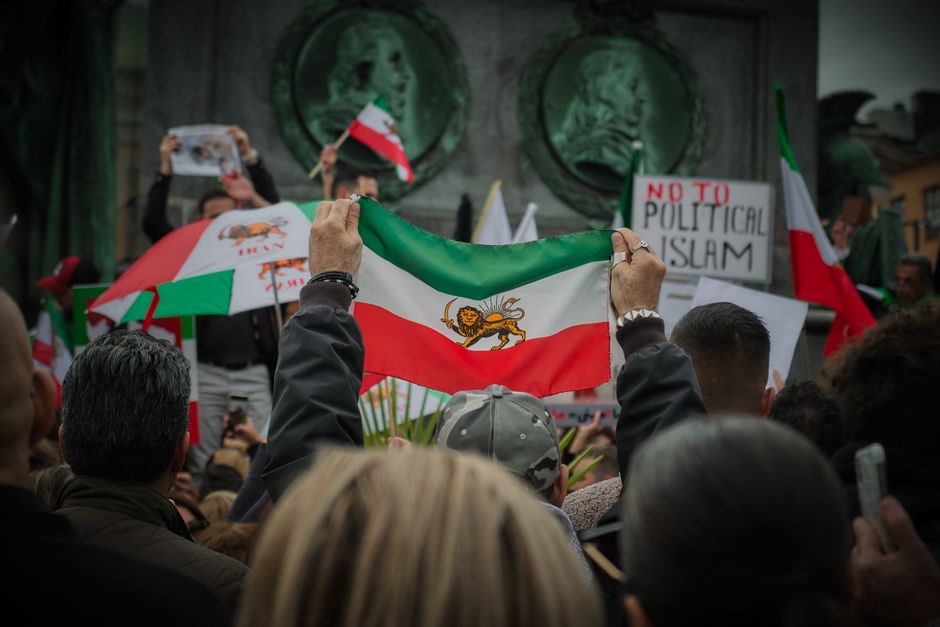
- The US and Iran have signed a 14-point deal to end the war between the two nations, reducing hostilities and promoting diplomacy.
- The agreement marks a significant shift in the US-Iran relationship, which has been strained for decades due to periods of heightened tensions and conflicts.
- The 14-point deal aims to promote peaceful coexistence between the US and Iran, following a series of escalations and retaliatory actions.
- The agreement is a crucial step towards reducing tensions and promoting stability in the region, which has been a major concern for global politics.
- The 14-point deal represents a new era of diplomacy between the US and Iran, following the US withdrawal from the JCPOA in 2018.
The United States and Iran have reached a significant milestone with the signing of a 14-point deal aimed at ending the war between the two nations. This development comes after months of escalating tensions, which raised concerns about the stability of the region. The agreement, signed by US President Donald Trump, marks a crucial step towards reducing hostilities and promoting diplomacy. As the world watches this unfolding story, it is essential to understand the key points of the deal and its implications for global politics.
Background and Context

The US-Iran relationship has been strained for decades, with periods of heightened tensions and conflicts. The latest escalation began with the US withdrawal from the Joint Comprehensive Plan of Action (JCPOA), also known as the Iran nuclear deal, in 2018. This move led to a series of retaliatory actions from Iran, including the attack on Saudi oil facilities and the downing of a US drone. The situation further deteriorated with the US assassination of top Iranian military commander Qasem Soleimani in January 2020. The 14-point deal represents a significant shift in this trajectory, as both countries seek to de-escalate and find a path towards peaceful coexistence. For more information on the JCPOA, visit the Wikipedia page on the topic.
Key Points of the Agreement

The 14-point deal encompasses a range of issues, from nuclear development to regional security. Some of the key points include the reduction of US sanctions on Iran, the reintroduction of Iranian oil into the global market, and the establishment of a joint commission to monitor the implementation of the agreement. The deal also addresses the release of prisoners and the return of assets frozen due to sanctions. Furthermore, it outlines a framework for cooperation on regional security issues, such as the fight against terrorism and the stabilization of Iraq and Afghanistan. These provisions demonstrate a commitment from both sides to engage in constructive dialogue and find mutually beneficial solutions. According to a report by Reuters, the agreement has been met with cautious optimism from the international community.
Analysis and Implications

The signing of the US-Iran deal has significant implications for the Middle East and beyond. It represents a major breakthrough in diplomatic efforts to reduce tensions and promote peace in the region. The agreement also has the potential to impact global energy markets, as Iranian oil returns to the market, which could lead to increased supply and potentially lower prices. However, the success of the deal depends on the ability of both parties to implement its provisions and address the underlying issues that have driven their conflict. The international community will be watching closely to see how this agreement unfolds and whether it can serve as a model for resolving other regional conflicts. As noted by the BBC, the deal has been welcomed by European leaders, who see it as a step towards greater stability in the region.
Regional and Global Impact

The US-Iran deal will have far-reaching consequences for the region and the world. It is likely to influence the balance of power in the Middle East, potentially altering the dynamics between Iran and its neighbors, including Saudi Arabia and Israel. The agreement may also impact the global economy, particularly the energy sector, as Iranian oil production increases. Furthermore, the deal could set a precedent for future diplomatic efforts, demonstrating that even the most entrenched conflicts can be resolved through negotiation and compromise. As the situation continues to evolve, it is crucial to consider the perspectives of all parties involved and to monitor the implementation of the agreement closely.
Expert Perspectives
Experts and analysts have offered varying assessments of the US-Iran deal, reflecting the complexity and uncertainty of the situation. Some have praised the agreement as a significant achievement, highlighting its potential to reduce tensions and promote peace. Others have expressed skepticism, citing the challenges of implementation and the risk of renewed conflict. According to a report by the New York Times, some experts believe that the deal could lead to a new era of cooperation between the US and Iran, while others warn that it may be difficult to sustain.
As the world looks to the future, it is essential to consider the potential outcomes of the US-Iran deal and to watch for signs of progress or setbacks. The international community will be closely monitoring the implementation of the agreement, and the actions of both the US and Iran will be under scrutiny. The success of this deal could have far-reaching implications, not only for the Middle East but also for global politics and the economy. For the latest updates on the situation, visit the AP News hub on the Middle East.
Source: News