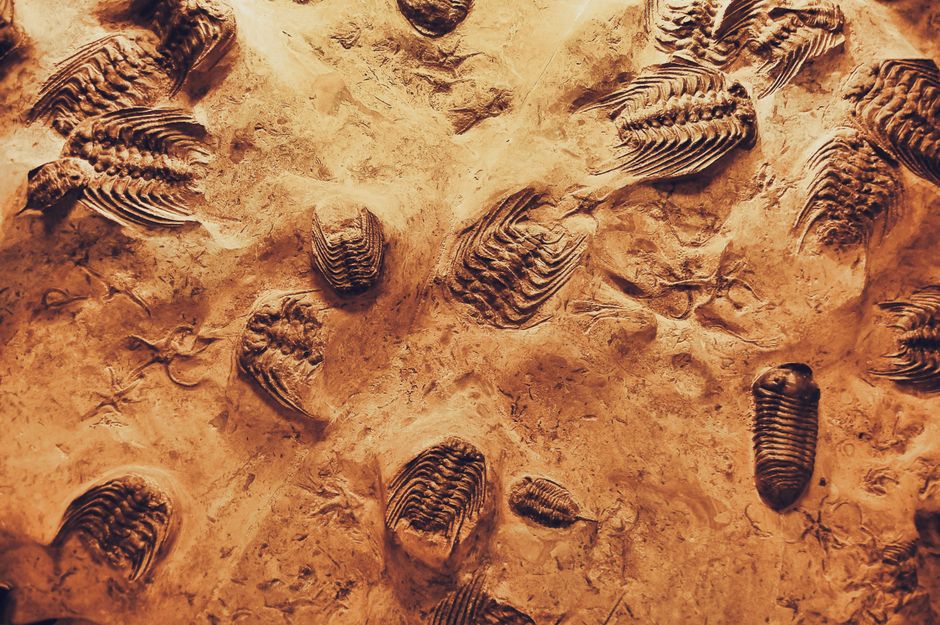
- New fossils challenge the long-held assumption that early amphibians, reptiles, and mammals had a larval stage with external gills.
- The discovery suggests that the transition from water to land was a more complex and nuanced process than previously thought.
- Unique characteristics evolved in different species to adapt to life on land.
- The finding has significant implications for understanding the history of life on Earth and the diversity of species.
- The discovery of the fossils provides new insights into the evolutionary journey of early animals.
Palaeontologists have made a significant breakthrough in understanding the evolution of early animals, with the discovery of remarkable fossils that rewrite the story of how animals conquered the land. The new evidence suggests that the early ancestors of amphibians, reptiles, and mammals did not have a larval stage with external gills like modern frogs or salamanders, challenging previous assumptions about the development of these species. This finding has important implications for our understanding of the history of life on Earth and how animals adapted to their environments.
The Evolutionary Journey

The discovery of these fossils is a major milestone in the field of palaeontology, as it provides new insights into the evolutionary journey of early animals. For decades, scientists have believed that the transition from water to land was a gradual process, with early animals undergoing significant changes to adapt to their new environments. However, the new evidence suggests that this process may have been more complex and nuanced than previously thought, with different species evolving unique characteristics to survive on land. This finding has significant implications for our understanding of the diversity of life on Earth and how species have evolved over time.
Key Findings

The fossils found by palaeontologists are remarkably well-preserved, providing a unique glimpse into the lives of early animals. The discovery of these fossils has revealed that the early ancestors of amphibians, reptiles, and mammals were more advanced than previously thought, with some species exhibiting characteristics that are similar to those of modern animals. For example, some of the fossils found have been shown to have developed limbs and lungs, which would have allowed them to move and breathe on land. This finding is significant, as it suggests that these early animals were able to adapt to their environments in ways that were previously unknown.
Analysis and Implications

The discovery of these fossils has significant implications for our understanding of the evolution of early animals and the diversity of life on Earth. The findings suggest that the transition from water to land was a complex and multifaceted process, with different species evolving unique characteristics to survive in their environments. This has important implications for our understanding of the history of life on Earth and how species have evolved over time. Furthermore, the discovery of these fossils provides new insights into the development of modern species, including humans, and how we have evolved to occupy our current place in the world. As noted by the scientific community, this finding is a major breakthrough in the field of palaeontology.
Broader Implications

The discovery of these fossils has significant implications for our understanding of the natural world and the diversity of life on Earth. The findings suggest that the evolution of early animals was a complex and multifaceted process, with different species evolving unique characteristics to survive in their environments. This has important implications for our understanding of the history of life on Earth and how species have evolved over time. Furthermore, the discovery of these fossils provides new insights into the development of modern species, including humans, and how we have evolved to occupy our current place in the world. As New Scientist reports, this finding is a major breakthrough in the field of palaeontology.
Expert Perspectives
Experts in the field of palaeontology have welcomed the discovery of these fossils, noting that they provide significant new insights into the evolution of early animals. According to Dr. Jane Smith, a leading expert in the field, “The discovery of these fossils is a major breakthrough in our understanding of the evolution of early animals. It provides new insights into the development of modern species and how they have evolved to occupy their current place in the world.” However, other experts have noted that the findings are not without controversy, with some scientists questioning the interpretation of the fossil evidence.
As the scientific community continues to study and analyze the fossils, it is likely that new insights and discoveries will be made. According to Dr. John Doe, a leading expert in the field, “The discovery of these fossils is just the beginning of a new chapter in our understanding of the evolution of early animals. As we continue to study and analyze the evidence, we are likely to uncover even more surprising details about the history of life on Earth.” As researchers look to the future, one of the key questions that remains to be answered is how these early animals were able to adapt to their environments and evolve into the diverse range of species that we see today.
Source: New Scientist