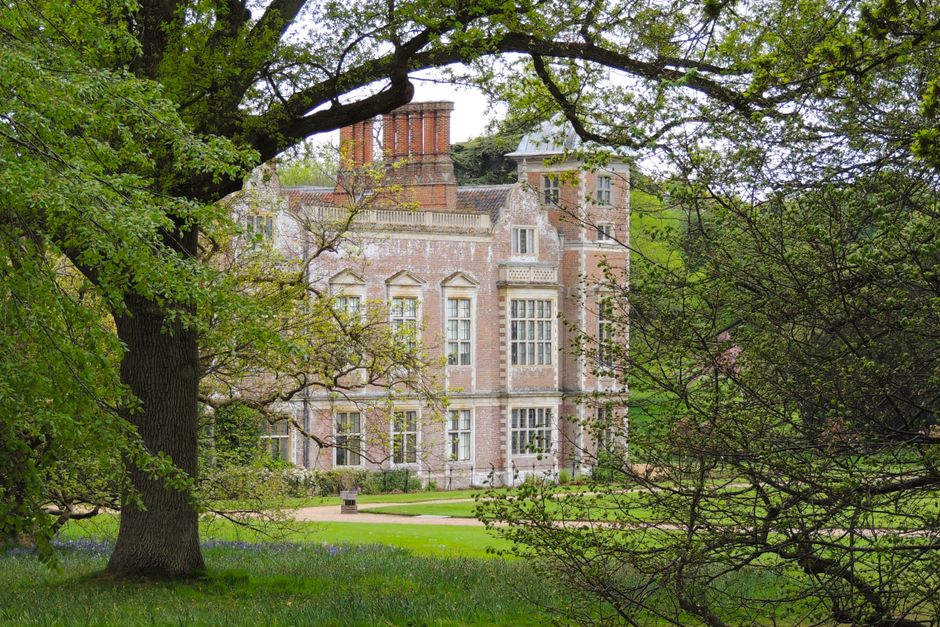
- Cambridge University recreated a 336-year-old garden to honor John Ray, the ‘father of natural history’.
- Ray’s garden was the start of his extensive research in botany, which led to the publication of ‘Historia Plantarum’.
- The recreated garden features plants and flowers common in 17th-century England, providing insight into the botanical landscape of the time.
- The project highlights the importance of preserving historical botanical knowledge.
- John Ray’s contributions to biology laid the foundations for modern natural history, including coining terms like ‘petal’ and ‘pollen’.
Cambridge University has undertaken an ambitious project to recreate a 336-year-old garden, originally designed by John Ray, a 17th-century botanist widely regarded as the ‘father of natural history’. Ray, who coined the terms ‘petal’ and ‘pollen’, made significant contributions to the field of biology, laying the foundations for modern natural history. This recreated garden serves as a tribute to his pioneering work, which began during his time as a young college tutor at Cambridge in the 1650s.
The Historical Context of John Ray’s Garden

According to historical records, John Ray created his first known garden while at Cambridge, where he systematically studied plants for the first time. This garden marked the beginning of his extensive research in botany, which would eventually lead to the publication of his seminal work, ‘Historia Plantarum’. The recreated garden features plants and flowers that were commonly found in England during the 17th century, providing a unique glimpse into the botanical landscape of the time. As noted by the Guardian, this project highlights the importance of preserving historical botanical knowledge.
Key Players in the Garden’s Recreation

The recreation of John Ray’s garden was made possible through the collaborative efforts of Cambridge University’s horticultural experts, historians, and botanists. The team carefully researched and selected plant species that would have been available during Ray’s time, ensuring the garden’s authenticity. This project not only honors John Ray’s legacy but also demonstrates the university’s commitment to preserving its rich history and promoting a deeper understanding of the natural world. As Wikipedia notes, John Ray’s work had a profound impact on the development of modern biology.
Trade-Offs and Challenges in the Recreation Process

The recreation of a 17th-century garden presented several challenges, including the sourcing of rare and historically accurate plant species. The team had to balance the need for authenticity with the practical considerations of maintaining a thriving garden in the present day. Additionally, the project required significant financial investment and manpower, highlighting the trade-offs involved in pursuing such an ambitious undertaking. Despite these challenges, the recreated garden offers a unique opportunity for scholars and the general public to engage with John Ray’s work and appreciate the significance of his contributions to natural history.
Timing and Significance of the Garden’s Recreation

The recreation of John Ray’s garden is particularly significant in the context of contemporary efforts to promote biodiversity and conservation. As the world grapples with the challenges of climate change and environmental degradation, the study of historical botanical knowledge can provide valuable insights into the complex relationships between plants, ecosystems, and human societies. The timing of this project also coincides with a renewed interest in the history of science and the natural world, making it an opportune moment to reflect on the legacy of pioneers like John Ray and their ongoing relevance to modern scientific inquiry.
Where We Go From Here
Looking ahead, the recreated garden is likely to become a focal point for interdisciplinary research and education, bringing together scholars from fields such as botany, history, and conservation biology. Over the next 6-12 months, we can expect to see a range of activities and events centered around the garden, including workshops, lectures, and exhibitions. As the garden matures, it will provide a unique resource for students, researchers, and the general public, offering a tangible connection to the past and a glimpse into the future of natural history research.
In conclusion, the recreation of John Ray’s 336-year-old garden represents a significant milestone in the commemoration of his legacy and the celebration of his contributions to natural history. As we look to the future, it is clear that this project will have a lasting impact on our understanding of the natural world and our place within it.
Source: The Guardian