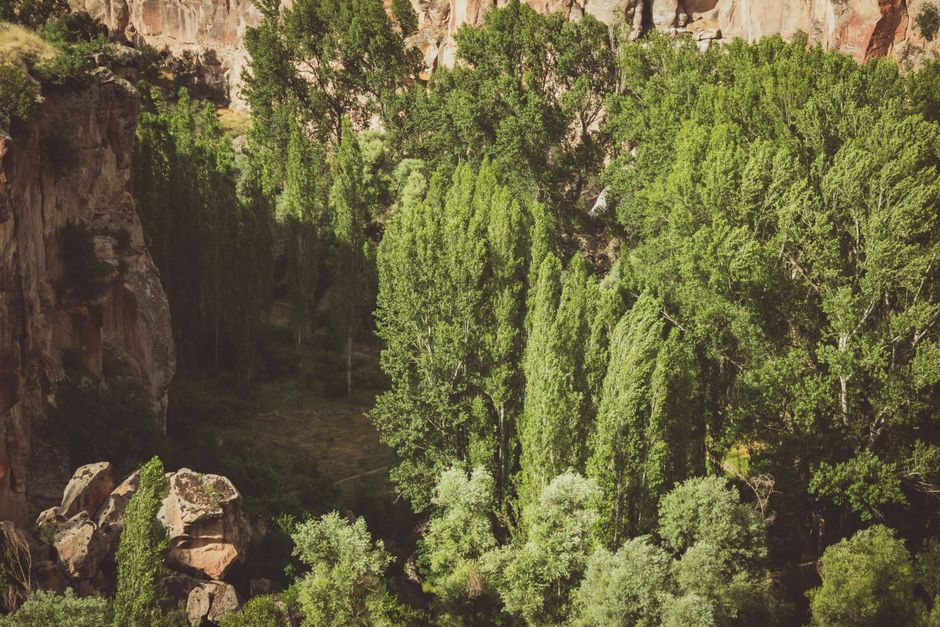
- A revival project aims to conserve and protect the endangered black poplar tree in the UK and Ireland.
- Conservation efforts involve planting thousands of new black poplar trees and studying the species’ habitat and behavior.
- Local communities and landowners are being engaged to raise awareness about conservation and encourage participation.
- The black poplar tree population has dwindled to around 7,000 trees, prompting concerns about its survival.
- A network of conservationists and researchers is working together to protect the species.
The black poplar tree, a native species in the UK and Ireland, has seen its population dwindle to around 7,000 trees, prompting concerns about its survival. However, a revival project is underway to conserve and protect this endangered species. The project aims to plant more black poplar trees and raise awareness about the importance of conservation. With the help of conservationists and researchers, the black poplar tree may yet thrive again in its native habitat.
Current Conservation Efforts

Conservation efforts are currently focused on planting more black poplar trees in the UK and Ireland. This involves collecting seeds from existing trees, cultivating them in nurseries, and then planting them in suitable locations. Additionally, researchers are studying the black poplar tree’s habitat and behavior to better understand its needs and how to protect it. The project also involves collaborating with local communities and landowners to raise awareness about the importance of conservation and to encourage their participation in the effort. Key facts about the project include the goal of planting thousands of new black poplar trees over the next few years and the establishment of a network of conservationists and researchers working together to protect the species.
A History of Decline

The decline of the black poplar tree population in the UK and Ireland is a result of a combination of factors, including habitat loss, disease, and human activities such as deforestation and urbanization. Historically, the black poplar tree was a common sight in the UK and Ireland, with large populations found along rivers and in wetlands. However, over the centuries, the species has faced numerous threats, including the loss of its natural habitat due to the drainage of wetlands and the construction of dams and other infrastructure projects. The introduction of diseases such as canker and the reduction of genetic diversity have also contributed to the decline of the black poplar tree population.
The People Behind the Project

The revival project for the black poplar tree is being led by a team of conservationists and researchers from organizations such as the BBC and the UK’s Woodland Trust. These individuals are motivated by a desire to protect and conserve the natural world and to preserve the black poplar tree for future generations. They are working tirelessly to raise awareness about the importance of conservation and to involve local communities in the effort to save the species. The team is also collaborating with local landowners and farmers to identify suitable locations for planting new black poplar trees and to develop sustainable management practices that will help to protect the species.
Consequences of Success or Failure

The success or failure of the revival project for the black poplar tree will have significant consequences for the species and its habitat. If the project is successful, it could help to ensure the long-term survival of the black poplar tree and the preservation of its natural habitat. This, in turn, could have benefits for other species that depend on the black poplar tree, such as birds and insects. On the other hand, if the project fails, the black poplar tree could become extinct, leading to a loss of biodiversity and ecosystem function. The consequences of failure would also be felt by local communities, who could lose a valuable part of their natural heritage.
The Bigger Picture
The decline of the black poplar tree population is part of a broader pattern of biodiversity loss and ecosystem degradation that is affecting many species and habitats around the world. The revival project for the black poplar tree is an important reminder of the need to protect and conserve the natural world and to take action to address the causes of biodiversity loss. By working together to save the black poplar tree, we can also help to protect other species and habitats and to preserve the natural world for future generations. As noted by the Woodland Trust, conservation efforts like this one are crucial for maintaining healthy ecosystems and promoting biodiversity.
The revival project for the black poplar tree is an ongoing effort that will require continued support and involvement from conservationists, researchers, and local communities. As the project moves forward, it will be important to monitor its progress and to make adjustments as needed to ensure its success. With time and effort, it is possible to save the black poplar tree and to preserve its natural habitat for future generations. The project’s success will depend on the continued collaboration and commitment of all parties involved, and its outcome will have significant implications for the future of conservation and biodiversity in the UK and Ireland.
Source: BBC