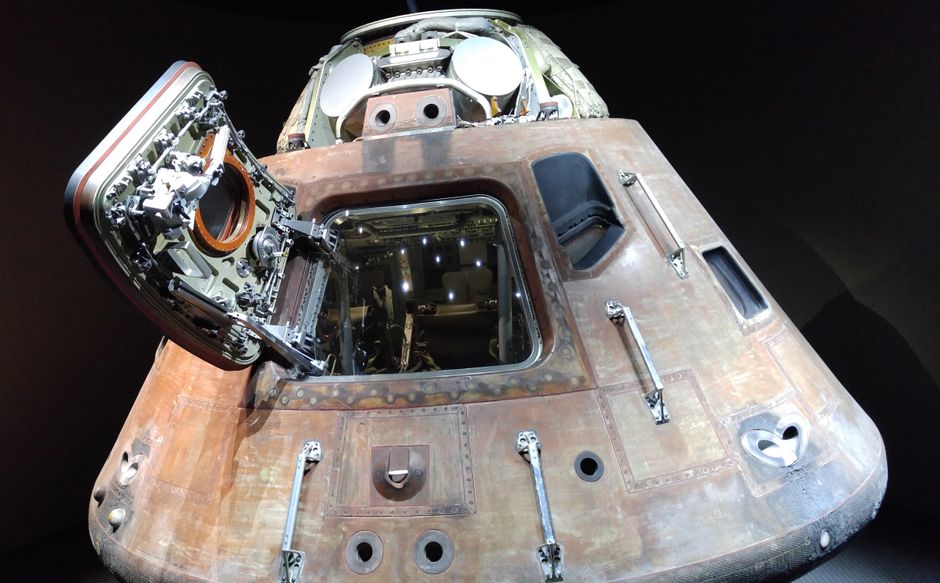
- Apollo 9 paved the way for future lunar missions with its testing of lunar lander systems and command and service modules.
- The 1969 mission demonstrated the feasibility of lunar lander systems and paved the way for future spacewalks.
- NASA’s Artemis III mission draws upon the knowledge and expertise gained from Apollo 9.
- Apollo 9’s focus on testing and evaluation allowed NASA to refine its systems and procedures.
- The Artemis III mission aims to establish a sustainable presence on the lunar surface, with plans to send the first woman and the first person of color to the Moon.
NASA’s upcoming Artemis III mission is drawing attention to a largely forgotten predecessor, Apollo 9, which circled the Earth for 10 days in 1969, conducting crucial tests with the lunar lander. This unsung hero of space exploration may have lacked the glory of other missions, but its technological contributions have had a lasting impact. As NASA prepares to return humans to the lunar surface, the lessons learned from Apollo 9 are more relevant than ever.
Current Mission Objectives

The Artemis III mission aims to establish a sustainable presence on the lunar surface, with plans to send the first woman and the first person of color to the Moon. While the mission’s objectives are ambitious, they are built upon the foundation laid by Apollo 9. The 1969 mission demonstrated the feasibility of lunar lander systems, tested the capabilities of the command and service module, and paved the way for future spacewalks. As NASA works towards its Artemis III goals, the agency is drawing upon the knowledge and expertise gained from Apollo 9.
Historical Context: The Apollo Program

The Apollo program was a pivotal moment in space exploration, marked by a series of daring missions that pushed the boundaries of human knowledge and achievement. Apollo 9, though often overlooked, played a critical role in the program’s success. The mission’s focus on testing and evaluation allowed NASA to refine its systems and procedures, ultimately contributing to the triumph of the Apollo 11 moon landing. By examining the historical context of the Apollo program, it becomes clear that Apollo 9 was a vital stepping stone in the pursuit of lunar exploration.
Key Players: The Apollo 9 Crew

The Apollo 9 crew, consisting of James McDivitt, David Scott, and Russell Schweickart, were instrumental in the mission’s success. Their bravery, skill, and dedication to the mission’s objectives helped to overcome numerous challenges and achieve the desired outcomes. As NASA moves forward with Artemis III, the agency is honoring the legacy of the Apollo 9 crew and the countless individuals who contributed to the mission’s success. The experiences and insights gained by the Apollo 9 crew are being applied to the development of the Artemis III mission, ensuring that the lessons of the past inform the achievements of the future.
Consequences: A Lasting Legacy

The impact of Apollo 9 can be seen in the many missions that have followed, including the upcoming Artemis III. The technological advancements and procedural refinements developed during the Apollo 9 mission have had a lasting legacy, influencing the course of space exploration and inspiring new generations of scientists, engineers, and astronauts. As NASA continues to push the boundaries of space travel, the contributions of Apollo 9 serve as a reminder of the importance of perseverance, innovation, and collaboration in achieving greatness.
The Bigger Picture
The story of Apollo 9 and its connection to Artemis III serves as a powerful reminder of the importance of space exploration and the need for continued investment in scientific research and development. By examining the historical context and technological contributions of Apollo 9, we can gain a deeper understanding of the complex challenges and opportunities that lie ahead. As NASA and other space agencies work towards a sustainable presence in space, the lessons learned from Apollo 9 will remain a vital component of the ongoing pursuit of knowledge and discovery.
As the Artemis III mission approaches, it is essential to recognize the significance of Apollo 9 and the enduring impact of its technological contributions. By honoring the legacy of this forgotten mission, we can appreciate the progress that has been made and look forward to the exciting developments that the future of space exploration holds. With its rich history and lasting legacy, the story of Apollo 9 serves as a powerful inspiration for the next generation of space enthusiasts and a reminder of the incredible achievements that can be accomplished through determination, innovation, and collaboration.
Source: The New York Times