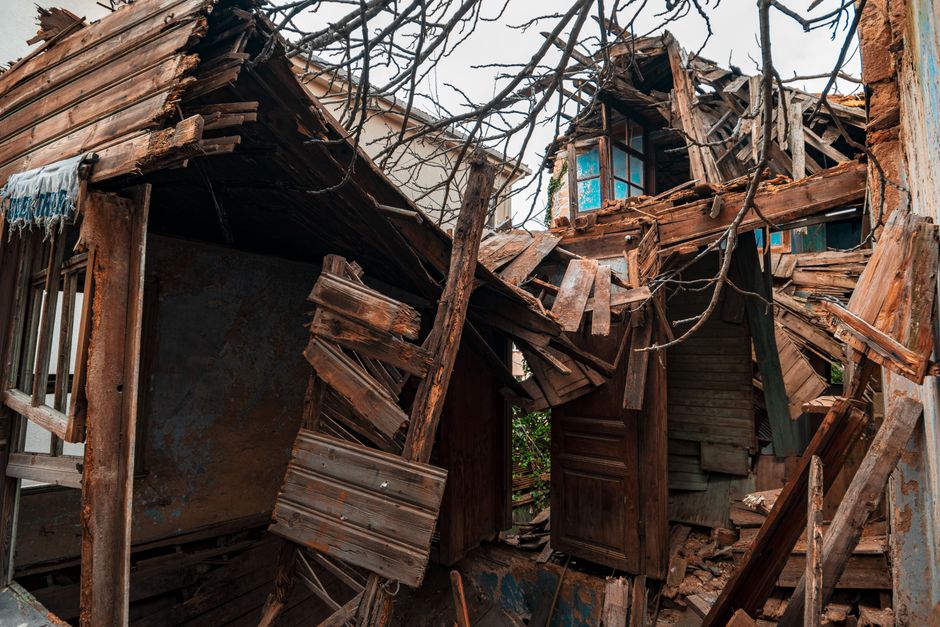
- A 7.2-magnitude earthquake, the strongest in 50 years, recently struck the Philippines, causing widespread destruction and casualties.
- The epicenter was in a densely populated area, exacerbating the impact and hindering initial rescue operations due to collapsed buildings.
- Power outages and disrupted communication networks are significantly complicating rescue efforts and preventing timely information flow.
- The Philippines’ location within the Pacific Ring of Fire makes it highly susceptible to earthquakes and volcanic activity.
- Rescue teams, including the military and emergency responders, are working diligently to locate and extract survivors from the rubble.
A powerful earthquake struck the Philippines, leaving many feared trapped under the rubble, and families are racing against time to recover their loved ones. The 7.2-magnitude earthquake, the most powerful to hit the country in 50 years, has caused widespread destruction and chaos. As rescue efforts continue, the death toll is expected to rise, and families are anxiously waiting for news about their missing relatives. The earthquake’s impact is a stark reminder of the country’s vulnerability to natural disasters, and the need for urgent rescue efforts.
What Happened and Where

The earthquake struck the Philippines on June 9, 2026, with its epicenter located in a densely populated area. The quake caused widespread destruction, with buildings collapsing, and power lines snapped. The affected areas are experiencing power outages, and communication networks are disrupted, making it challenging for rescue teams to reach the trapped survivors. The Philippines is located in the Pacific Ring of Fire, making it prone to earthquakes and volcanic eruptions. According to reports, the earthquake was felt in several parts of the country, with the most significant damage reported in the central region.
Supporting Evidence and Rescue Efforts

Rescue teams, including the Philippine military and emergency responders, are working tirelessly to reach the trapped survivors. The teams are using heavy machinery and specialized equipment to lift debris and search for survivors. The Philippine government has declared a state of calamity, and international aid is pouring in to support the rescue efforts. World Health Organization officials are also on the ground, providing medical assistance and support to the affected communities. As the rescue efforts continue, there are reports of survivors being pulled out from the rubble, giving hope to the families of the missing.
Counter-Perspectives and Challenges

While the rescue efforts are underway, there are concerns about the challenges faced by the responders. The rugged terrain, lack of access to remote areas, and limited resources are hindering the rescue efforts. Some experts are also warning about the risk of aftershocks, which could further complicate the rescue operations. Additionally, there are concerns about the long-term impact of the earthquake on the affected communities, including the potential for disease outbreaks and psychological trauma. Despite these challenges, the rescue teams remain committed to their mission, and the international community is rallying behind the Philippine people.
Real-World Impact and Consequences

The earthquake’s impact is being felt across the country, with thousands of people left homeless and without access to basic necessities like food, water, and shelter. The economic impact is also significant, with estimates suggesting that the earthquake could cost the country millions of dollars in damages and lost revenue. The international community is responding to the crisis, with countries like the United States, Japan, and Australia offering aid and support. As the situation continues to unfold, it is clear that the road to recovery will be long and challenging, but with the support of the international community, the Philippine people can rebuild and recover.
What This Means For You
The earthquake in the Philippines is a stark reminder of the importance of disaster preparedness and response. As the world becomes increasingly interconnected, it is essential to be aware of the risks and challenges faced by communities around the world. By supporting international aid efforts and staying informed about global events, individuals can make a difference in the lives of those affected by disasters like the Philippine earthquake. The situation in the Philippines also highlights the need for sustained support and attention, even after the initial crisis has passed.
As the people of the Philippines begin the long process of recovery and rebuilding, there are many questions about what the future holds. How will the country recover from this devastating earthquake, and what support will be needed in the months and years to come? What can be done to prevent similar disasters in the future, and how can individuals and communities around the world contribute to these efforts? These are just a few of the questions that will be explored in the coming days and weeks, as the world continues to watch and support the people of the Philippines.
Source: The New York Times