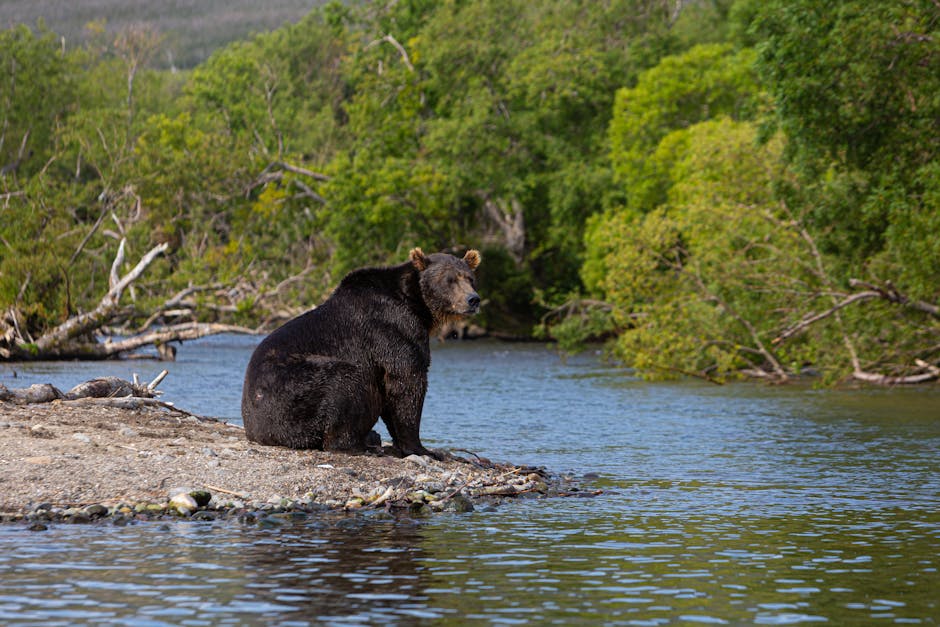
- A black bear roamed a Japanese city for days, prompting school closures and a widespread search operation.
- Japanese authorities successfully captured the bear, bringing an end to the public safety concern and relief to residents.
- The incident highlights growing concerns about wildlife encroachment into urban environments globally.
- Wildlife experts are examining the city’s management strategies to prevent future bear encounters and ensure safety.
- Authorities’ swift response minimized potential harm to both humans and the captured bear during the search.
A wild black bear has been captured in a Japanese city after a multi-day hunt that brought the community to a standstill, with nearly 100 schools closed as a precautionary measure. The bear, which had been roaming the streets for several days, was finally apprehended by Japanese authorities, bringing an end to the intense search operation. The incident has raised concerns about the increasing presence of wild animals in urban areas and the need for effective measures to mitigate such situations. The city’s residents can now breathe a sigh of relief as the bear is safely in captivity.
The Great Bear Hunt

The capture of the wild black bear is a significant development, not just for the city’s residents but also for wildlife experts who have been monitoring the situation closely. The fact that the bear was able to roam the streets for several days without being detected has raised questions about the city’s wildlife management strategies and the need for more effective measures to prevent such incidents in the future. The Japanese authorities have been praised for their swift and efficient response to the situation, which helped to minimize the risk of harm to both humans and the bear. As the city returns to normal, residents are reflecting on the experience and the importance of coexisting with wildlife.
Key Details of the Hunt

The multi-day hunt for the wild black bear was a complex operation that involved the coordination of local authorities, wildlife experts, and law enforcement agencies. The bear was first spotted in the city several days ago, and since then, a team of experts had been tracking its movements, trying to locate it and capture it safely. The search operation was hindered by the bear’s ability to evade capture, and the fact that it was able to move freely through the city’s streets, causing widespread disruption to daily life. The capture of the bear has brought an end to the search operation, and the city can now begin to return to normal.
Analysis of the Incident

The incident has sparked a wider debate about the relationship between humans and wildlife in urban areas. As cities continue to expand and encroach on natural habitats, the likelihood of encounters between humans and wild animals increases. The capture of the wild black bear in Japan highlights the need for effective measures to mitigate such situations, including the development of strategies for managing wildlife in urban areas and educating the public about how to respond to encounters with wild animals. According to World Wildlife Fund, the conflict between humans and wildlife is a growing concern, and it requires a comprehensive approach to address the root causes of the problem.
Implications of the Incident

The capture of the wild black bear has significant implications for the city’s residents, who were forced to adapt to a new reality as the bear roamed the streets. The incident has also raised concerns about the economic impact of such events, as businesses and schools were forced to close, resulting in significant losses. Furthermore, the incident has highlighted the need for increased awareness and education about wildlife conservation and the importance of preserving natural habitats. As the city moves forward, it is likely that there will be a renewed focus on developing strategies for managing wildlife in urban areas and promoting coexistence between humans and wild animals.
Expert Perspectives
Wildlife experts have welcomed the capture of the wild black bear, but they have also cautioned that the incident is a symptom of a larger problem. According to experts, the increasing presence of wild animals in urban areas is a result of habitat destruction and the expansion of cities into natural areas. BBC News has reported that the conflict between humans and wildlife is a growing concern, and it requires a comprehensive approach to address the root causes of the problem. Experts have called for increased investment in wildlife conservation and the development of strategies for managing wildlife in urban areas.
As the city reflects on the experience of the wild black bear, residents are left wondering what the future holds for wildlife conservation in urban areas. The incident has raised important questions about the relationship between humans and wildlife and the need for effective measures to mitigate conflicts. As the world continues to urbanize, it is likely that such incidents will become more frequent, and it is essential that cities develop strategies for managing wildlife in urban areas and promoting coexistence between humans and wild animals. The capture of the wild black bear is a significant step forward, but it is only the beginning of a longer conversation about the importance of wildlife conservation and the need for sustainable coexistence.
Source: News