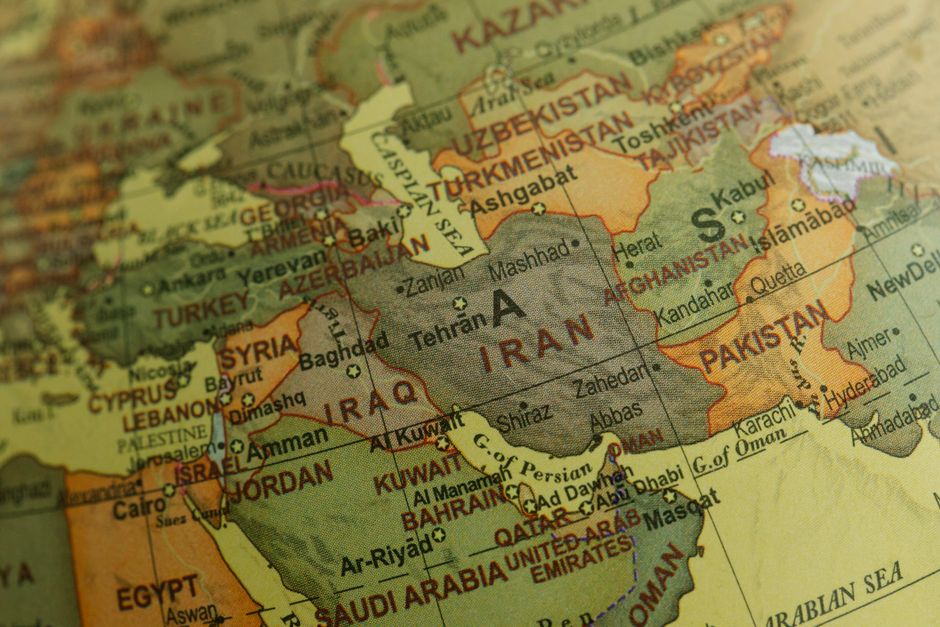
- Gulf Arab nations condemned recent Iranian attacks on Bahrain and Kuwait, escalating regional tensions.
- Advanced missiles and drones were used in the attacks, causing significant damage and casualties.
- Iran has not officially claimed responsibility, but evidence points to Iranian involvement in the attacks.
- The conflict involves Iran, Bahrain, Kuwait, and other Gulf Arab nations, with concerns over regional stability.
- Iran’s nuclear program and support for militant groups add to the tensions in the Gulf region.
Gulf Arab nations have strongly condemned the recent Iranian attacks on Bahrain and Kuwait, citing a significant escalation of tensions in the region. The attacks, which occurred on June 10, 2026, have been widely denounced by countries including Saudi Arabia, the United Arab Emirates, and Oman. The incident has sparked concerns about the stability of the region and the potential for further conflict.
Evidence of Iranian Aggression

According to reports from The New York Times, the Iranian attacks on Bahrain and Kuwait were carried out using advanced missiles and drones. The attacks resulted in significant damage to infrastructure and loss of life, with several civilians and military personnel injured or killed. The Iranian government has not officially claimed responsibility for the attacks, but officials in the region have pointed to evidence suggesting Iranian involvement.
Key Players in the Conflict

The conflict involves several key players, including Iran, Bahrain, Kuwait, and other Gulf Arab nations. Iran has long been a source of tension in the region, with its nuclear program and support for militant groups sparking concern among its neighbors. Bahrain and Kuwait, both small but strategically important countries, have been targeted by Iran in the past, with the Iranian government seeking to expand its influence in the region. Saudi Arabia and the United Arab Emirates, both major players in the region, have been vocal in their condemnation of Iranian aggression.
Trade-Offs and Consequences

The conflict has significant trade-offs and consequences for the region. On one hand, a strong response from Gulf Arab nations could deter future Iranian aggression and protect regional stability. On the other hand, an escalation of tensions could lead to further conflict, potentially drawing in other countries and sparking a wider war. The economic consequences of such a conflict could be severe, with the region’s oil exports and trade disrupted. Additionally, the humanitarian consequences of a prolonged conflict could be devastating, with civilians caught in the crossfire and displaced from their homes.
Timing and Motivations

The timing of the Iranian attacks on Bahrain and Kuwait is significant, coming as it does amidst rising tensions between Iran and the United States. The Iranian government has been seeking to expand its influence in the region, and the attacks may be an attempt to demonstrate its military capabilities and deter its enemies. The attacks may also be a response to the recent US military buildup in the region, which has been seen as a threat by the Iranian government. Whatever the motivations, the attacks have sparked a significant escalation of tensions in the region, and the consequences could be far-reaching.
Where We Go From Here
Looking ahead, there are several possible scenarios for the next 6-12 months. One possible scenario is a continued escalation of tensions, with Iran and Gulf Arab nations engaging in a cycle of retaliation and counter-retaliation. Another possible scenario is a diplomatic effort to resolve the conflict, with the United States and other international powers seeking to broker a peace agreement. A third possible scenario is a shift in the regional balance of power, with Iran seeking to expand its influence at the expense of its neighbors. Whatever the outcome, one thing is clear: the conflict between Iran and Gulf Arab nations has significant implications for regional stability and global security.
In conclusion, the Gulf Arab nations’ condemnation of Iranian attacks on Bahrain and Kuwait marks a significant escalation of tensions in the region. With the potential for further conflict and the consequences of such a conflict severe, the international community must take a strong stance against Iranian aggression and work towards a diplomatic resolution to the conflict.
Source: The New York Times