Why the Iran-Israel Conflict Matters

Why the Iran-Israel Conflict Matters - VirentaNews

💡 Key Takeaways
  • Recent attacks between Israel and Iran have subsided, but the underlying tensions and potential for escalation remain a significant concern.
  • Hezbollah, a militia backed by Iran, is a key player in the conflict, complicating efforts towards a broader regional peace.
  • The exchange of attacks has heightened fears regarding civilian casualties and the stability of the region.
  • International pressure is mounting for both Israel and Iran to exercise restraint and pursue diplomatic solutions to the ongoing conflict.
  • A long-standing conflict between Israel and Hezbollah, fueled by territorial disputes and ideological differences, continues to destabilize the region.
VirentaNews Analysis
Why it matters

The recent exchanges between Israel and Hezbollah, supported by Iran, highlight a persistent source of regional instability. Escalation risks drawing in other actors and further destabilizing an already tense environment. A wider conflict could have significant humanitarian consequences and impact global energy markets, underscoring the importance of diplomatic efforts and de-escalation strategies.

Context

The conflict between Israel and Hezbollah isn't new; it represents a long-standing, recurring pattern of violence rooted in territorial disputes and differing ideologies. Hezbollah’s relationship with Iran adds a crucial dimension, as Iranian support empowers the militia and complicates the dynamics. Understanding this history is important to grasp the present fragility and potential for renewed clashes.

What to watch

Monitor international diplomatic efforts, particularly any emerging ceasefire agreements or mediation attempts, as they represent the best hope for stability. Observe the actions of regional powers like the United States and Russia, whose involvement could either de-escalate or further inflame tensions. Vigilance regarding troop movements and public statements from both sides is also crucial.

Israel and Iran have pulled back from the brink of further escalation after a fierce exchange of attacks, according to reports from the region. The conflict between Israel and Hezbollah, an Iranian-backed militia, has been complicating efforts to end the war in the region. The latest round of fighting has raised concerns about the potential for a wider conflict. The fragile calm has been restored, but tensions remain high.

Immediate Aftermath

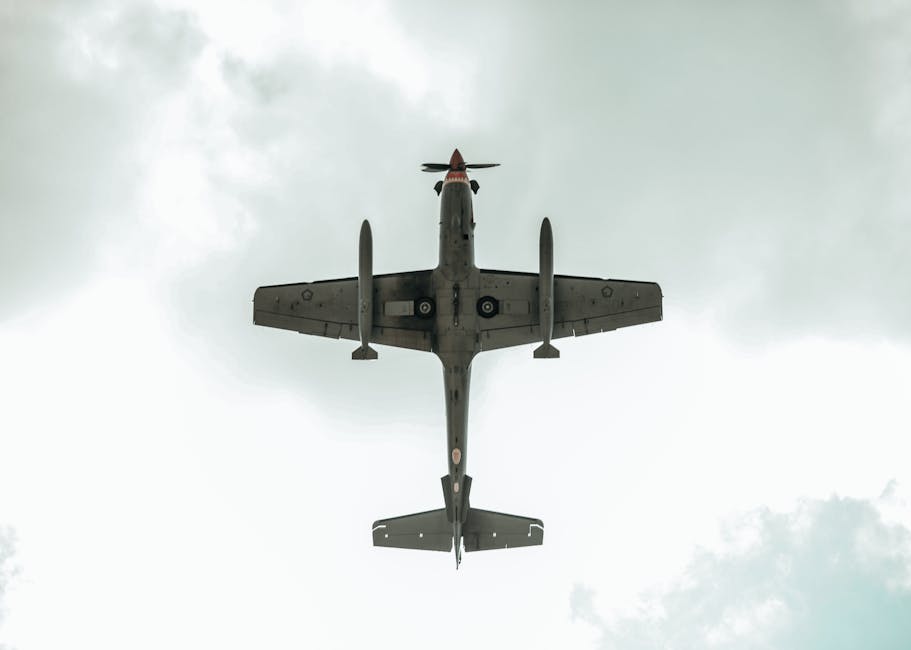
Aerial perspective of a plane flying overhead with clouds in the background.

The immediate impact of the conflict has been significant, with both sides suffering losses. The exchange of attacks has also raised concerns about the potential for civilian casualties. The international community has been calling for restraint and a return to diplomatic efforts to resolve the conflict. The situation remains volatile, with both sides warning of further action if necessary.

Background and Context

Stunning view of ancient temple ruins in Cambodia, showcasing historic architecture and the beauty of Angkor Wat.

The conflict between Israel and Hezbollah has been ongoing for years, with periodic outbreaks of violence. The Iranian-backed militia has been a major player in the region, and its actions have been a source of tension with Israel. The latest round of fighting has been fueled by a range of factors, including territorial disputes and ideological differences. The conflict has also been complicated by the involvement of other regional players, including the United States and Russia.

What to Watch

Rustic rooftops with satellite dishes in Fes, set against a rolling hill landscape.

As the situation continues to unfold, there are several key developments to watch. The international community will be closely monitoring the situation, with a focus on preventing further escalation. Diplomatic efforts will be underway to try to resolve the conflict, with reports of a potential ceasefire emerging. The actions of regional players, including the United States and Russia, will also be closely watched, as they have a significant impact on the conflict.

❓ Frequently Asked Questions
Why is the conflict between Israel and Iran concerning?
The conflict poses a risk of wider regional escalation, potentially drawing in other nations like the United States and Russia, and leading to greater instability and humanitarian crises due to possible civilian casualties and prolonged violence.
What role does Hezbollah play in the Israel-Iran conflict?
Hezbollah, an Iranian-backed militia, is a major actor in the conflict, frequently engaging in clashes with Israel and complicating peace negotiations, as it acts as a proxy force for Iran’s interests in the region.
What are the main causes of the ongoing conflict between Israel and Hezbollah?
The conflict is rooted in long-standing territorial disputes, fundamental ideological differences, and power struggles in the region. Iran’s support for Hezbollah further fuels tensions and complicates efforts to achieve a lasting resolution.

Source: The New York Times


Sponsored
VirentaNews may earn a commission from qualifying purchases via eBay Partner Network.

Discover more from VirentaNews

Subscribe now to keep reading and get access to the full archive.

Continue reading