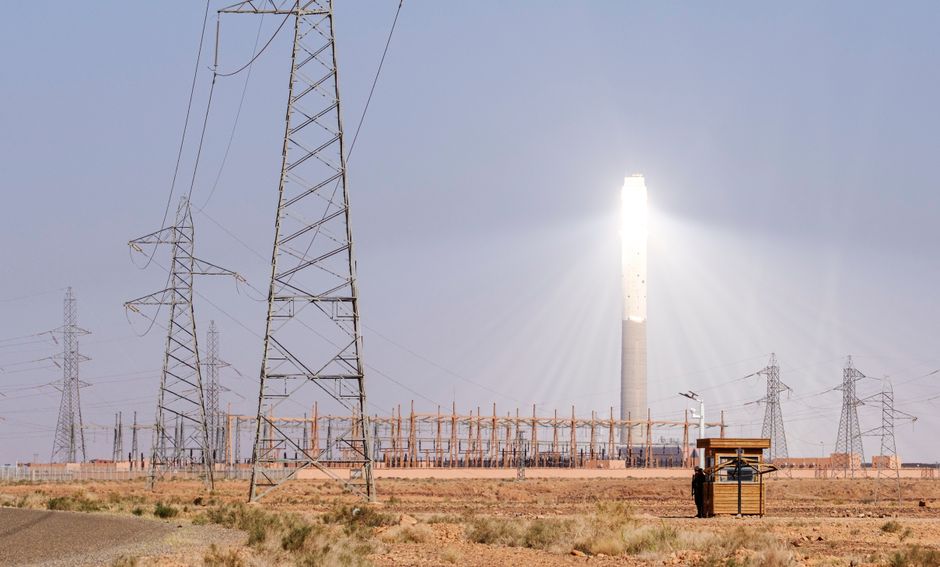
- The European Union is investing €5 billion in African renewable energy projects to power its electric revolution.
- This investment aims to reduce Europe’s reliance on fossil fuels and promote sustainable energy by 2050.
- Africa’s vast solar resources and proximity to Europe make it an ideal partner for the EU’s energy ambitions.
- The €5 billion investment will create new economic opportunities and jobs in the renewable energy sector.
- Undersea cables will connect African solar and wind farms to the European grid for energy import.
The European Union is set to invest €5 billion in renewable energy projects in North Africa and the Middle East, aiming to harness African sunlight to power Europe’s electric revolution. This significant investment will help reduce Europe’s reliance on fossil fuels and promote sustainable energy. The move is expected to have a substantial impact on the region’s energy landscape, with the EU seeking to import renewable energy from Africa to meet its growing energy demands.
Background and Context

This development is crucial for Europe’s energy transition, as the continent seeks to become carbon neutral by 2050. The EU’s renewable energy targets are ambitious, and investing in African renewables is a strategic move to achieve these goals. Africa’s vast solar resources and proximity to Europe make it an ideal partner for the EU’s energy ambitions. The investment will not only help Europe reduce its carbon footprint but also create new economic opportunities and jobs in the renewable energy sector.
Key Details and Players

The €5 billion investment will be allocated to various renewable energy projects in North Africa and the Middle East, including solar and wind farms. The EU will work closely with African countries to develop these projects, which will be connected to the European grid through undersea cables. This will enable the EU to import renewable energy from Africa, reducing its reliance on fossil fuels and promoting energy security. The investment is expected to create new opportunities for African countries to develop their renewable energy sectors and increase their energy exports to Europe.
Analysis and Implications

The EU’s investment in African renewables is a significant step towards achieving its energy transition goals. By harnessing African sunlight, the EU can reduce its carbon footprint and promote sustainable energy. The investment will also have a positive impact on the African economy, creating new jobs and opportunities in the renewable energy sector. However, there are also challenges associated with this investment, including the need for significant infrastructure development and the potential for energy dependence on Africa. According to a report by the International Energy Agency, Africa has the potential to become a major player in the global renewable energy market.
Regional Implications

The EU’s investment in African renewables will have significant implications for the region’s energy landscape. African countries will have the opportunity to develop their renewable energy sectors, creating new economic opportunities and jobs. The investment will also promote energy security and reduce the region’s reliance on fossil fuels. However, there are also concerns about the potential for energy dependence on Africa and the need for significant infrastructure development. The Reuters reports that the EU’s investment in African renewables is a strategic move to achieve its energy transition goals.
Expert Perspectives
Experts believe that the EU’s investment in African renewables is a significant step towards achieving its energy transition goals. According to Dr. Fatih Birol, Executive Director of the International Energy Agency, “Africa has the potential to become a major player in the global renewable energy market.” However, others have raised concerns about the potential for energy dependence on Africa and the need for significant infrastructure development. As noted by the New York Times, the EU’s investment in African renewables is a complex issue that requires careful consideration of the potential implications.
Looking ahead, the EU’s investment in African renewables is expected to have a significant impact on the region’s energy landscape. As the EU continues to invest in renewable energy projects in Africa, it is essential to monitor the development of these projects and their potential implications for the region’s energy security. The EU’s energy transition goals are ambitious, and investing in African renewables is a strategic move to achieve these goals. As the BBC reports, the EU’s investment in African renewables is a significant step towards a more sustainable energy future.
Source: Reddit