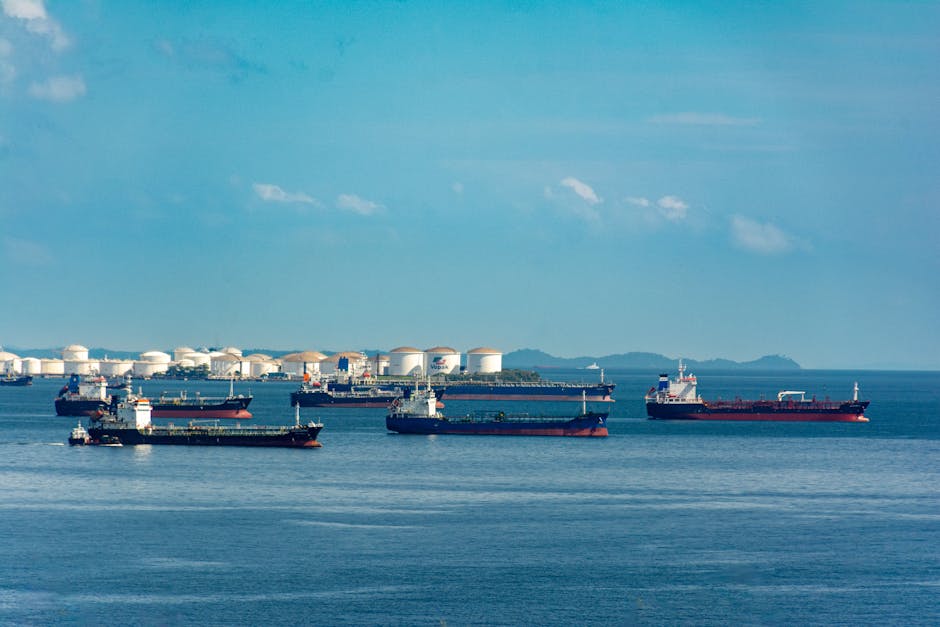
- The Strait of Hormuz, a critical waterway, is expected to remain closed until the end of the year due to geopolitical tensions.
- The prolonged closure affects the transportation of oil and other essential goods, impacting global trade.
- Traders initially predicted a 60% chance of the Strait reopening before August, but now believe it may remain closed until 2027.
- The Strait of Hormuz is a vital shipping lane that connects the Persian Gulf to the Gulf of Oman, facilitating 20% of the world’s oil supply.
- The closure has resulted in significant trade disruptions, with ships taking alternative routes and incurring additional costs and time.
The Strait of Hormuz, a critical waterway for international trade, is expected to remain closed until the end of the year, according to traders. This closure has significant implications for global trade, as it affects the transportation of oil and other essential goods. The prolonged closure is attributed to ongoing geopolitical tensions in the region, which have led to a decline in trader confidence. Just two weeks ago, traders predicted a 60% chance of the Strait reopening before August, but now they believe it is more likely to remain closed until 2027.
Understanding the Strait of Hormuz Closure

The Strait of Hormuz is a vital shipping lane that connects the Persian Gulf to the Gulf of Oman, facilitating the transport of approximately 20% of the world’s oil supply. The current closure has resulted in significant trade disruptions, with many ships being forced to take alternative routes, incurring additional costs and time. Traders are now reassessing their predictions, citing increased uncertainty and instability in the region. The shift in trader sentiment is a clear indication of the prolonged impact of the closure on global trade.
Evidence of Prolonged Closure

According to a report by the CNBC, traders are becoming increasingly pessimistic about the Strait’s reopening. The report cites a significant decline in trader confidence, with many now believing that the closure will persist until next year. This assessment is supported by data from shipping companies and trade analysts, who point to the ongoing geopolitical tensions as the primary cause of the delay. The Reuters also reports that oil prices have been affected by the closure, with a notable increase in recent weeks.
Counter-Perspectives and Challenges

Some experts argue that the prolonged closure of the Strait of Hormuz may have a silver lining, as it could accelerate the development of alternative shipping routes and infrastructure. However, this perspective is not universally accepted, and many traders and analysts remain concerned about the short-term implications of the closure. Others point to the potential for diplomatic efforts to resolve the underlying issues, which could lead to a faster reopening of the Strait. Despite these alternative views, the majority of traders and experts agree that the closure will have a significant and lasting impact on global trade.
Real-World Impact of the Closure

The closure of the Strait of Hormuz has far-reaching consequences for the global economy. The increased costs and delays associated with alternative shipping routes will be felt by consumers and businesses alike. The rise in oil prices, for example, will have a direct impact on the cost of goods and services, potentially leading to higher inflation. Furthermore, the closure will also affect the livelihoods of people working in the shipping and trade industries, as well as the economies of countries that rely heavily on the Strait for their exports.
What This Means For You
The prolonged closure of the Strait of Hormuz serves as a reminder of the complexities and uncertainties of global trade. As a consumer, it is essential to be aware of the potential impacts on the prices and availability of goods. Businesses, on the other hand, should be prepared to adapt to the changing trade landscape and explore alternative shipping routes and strategies. By understanding the causes and consequences of the closure, individuals and organizations can better navigate the challenges and opportunities that arise from this critical event.
As the situation continues to unfold, it is crucial to monitor developments and assess the potential long-term effects of the Strait’s closure. Will the prolonged closure lead to a permanent shift in global trade patterns, or will diplomatic efforts succeed in reopening the Strait? The answer to this question will have significant implications for the future of international trade and the global economy, making it an essential topic to watch in the coming months.
Source: CNBC