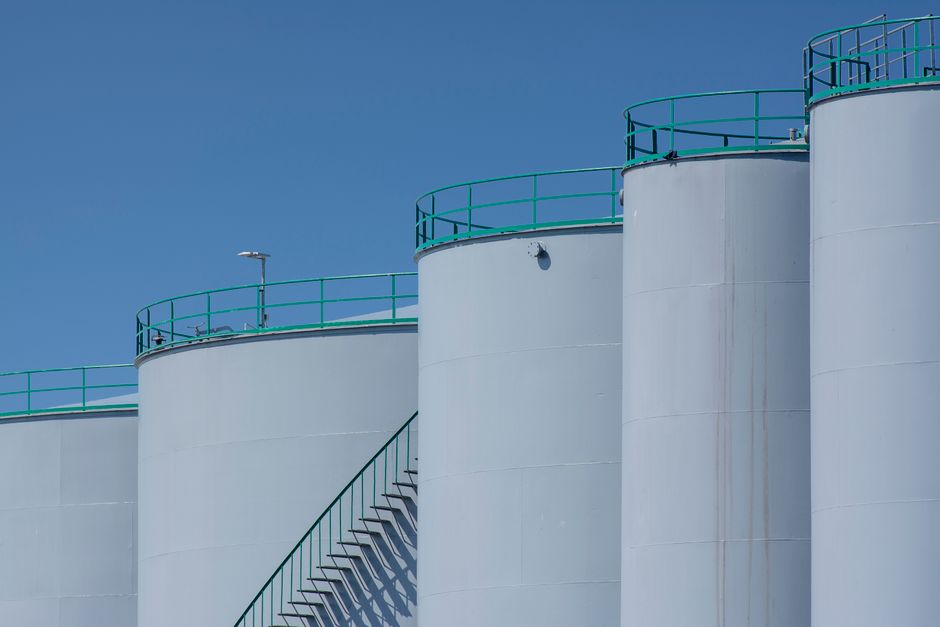
- The US Strategic Petroleum Reserve (SPR) is depleting at an alarming rate, reaching its lowest level since the Reagan administration.
- The Trump Administration released 66 million barrels from the SPR to stabilize the global oil market during the Iran war.
- The SPR’s decline raises concerns about the US energy security and the potential impact on the economy.
- The US Department of Energy considers the SPR a critical component of the US energy infrastructure.
- The depletion of the SPR may have long-term implications for the US energy policy and reliance on the global oil market.
The United States’ emergency oil reserve, also known as the Strategic Petroleum Reserve (SPR), is on the verge of hitting its lowest level since the Reagan administration, sparking concerns about the country’s energy security and the potential impact on the economy. The Trump Administration has drained 66 million barrels from the SPR since the war in Iran began, leaving the reserve with a significantly reduced capacity to respond to future oil disruptions. This depletion of the SPR has significant implications for the US economy and energy market, making it essential for readers to understand the context and potential consequences.
What’s Behind the Decline of the US Oil Reserve?

The decline of the US oil reserve can be attributed to the Trump Administration’s decision to release oil from the SPR to stabilize the global oil market and mitigate the effects of the war in Iran on the US economy. The SPR was established in 1975 to provide a buffer against oil supply disruptions and price shocks, and it has been used in the past to respond to various oil crises. However, the current depletion of the SPR has raised concerns about the long-term sustainability of the US energy policy and the potential risks associated with relying on the global oil market. According to the US Department of Energy, the SPR is a critical component of the US energy infrastructure, and its depletion could have significant implications for the US economy and energy security.
Supporting Evidence and Data

According to a report by the Reuters, the US oil reserve has been depleted by over 20% since the beginning of the year, with the current level standing at around 400 million barrels. This decline is attributed to the increased demand for oil in the global market, coupled with the reduced production levels in some of the major oil-producing countries. The data suggests that the US oil reserve is facing significant pressure, and the current depletion rate is unsustainable in the long term. As noted by the New York Times, the decline of the US oil reserve has significant implications for the US economy, including higher oil prices and increased reliance on foreign oil.
Counter-Perspectives and Skeptics

Some skeptics argue that the decline of the US oil reserve is not a cause for concern, as the US has become a major oil producer in recent years and is less reliant on foreign oil. However, others argue that the depletion of the SPR is a significant risk, as it reduces the US ability to respond to future oil disruptions and price shocks. According to energy experts, the US oil reserve is a critical component of the US energy infrastructure, and its depletion could have significant implications for the US economy and energy security. As noted by the BBC, the decline of the US oil reserve has sparked concerns about the potential risks associated with relying on the global oil market.
Real-World Impact and Consequences

The depletion of the US oil reserve has significant implications for the US economy and energy market. Higher oil prices could lead to increased transportation costs, higher food prices, and reduced economic growth. Additionally, the reduced capacity of the SPR to respond to future oil disruptions could lead to increased volatility in the global oil market, making it challenging for businesses and consumers to plan for the future. As noted by the Associated Press, the decline of the US oil reserve has significant implications for the US economy, including higher oil prices and increased reliance on foreign oil.
What This Means For You
The depletion of the US oil reserve has significant implications for consumers and businesses. Higher oil prices could lead to increased transportation costs, higher food prices, and reduced economic growth. Additionally, the reduced capacity of the SPR to respond to future oil disruptions could lead to increased volatility in the global oil market, making it challenging for businesses and consumers to plan for the future. As a consumer, it is essential to understand the potential risks associated with the depletion of the US oil reserve and to take steps to reduce your reliance on oil, such as using public transportation or carpooling.
As the US oil reserve continues to decline, it is essential to ask what the future holds for the US energy policy and the potential risks associated with relying on the global oil market. Will the US be able to reduce its reliance on foreign oil, or will it continue to face significant challenges in the energy market? The answer to these questions will have significant implications for the US economy and energy security, making it essential to continue monitoring the situation and exploring alternative energy sources.
Source: Fortune